
2026年8月25日
300 series stainless steel grades 304 316 corrosion resistance nonmagnetic and weldable alloy comparison guide
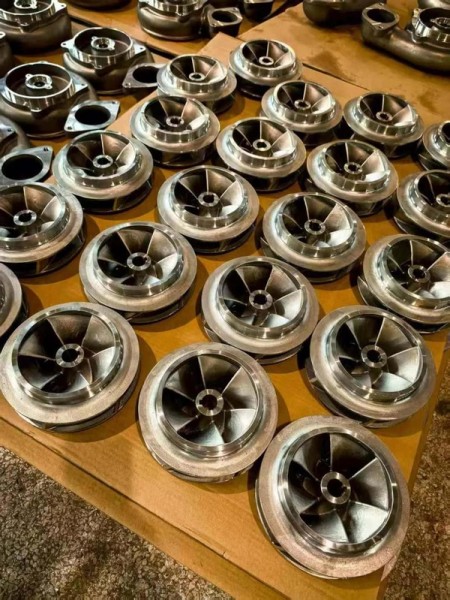
300 Sery Stainless Steel Overview
We manufacture high-performance 300 sery stainless steel components engineered to excel in demanding industrial environments. These austenitic chromium-nickel alloys are defined by their non-magnetic properties in the annealed state, high ductility, and superior corrosion resistance. Our precision casting and fabrication processes ensure every component delivers maximum structural integrity.
Core Material Advantages
- Oxidation & Chemical Resistance: Exceptional defense against atmospheric exposure, harsh chemicals, and corrosive fluids.
- Formability & Weldability: Excellent capability for deep drawing, complex forming, and seamless joining without sacrificing toughness.
- Temperature Stability: Retains high tensile strength and structural performance from cryogenic conditions to elevated heat levels.
Vastpcc Manufacturing Standards
| Parameter | Specification & Capability |
|---|---|
| Material Grade | 300 Series Austenitic Stainless Steel |
| Primary Composition | Chromium-Nickel Alloy |
| Manufacturing Method | Precision Investment Casting & Custom Fabrication |
| Machining Tolerance | Strictly controlled to ≤ 5 µm |
| Quality Management | ISO 9001 Certified System |
Our ISO 9001 certified operations provide rigorous dimensional control and material consistency on every 300 sery stainless steel part we produce.
Technical Data & Chemical Composition Matrix of 300 Sery Stainless Steel
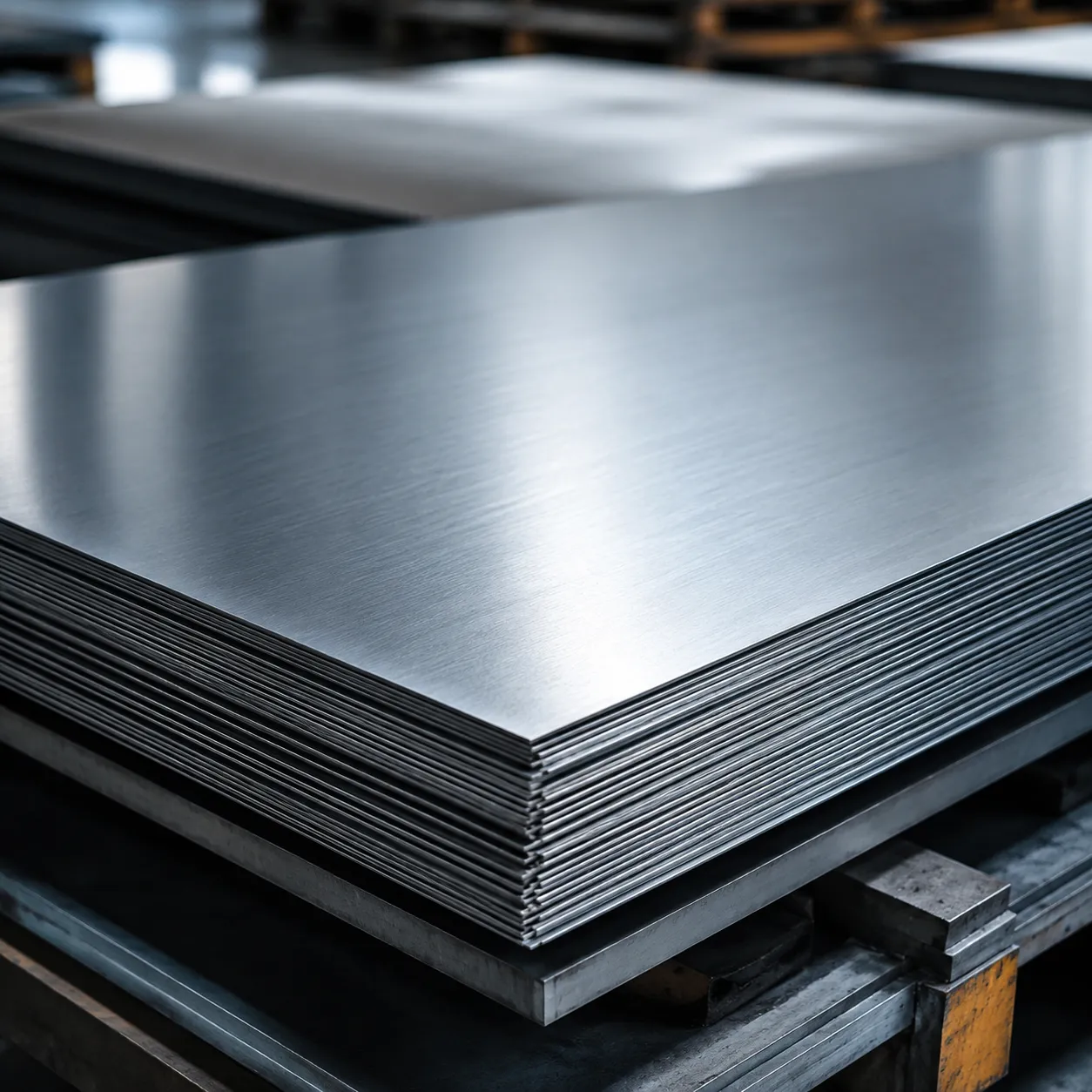
We maintain strict alloy control and precise chemical tolerances across all 300 sery stainless steel melt batches to guarantee consistent metallurgical performance. Reviewing these precise chemical bounds helps in evaluating stainless steel strength grades and comparisons for heavy-duty industrial components.
300 Series Austenitic Stainless Steel Chemical Matrix
| Grade | Chromium (Cr %) | Nickel (Ni %) | Molybdenum (Mo %) | Carbon (C max %) | Additives / Other (wt%) |
|---|---|---|---|---|---|
| 301 | 16.0 – 18.0 | 6.0 – 8.0 | — | 0.15 | N ≤ 0.10 |
| 303 | 17.0 – 19.0 | 8.0 – 10.0 | — | 0.15 | S ≥ 0.15, P ≤ 0.20 |
| 304 | 18.0 – 20.0 | 8.0 – 10.5 | — | 0.08 | Mn ≤ 2.0, Si ≤ 0.75 |
| 304L | 18.0 – 20.0 | 8.0 – 12.0 | — | 0.03 | Mn ≤ 2.0, Si ≤ 0.75 |
| 316 | 16.0 – 18.0 | 10.0 – 14.0 | 2.0 – 3.0 | 0.08 | Mn ≤ 2.0, Si ≤ 0.75 |
| 316L | 16.0 – 18.0 | 10.0 – 14.0 | 2.0 – 3.0 | 0.03 | Mn ≤ 2.0, Si ≤ 0.75 |
| 321 | 17.0 – 19.0 | 9.0 – 12.0 | — | 0.08 | Ti 5x(C+N) min |
| 310 | 24.0 – 26.0 | 19.0 – 22.0 | — | 0.25 | Si ≤ 1.50 |
Mechanical & Physical Properties Chart
| Grade | Tensile Strength (MPa) | Yield Strength (0.2% MPa) | Elongation (%) | Hardness (HRB) | Density (g/cm³) | Thermal Cond. (W/m·K) | Magnetic Permeability (Annealed vs Cold-Worked) |
|---|---|---|---|---|---|---|---|
| 301 | ≥ 620 | ≥ 275 | ≥ 40 | ≤ 95 | 7.88 | 16.2 | 1.02 (Annealed) / High (Cold-Worked) |
| 303 | ≥ 500 | ≥ 190 | ≥ 35 | ≤ 90 | 8.00 | 16.2 | 1.01 (Annealed) / Slight (Cold-Worked) |
| 304 | ≥ 515 | ≥ 205 | ≥ 40 | ≤ 92 | 8.00 | 16.2 | 1.008 (Annealed) / Mild (Cold-Worked) |
| 304L | ≥ 485 | ≥ 170 | ≥ 40 | ≤ 88 | 8.00 | 16.2 | 1.008 (Annealed) / Mild (Cold-Worked) |
| 316 | ≥ 515 | ≥ 205 | ≥ 40 | ≤ 95 | 8.00 | 16.3 | 1.008 (Annealed) / Low (Cold-Worked) |
| 316L | ≥ 485 | ≥ 170 | ≥ 40 | ≤ 90 | 8.00 | 16.3 | 1.008 (Annealed) / Very Low (Cold-Worked) |
| 321 | ≥ 515 | ≥ 205 | ≥ 40 | ≤ 95 | 7.92 | 16.1 | 1.008 (Annealed) / Low (Cold-Worked) |
| 310 | ≥ 515 | ≥ 205 | ≥ 40 | ≤ 95 | 7.98 | 14.2 | 1.008 (Annealed) / Non-Magnetic (Cold-Worked) |
- Alloy Stability: Higher nickel and chromium levels maintain full austenitic stability, limiting magnetic transformation during forming.
- Corrosion Resistance Boost: The addition of 2–3% molybdenum in 316 and 316L increases resistance against severe pitting in chloride environments.
- Carbon Control: Low-carbon variants (304L/316L) keep carbon levels below 0.03% to prevent chromium carbide precipitation during high-temperature welding.
300 Sery Stainless Steel Grade Selection Guide
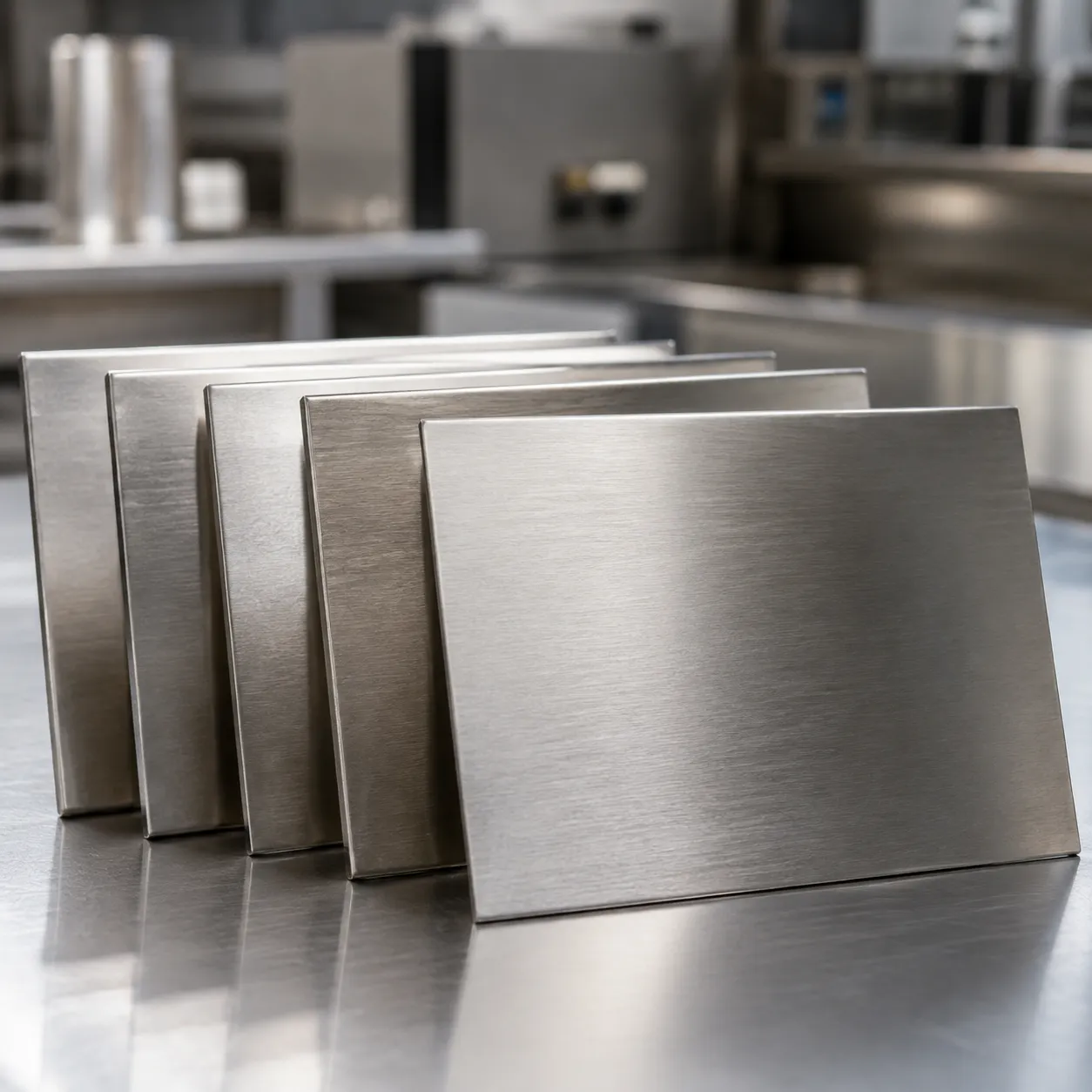
Selecting the right grade within the 300 sery stainless steel family depends on your operating environment, machining needs, and thermal exposure.
| Grade | Key Features | Primary Strengths | Typical Applications |
|---|---|---|---|
| 304 | Standard 18/8 Cr-Ni composition | High ductility, versatile corrosion defense | Processing equipment, structural frames |
| 304L | Ultra-low carbon (≤ 0.03% C) | Prevents carbide precipitation during welding | Heavy-wall welded vessels, storage tanks |
| 316 | 16–18% Cr, 10–14% Ni, 2–3% Mo | Superior resistance to chlorides and pitting | Marine hardware, chemical reactors |
| 316L | Low carbon with Molybdenum | Marine grade optimized for heavy welding | Offshore structures, pharmaceutical piping |
| 303 | Elevated sulfur content | Free-machining, short CNC cycle times | High-volume fasteners, shafts, fittings |
| 321 | Titanium-stabilized alloy | Resists intergranular corrosion under high heat | Aircraft exhausts, high-temp expansion joints |
| 310 | High Ni (19–22%) & Cr (24–26%) | Scaling resistance up to 1150°C | Kilns, furnace components, heat exchangers |
304 vs 316 Stainless Steel
While 304 provides baseline utility across standard industrial environments, grade 316 includes 2–3% molybdenum for enhanced pitting protection in chloride and saltwater environments. To match material properties with your component design, review our cast stainless steel custom casting alloys and grades breakdown.
303 Free-Machining Grade
We supply grade 303 for projects requiring aggressive metal removal and maximum tool life. Its increased sulfur content breaks chips quickly during rapid CNC turning operations. Refer to our precision machining component guide for high-tolerance parts to evaluate speed and tolerance benefits for your production run.
Low-Carbon Variants (304L / 316L)
Standard 300 sery stainless steel grades can undergo chromium carbide precipitation when welded in critical heat ranges (425°C to 860°C). Our low-carbon 304L and 316L variants keep carbon below 0.03%, eliminating sensitization and preserving corrosion performance along heat-affected zones without post-weld heat treatment.
High-Temperature Alloys (310 / 321)
For elevated temperatures, we deploy specialized stabilized and high-alloy formulations: Grade 321: Titanium additions tie up free carbon, maintaining alloy stability during continuous operation between 400°C and 900°C. Grade 310: High nickel and chromium content provide excellent oxidation resistance and structural strength for furnace linings and heat-exchanger tubing running up to 1150°C.
Precision Investment Casting & Custom Fabrication of 300 Sery Stainless Steel
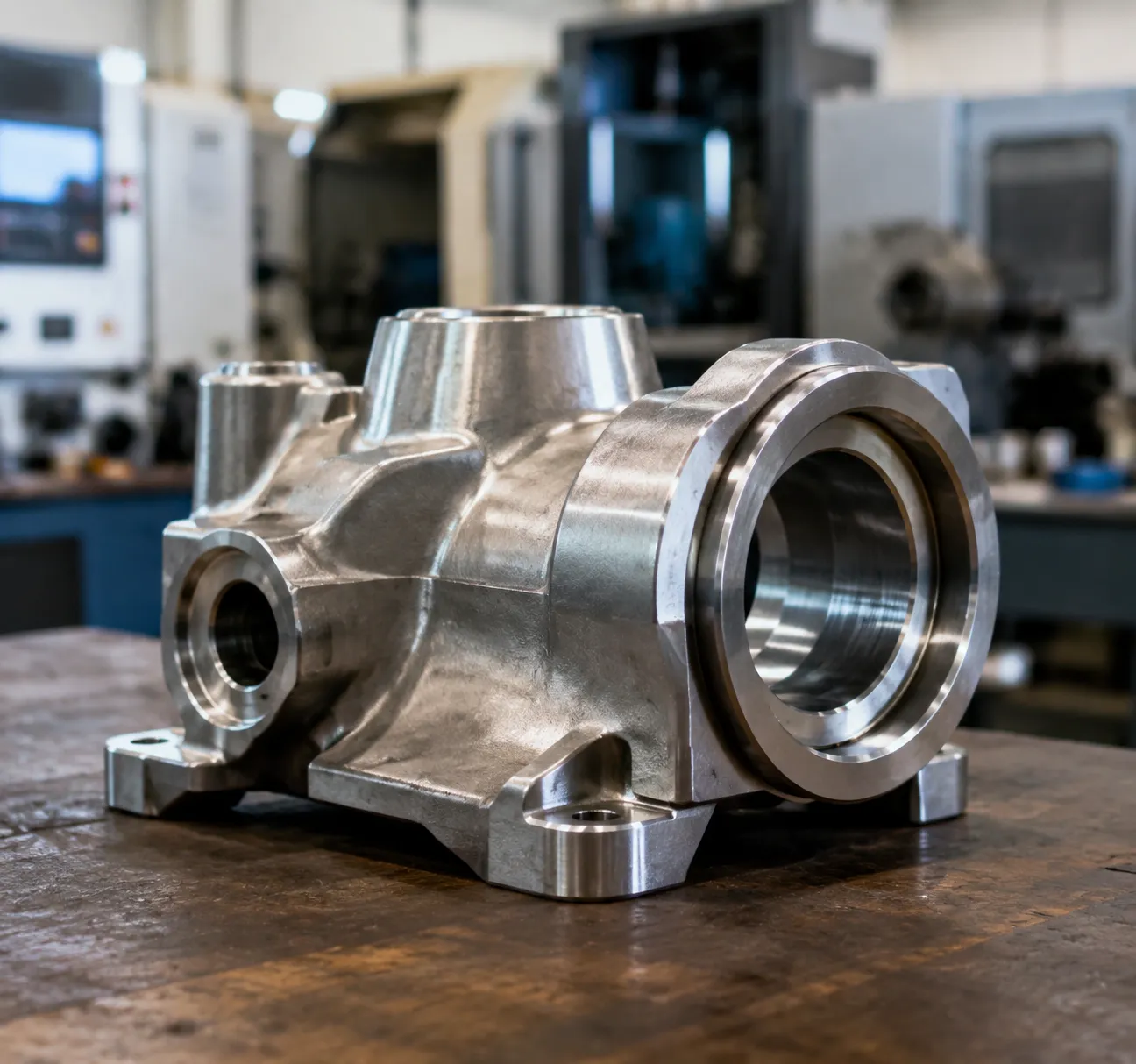
We manufacture high-integrity 300 sery stainless steel components through end-to-end investment casting and precision custom fabrication. Our plant leverages tight process controls to deliver near-net-shape parts engineered for extreme reliability.
Automated Wax Injection & Mold Production
- High-Stability Injection: Our automated wax injection systems eliminate operator variation, ensuring exact dimensional repeatability across high-volume production runs.
- Precision Tooling: We engineer multi-cavity dies that preserve tight tolerances and eliminate micro-defects during wax pattern formation.
- Pattern Integrity: Temperature-controlled rooms prevent thermal expansion or shrinkage, keeping every pattern uniform prior to shelling.
Automated Shell Coating & Dewaxing
- Robotic Dipping: Automated slurry lines apply consistent ceramic shell coatings to complex geometries, maintaining optimal wall thickness.
- High-Pressure Dewaxing: Autoclave systems dewax the ceramic shells rapidly to prevent shell cracking and ensure complete material integrity.
- Utilizing automation in casting process for high-precision investment castings ensures maximum yield and minimal surface defects on demanding alloy pours.
Custom Engineering & Rapid Prototyping
- Prototyping to Volume: We scale smoothly from low-volume custom prototypes to full production without compromising component accuracy.
- Real-Time Monitoring: Integrated Industrial Internet diagnostics monitor melt temperatures, pouring rates, and cooling cycles in real time.
- Fast-Track Validation: Through our precise cast prototypes and engineering workflows, we validate tooling designs early to accelerate your project timeline.
Primary Industrial Applications for 300 Sery Stainless Steel
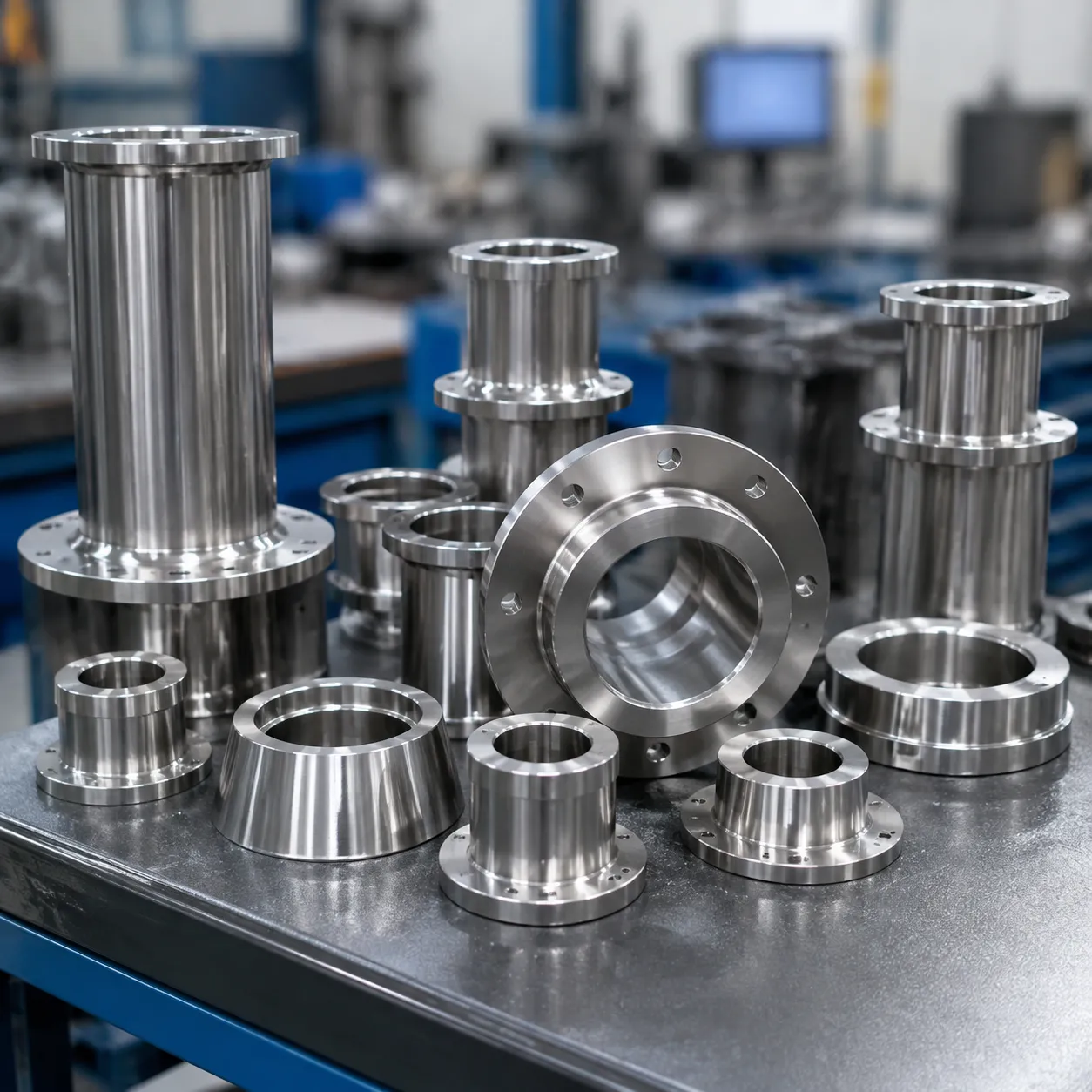
We manufacture custom components across sectors where failure is not an option. Thanks to its non-magnetic properties, corrosion resistance, and high structural strength, 300 sery stainless steel serves as the backbone for demanding industrial environments worldwide. We utilize advanced metal investment casting process tolerances and materials to supply high-precision parts tailored to strict sector specifications.
Aerospace & Defense
- Engine Hardware: Retains structural integrity under rapid thermal cycles.
- Structural Brackets: Delivers high strength-to-weight performance for airframes.
- Cryogenic Fittings: Maintains impact toughness at sub-zero temperatures without brittle transition.
Chemical & Food Processing
- Sanitary Piping & Valves: Prevents batch contamination and withstands aggressive washdowns.
- Pressure Vessels & Vats: Resists organic acids, caustic solutions, and chemical oxidation.
- Mixing Equipment: Handles abrasive slurries without pitting or premature wear.
Marine & Offshore
- Saltwater Pumps & Propellers: Resists severe chloride pitting and galvanic corrosion.
- Marine Hardware: Built for long-term exposure to salt spray and high humidity.
- Underwater Housings: Maintains sealed pressure integrity in deep-sea applications.
Medical & Pharmaceutical
- Surgical Instrumentation: Withstands repeated sterilization cycles and chemical cleaning.
- Process Equipment: Features smooth surface finishes that resist bio-burden buildup.
- Sterilization Components: Maintains strict dimensional stability under high-pressure steam.
Quality Assurance and Testing for 300 Sery Stainless Steel
ISO 9001 Compliance and Full Material Traceability
We enforce ISO 9001 quality management across every production run of 300 sery stainless steel components. Every melt and heat-treatment batch comes backed by comprehensive Mill Test Certificates (MTC) detailing verified chemical compositions and mechanical limits. We maintain 100% material traceability from raw ingot to final machined part, giving you total transparency for critical applications. For more details on verifying performance metrics, consult our casting alloy properties and material selection guide.
Advanced Destructive and Non-Destructive Testing
To ensure zero structural flaws and confirm that our austenitic stainless steel grades meet global B2B industrial standards, we run every casting batch through rigorous verification protocols:
- Spectrographic Chemical Analysis: Confirms exact elemental ratios including chromium, nickel, molybdenum, and carbon limits before pouring.
- Non-Destructive Testing (NDT): Radiographic, ultrasonic, and hydrostatic inspections identify internal shrinkage, subsurface porosity, and pressure boundary integrity.
- Mechanical Property Testing: Precise tensile strength, yield strength (0.2% proof), elongation, and hardness (HRB/HB) evaluations.
- Intergranular Corrosion Resistance: ASTM-standard corrosion testing to verify weldability and resistance to carbide precipitation in aggressive environments.
Sourcing Options & Custom Supply Forms for 300 Sery Stainless Steel
We supply 300 sery stainless steel in a wide variety of raw, semi-finished, and fully finished forms tailored to your exact production requirements. Whether your application requires standard stock sizes or custom-engineered components, we maintain strict material control across every mill run and casting batch.
| Supply Form | Primary Capabilities & Standards | Typical B2B Applications |
|---|---|---|
| Raw Stock | Round bar, flat bar, sheet, heavy plate, and tubing | Stamping, structural frames, and general machining |
| Custom Castings | High-precision near-net shapes via precision investment casting services | Complex valve bodies, pump impellers, and brackets |
| Finished Machined Parts | Micron-level dimensional tolerances via custom CNC precision machining | Threaded fittings, shafts, fasteners, and flanges |
Vastpcc One-Stop Component Manufacturing
We simplify your supply chain by taking your 300 sery stainless steel projects directly from initial concept through full-scale production. Our integrated manufacturing process eliminates vendor friction and ensures complete material traceability:
- Pre-Research & DFM Consultation: Our engineering team reviews your CAD models and specs to optimize part geometry, lower unit costs, and select the ideal alloy composition.
- Tooling & Mold Engineering: We design and build high-precision mold tooling in-house to guarantee tight tolerances and rapid prototyping lead times.
- Scaled Mass Production: Automated casting lines and multi-axis CNC cells deliver consistent, defect-free production runs matching your production schedules.
- End-to-End Technical Support: Full mill test certificates (MTC), specialized surface finishing, non-destructive testing, and logistics coordination come standard with every order.
Request Your Technical Evaluation and Quote
Accelerate your production cycle with precision-engineered 300 sery stainless steel components. Submit your CAD files, material specs, and target lead times today to receive a detailed technical evaluation and custom quote from our engineering team.
300 Sery Stainless Steel FAQs
What makes 300 sery stainless steel non-magnetic in its annealed state?
Our 300 sery stainless steel alloys feature a face-centered cubic (FCC) austenitic crystal structure stabilized by high nickel content. In the fully annealed state, this atomic arrangement eliminates ferro-magnetism. However, severe cold working or mechanical forming can induce a partial martensitic transformation, creating minor magnetic permeability in the material.
How do I choose between 304, 304L, 316, and 316L for custom investment casting?
Selecting the proper grade depends on operating temperatures, chloride exposure, and welding requirements. Before placing an order through our custom cast stainless steel casting services, review these core selection criteria:
| Grade | Key Material Characteristics | Primary Application Scope |
|---|---|---|
| 304 | Standard 18/8 chromium-nickel alloy with high formability | General industrial hardware, food processing vats, sanitary trim |
| 304L | Low carbon ($\le$ 0.03%) variant preventing intergranular corrosion | Heavy-wall welded assemblies, structural pressure components |
| 316 | 2–3% Molybdenum addition for pitting & crevice corrosion resistance | Marine hardware, chemical pumps, saltwater fluid systems |
| 316L | Low carbon + Molybdenum chemistry for heavy welding | Offshore oil & gas, pharmaceutical equipment, marine valves |
For a detailed technical evaluation of corrosion performance, read our guide on understanding the difference between 304 and 316 stainless steel.
Can 300 series austenitic stainless steel be hardened by heat treatment?
No. Unlike 400 series martensitic grades, 300 series austenitic stainless steels cannot be hardened through standard quenching or thermal heat treatment. Hardening is achieved exclusively through cold working (work hardening), such as cold rolling, drawing, or stamping, which increases yield strength while slightly reducing ductility.
What are the standard tolerances and lead times for Vastpcc precision castings?
We maintain strict quality control standards across all production runs to ensure rapid turnaround and accurate component dimensions:
- Dimensional Tolerances: Controlled down to $\le$ 5 µm for high-precision finished surfaces, matching ISO 8062 CT4–CT6 casting standards.
- Prototype Lead Time: 2 to 3 weeks for tooling creation, mold design, and sample testing.
- Mass Production Lead Time: 4 to 6 weeks for full-scale casting and finish machining orders.
 English
  Russian
  German