
2026年11月1日
Explore a complete investment casting equipment list with essential tools machines and features for efficient precision casting production
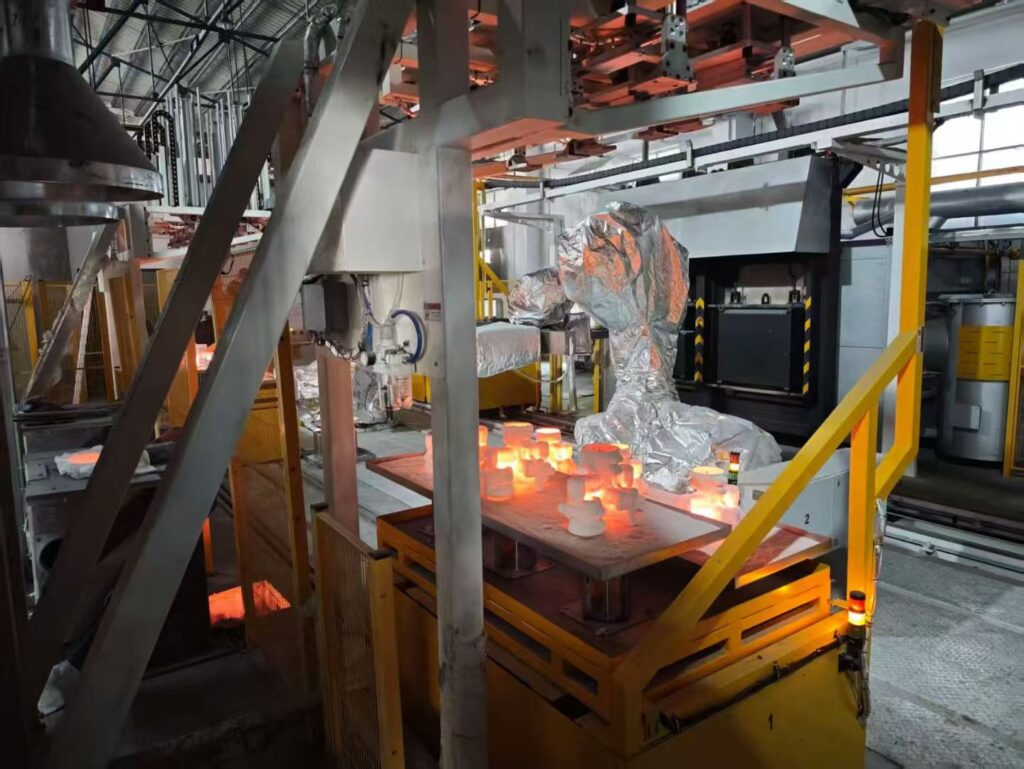
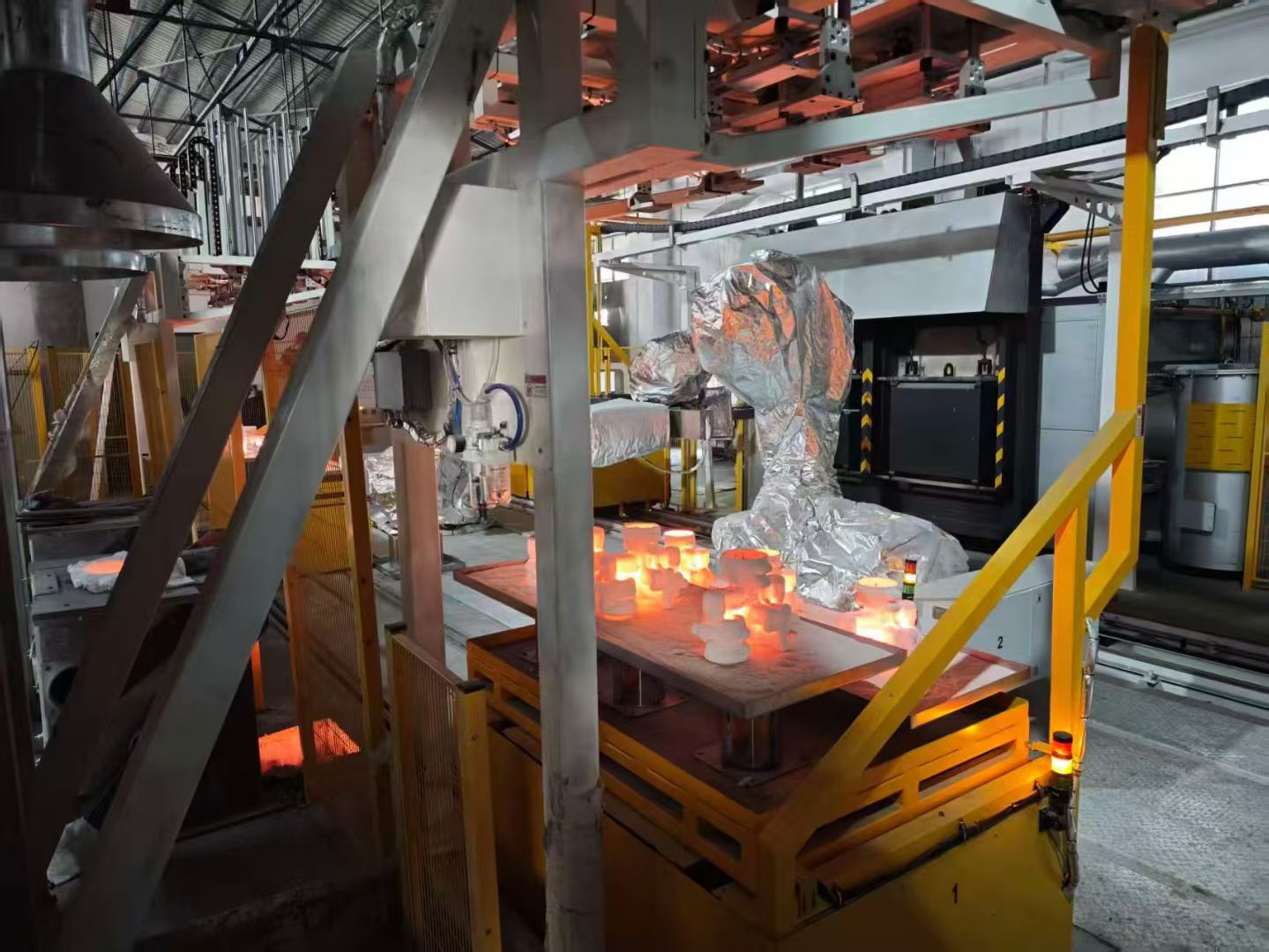
Core Investment Casting Equipment List
Setting up an efficient foundry requires a synchronized flow of machinery, from the initial pattern creation to the final surface treatment. This investment casting equipment list outlines the critical stages necessary to maintain dimensional accuracy, structural integrity, and production reliability in cast components.
Essential Production Stages
- Wax Pattern Preparation & Assembly: High-precision wax injection machines, temperature-controlled conditioning tanks, and pattern assembly stations for runner welding and gating.
- Ceramic Shell Building: Automated or semi-automated dipping systems, slurry mixing tanks with constant agitation, and fluidized bed sanders for precise shell coating.
- Dewaxing & Shell Firing: Industrial-grade, high-pressure steam dewaxing autoclaves and specialized shell burnout furnaces to ensure complete wax removal and ceramic mold hardening.
- Melting & Pouring Lines: Medium-frequency induction melting furnaces and vacuum-compatible pouring systems designed for metallurgical quality and consistent temperature control.
- Post-Casting & Finishing: Pneumatic shell knockout machines, hydraulic cut-off saws, and industrial abrasive shot blasting cabinets to remove residual ceramic and clean metal surfaces.
Selecting the right combination of machinery is fundamental to process stability and minimizing scrap rates. A balanced production line allows foundries to scale output while adhering to the tight tolerances required by the lost-wax process.
Wax Pattern Preparation Systems
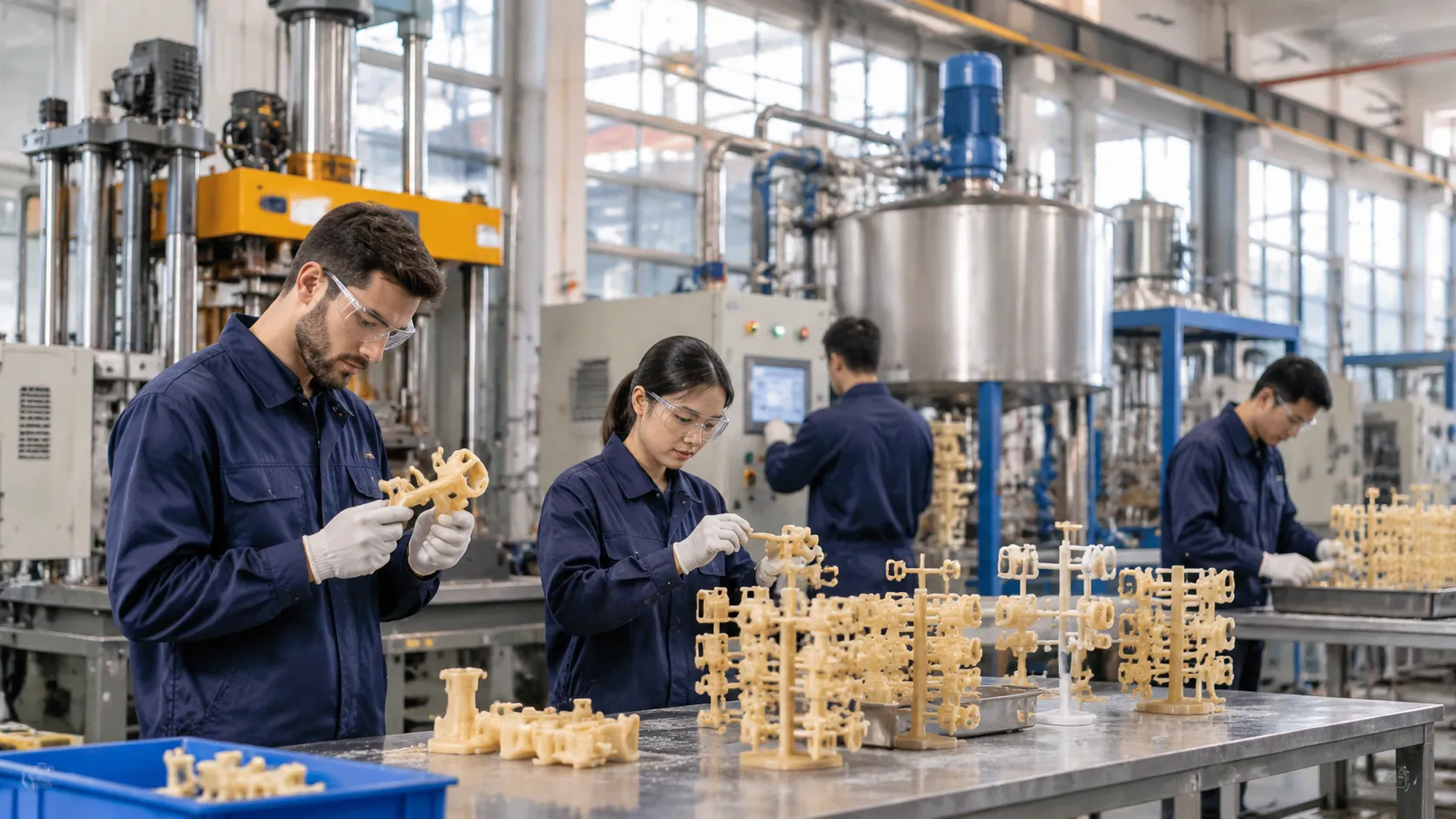
Precision begins at the pattern stage. We understand that the stability of your wax models dictates the final dimensional accuracy of your castings. Investing in reliable industrial wax injection systems and preparation machinery is essential to minimizing downstream rework in any investment casting equipment list.
- High-Precision Hydraulic and Pneumatic Wax Injectors: We prioritize machines that offer consistent injection pressure and temperature control. Whether you are running complex, thin-walled geometries or large blocks, these injectors maintain the repeatability required for high-volume production.
- Temperature-Controlled Wax Conditioning and Melting Tanks: Precise viscosity is non-negotiable. Our conditioning tanks ensure the wax remains at a steady temperature to prevent air bubbles and shrinkage defects during the injection cycle.
- Chilled Water Circuits and Pattern Stabilization Jigs: Distortion is the enemy of precision. We use integrated chilling circuits and customized jigs to lock in dimensions immediately after injection, ensuring every pattern meets strict tolerances.
- Spruing Tools and Runner Assembly Tables: Efficient spruing is where you optimize your metal yield. Our assembly stations are designed to keep the runner systems clean and secure, reducing wax waste and preparing your clusters for the ceramic dipping process.
By integrating robust lost wax process machinery from the start, your team can achieve tighter tolerances and lower scrap rates from day one.
Ceramic Shell Building Machinery
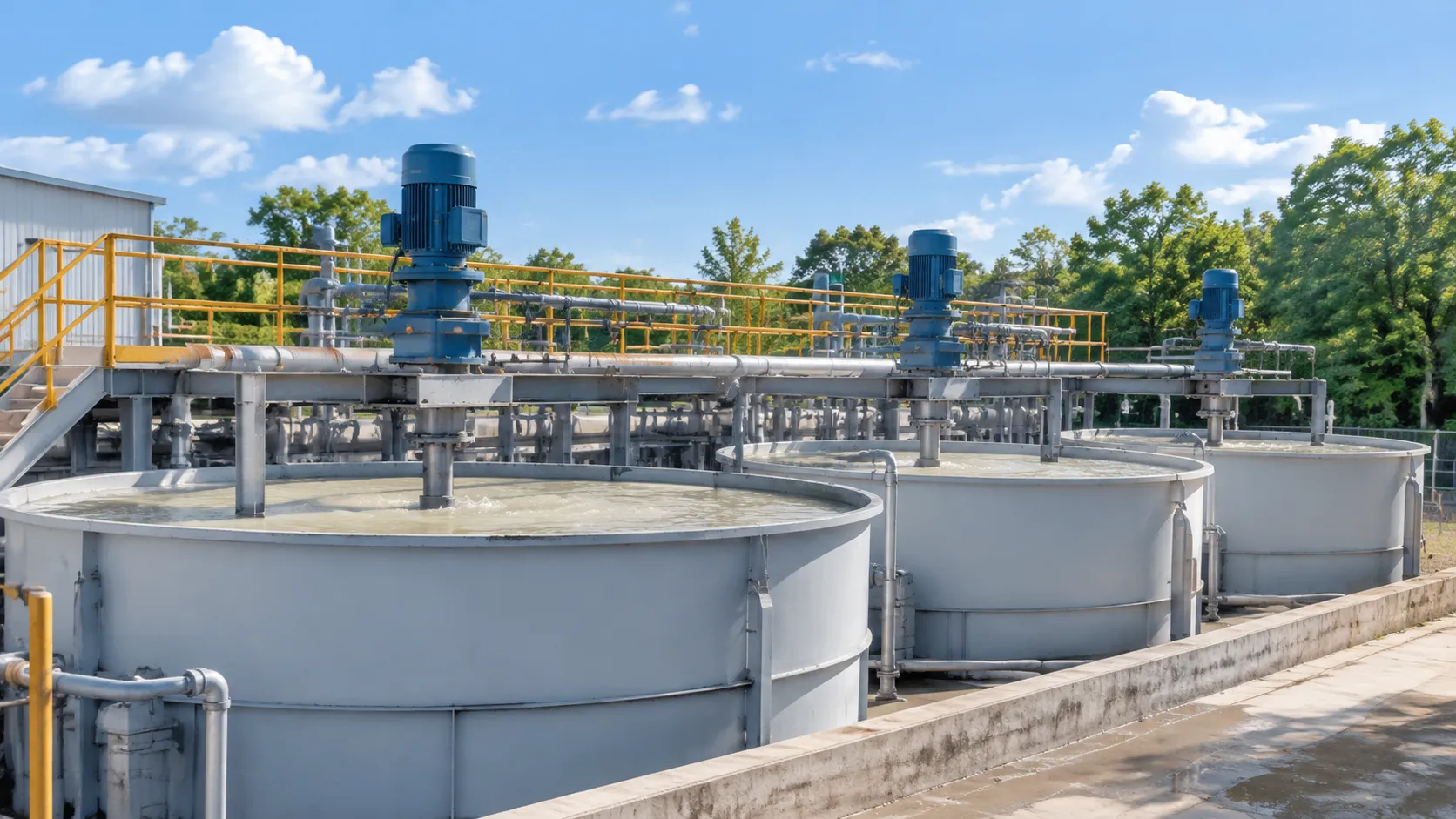
Building a reliable ceramic shell is the most sensitive phase in precision casting. If your slurry falls out of suspension, your drying rate fluctuates, or your sand coverage is uneven, you deal with shell cracking, metal runout, and unacceptable surface finishes.
When evaluating an investment casting equipment list, the shell-building section demands robust mechanical control over viscosity, stuccoing uniformity, and ambient drying. Mastering the ceramic shell investment casting process and benefits starts with eliminating manual inconsistencies across dipping, sanding, and drying cycles.
Continuous Rotation Slurry Mixing and Storage Tanks
Slurry must remain in perpetual motion to stop refractory flour and colloidal silica from settling or stratifying. Low-Shear Blade Design: Keeps primary and backup slurries suspended without introducing air bubbles into the mix. Continuous Drive Rotation: Variable-speed drive drums maintain an even slurry density across multi-shift runs. Viscosity Maintenance: Tanks support integration with viscosity-monitoring cups and temperature control jackets to prevent binder gelation.
Fluidized Sand Beds and Rainfall Sanding Machines
Applying stucco sand requires precise kinetic control to coat patterns without breaking delicate wax assemblies. Rainfall Sanders: Ideal for initial primary coats. They gently shower fine zircon or fused silica onto wet slurry without abrasive impingement or pattern distortion. Fluidized Sand Beds: Best suited for backup coats. Low-pressure compressed air fluidizes coarser refractory grains, ensuring full coverage in deep recesses, blind holes, and complex part geometry. Dust Extraction Ports: Built-in connection points to connect plant dust collectors and keep airborne silica away from the working floor.
Climate-Controlled Drying Rooms and Conveyor Tunnels
Uneven drying causes differential shrinkage and micro-cracking between slurry layers, leading to catastrophic shell failure during dewaxing. Precision Environmental Controls: Automated management of temperature (20°C to 25°C) and relative humidity (40% to 60% depending on the layer). Controlled Air Velocity: Gentle, laminar airflow sweeps moisture off the assemblies without flash-drying the outer surface. Continuous Indexing Conveyors: Multi-tier conveyor loops transport clusters through staged drying tunnels, tracking cycle times per coat automatically.
Automated Robotic Shell Dipping Systems
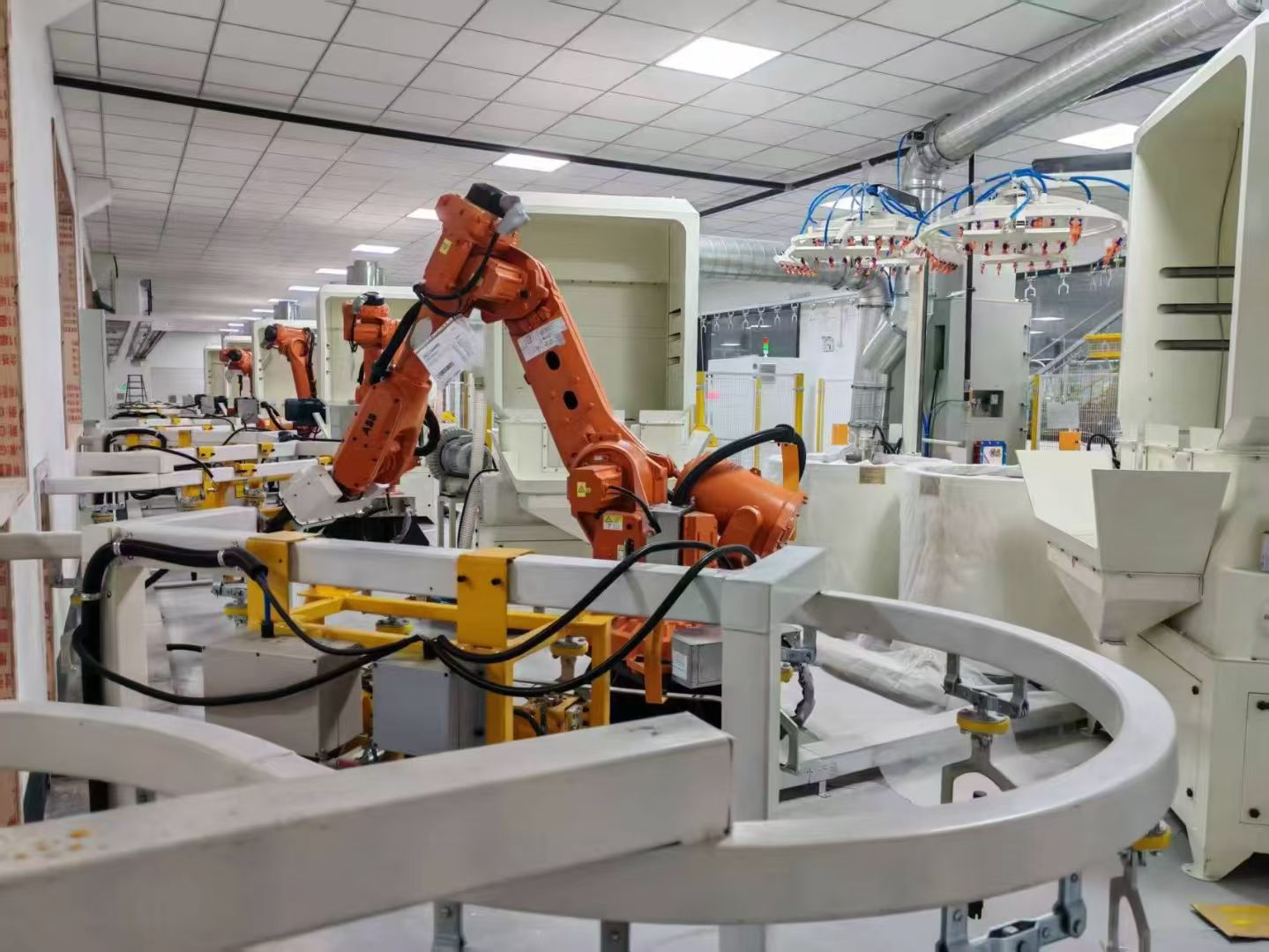
Manual dipping invites operator fatigue and inconsistent coat thickness across large runs. Multi-Axis Articulated Robots: High-payload industrial robotic arms mimic and standardize complex dipping angles, draining maneuvers, and spin-off actions. Integrated Cell Workstations: Robots sync directly with adjacent rotary slurry mixers, rainfall sanders, and drying conveyors to deliver an uninterrupted coating sequence. Recipe-Driven Programming: Custom dipping paths can be recalled instantly for different cluster geometries, guaranteeing identical shell strength from batch to batch.
| Shell Room Equipment | Primary Function | Key Operational Focus |
|---|---|---|
| Slurry Mixers | Binder and flour suspension | Constant rotation, bubble-free agitation |
| Rainfall Sanders | Primary stucco application | Gentle gravity drop, uniform grain layer |
| Fluidized Beds | Backup stucco application | Low-pressure air distribution, blind-cavity fill |
| Drying Tunnels | Multi-layer moisture removal | Tight RH/temperature control, laminar airflow |
| Robotic Dipping Cells | Cluster manipulation and dipping | Motion repeatability, drain angle consistency |
Dewaxing and Shell Firing Equipment
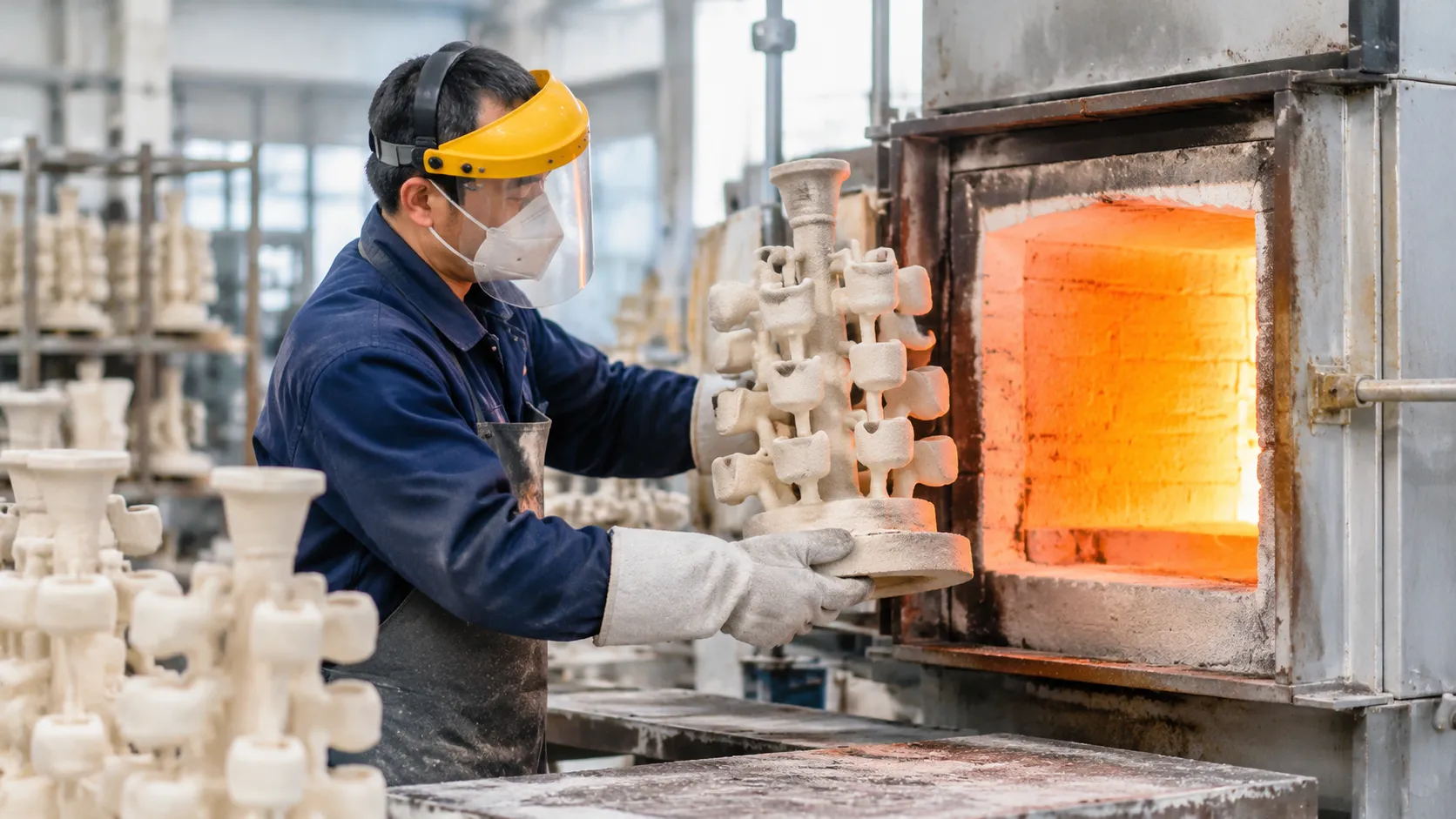
Dewaxing and shell roasting are the most failure-prone thermal phases in any investment casting production line. Thermal expansion of pattern wax happens much faster than that of the surrounding ceramic shell. Without instantaneous pressure and precise atmosphere control, the expanding wax will split the green shell from the inside out.
Our dewaxing and firing equipment line focuses on shell survival, clean wax recovery, and full carbon elimination before metal hits the mold.
Fast-Pressurizing Steam Dewaxing Autoclaves
Thermal shock resistance is the key to preventing shell fractures during dewaxing. An automatic dewaxing autoclave prevents cracking by flooding the pressure vessel with high-pressure steam in seconds, melting the boundary layer of wax instantly before the core of the pattern can expand.
- Rapid Pressurization: Dedicated steam accumulator tanks ramp vessel pressure to 0.6–0.8 MPa (85–115 psi) within 4 to 7 seconds.
- Safety & Sealing: Pneumatically locked doors with dual mechanical interlocks prevent vessel depressurization during active cycles.
- Cycle Automation: Programmable logic controllers (PLCs) automate exhaust venting, condensate drainage, and pressure holding cycles to suit different shell wall thicknesses.
Closed-Loop Wax Reclamation and Filtration Systems
Disposing of drained pattern wax is an unnecessary material cost. We route the effluent discharge from the autoclave directly into an inline wax recovery circuit to separate water and remove suspended particulates.
- Gravity & Coalescing Separation: Multi-chamber gravity settling tanks strip water and suspended ceramic fines from molten wax.
- Multi-Stage Filtration: Heated stainless steel mesh and cartridge filters clean recovered wax down to 50 microns.
- Conditioning for Sprues: Reclaimed wax is held in agitated holding tanks for blending, conditioning, and reuse in gating systems and runner assemblies.
High-Temperature Shell Roasting and Burnout Furnaces
Residual wax traces inside the mold cavity cause severe gas porosity in molten metal. Shells must be roasted to burn out residual carbon and sinter the refractory binders to handle the thermal load of the pour.
Using a properly sized shell firing furnace for steel and alloy investment casting brings molds up to 950°C–1150°C (1740°F–2100°F). This step ensures complete carbon burnout, converts silica crystalline phases, and delivers hot shells directly to the pouring floor to eliminate premature metal freezing.
| Parameter | Batch Roaster (Box Type) | Continuous Tunnel / Pusher Kiln |
|---|---|---|
| Throughput Target | Low to medium batch runs | High-volume continuous production |
| Max Working Temp | Up to 1200°C (2192°F) | Up to 1250°C (2282°F) |
| Heating Method | Natural gas, LPG, or electric elements | Multi-zone gas burners with recuperators |
| Shell Handling | Manual loading rack or pneumatic cart | Automated hydraulic pusher or roller hearth |
Energy Efficiency Controls and Exhaust Management
Firing and dewaxing demand heavy thermal energy. To keep operating costs predictable and comply with plant emission standards, our burnout installations incorporate dedicated thermal management hardware:
- High-Efficiency Ceramic Fiber Linings: Low-thermal-mass ceramic blankets and modular refractory blocks reduce heat-sink loss and allow rapid furnace ramp-up.
- Thermal Afterburners: Secondary combustion chambers fire at 850°C+ to incinerate smoke, wax vapors, and volatile organic compounds (VOCs) before flue discharge.
- Waste Heat Recuperators: Exhaust-to-air heat exchangers pull energy from kiln flue gases to preheat combustion air or supply supplemental hot air to shell drying rooms.
Melting and Metal Pouring Equipment
Achieving the right melt quality is non-negotiable in investment casting. We prioritize equipment that minimizes gas pickup, ensures thermal uniformity, and accelerates production cycles to reduce oxidation risks.
Medium-Frequency Induction Furnaces
Our medium-frequency induction melting furnaces provide the precise power control needed for consistent alloy chemistry. These units allow for rapid melting, which helps reduce grain growth and keeps your production schedule on track. For shops focused on throughput, our 150 to 200kg induction melting furnace models are engineered to achieve reliable melt cycles while maintaining energy efficiency. When high-performance, rapid-heating electric IGBT induction technology is employed, shops can significantly reduce downtime between batches.
Vacuum Induction Melting (VIM) Units
When working with specialty alloys, superalloys, or reactive metals, we utilize VIM units. By melting under a vacuum, we effectively eliminate porosity and impurities, ensuring your high-performance castings meet the strictest metallurgical standards required for aerospace and medical components.
Pouring Systems and Thermal Control
Efficiency on the pouring floor relies on how we handle the metal and monitor its state:
- Preheated Pouring Ladles: We use preheated ladles to prevent premature solidification and ensure the metal reaches the mold at the precise optimal temperature.
- Overhead Handling Tracks: Modular rail systems keep the foundry floor clear and allow for the rapid, safe transport of molten metal from the furnace to the casting station.
- Thermal Monitoring: We integrate real-time thermal analysis and digital temperature probes to verify the pouring window, ensuring every pour is within the exact metallurgical specification before casting begins.
Investment Casting Equipment List: Post-Casting Cleaning and Finishing Line
The finishing line is often where production bottlenecks occur. Removing ceramic shells, cutting gates, and dressing cast parts can consume disproportionate labor hours if your shop floor lacks the right mechanical setups. A well-planned post-cast line ensures parts move quickly from cooling trees to final quality inspection without dimensional damage or surface contamination.
[Poured Tree] ➔ [Knockout Hammer / Washer] ➔ [Cut-Off Saw] ➔ [Gate Grinder] ➔ [Shot Blast / Leaching]
Pneumatic Shell Knockout Hammers and High-Pressure Washers
Removing the fired ceramic mold requires fast, targeted impact without fracturing delicate thin-walled sections.
- Pneumatic Knockout Machines: Clamp the poured tree rigidly by the pouring cup while a pneumatic piston strikes the runner system. High-frequency vibration breaks away bulk refractory material in seconds.
- High-Pressure Water Jet Cabinets: For blind holes, complex internal channels, and undercut geometries, we use closed-loop water blasting units running between 200 and 700 bar. This strips stubborn ceramic shells without altering the metal surface finish.
Hydraulic Cut-Off Saws and Plasma Cutting Stations
Separating castings from the runner bar demands clean, precise cuts to minimize subsequent grinding time.
- Hydraulic Wet Cut-Off Saws: Heavy-duty oscillation cut-off machines utilize reinforced abrasive wheels (300 mm to 600 mm diameter) paired with high-volume flood coolant. Continuous fluid delivery prevents heat checking, surface microcracking, and metallurgical alterations on heat-sensitive materials. For aggressive materials detailed in our casting stainless steel guide for buyers and engineers, rigid pneumatic clamping and automated feed control prevent blade binding and work hardening.
- Manual and Inverter Plasma Torches: For oversized sprues, heavy structural gates, or non-ferrous configurations where abrasive saws cannot reach, heavy-duty plasma cutting stations offer rapid severance with a tight heat-affected zone (HAZ).
Abrasive Belt Grinders for Gate Grinding
Once parts are cut from the tree, the remaining gate vestige must be leveled flush with the part contour.
- Heavy-Duty Contact Wheel Grinders: We rely on high-torque abrasive belt grinders running variable-speed motors. Aggressive ceramic-grain belts (36 to 60 grit) remove gate stubs rapidly.
- Pneumatic Back-Tension Arms: Constant belt tensioning prevents belt slippage and chatter marks, allowing operators to blend surfaces smoothly against the casting datum.
- Integrated Spark and Dust Extractors: Wet dust-collection hoods are positioned right at the grinding point to capture combustible fine particulates safely.
Industrial Shot Blasting Cabinets and Chemical Leaching Tanks
The final stage of this precision casting equipment list restores bare metal uniformity and cleans out deep structural passages.
| Equipment Type | Operating Medium | Primary Function | Typical Shop Cycle |
|---|---|---|---|
| Rotary Table Shot Blaster | Stainless steel shot / cut wire | Removes residual scale and creates an even, satin surface finish | 3–8 minutes per batch |
| Tumble Belt Blasting Unit | Cast steel grit / ceramic beads | Batch cleaning of small, rugged parts via continuous tumbling | 5–10 minutes per load |
| Hanger-Type Blast Cabinet | Abrasive grit / glass beads | Non-contact cleaning of delicate parts suspended on tree hooks | Continuous or indexed |
| Caustic Leaching Autoclave | Hot potassium / sodium hydroxide | Dissolves intricate internal silica cores from complex passages | 2–6 hours immersion |
For castings with complex internal geometries, mechanical blasting cannot reach deep recesses. Heated chemical leaching tanks dissolve residual silica cores without attacking the base metal, leaving critical flow paths completely unobstructed.
Technical Specifications and Facility Requirements
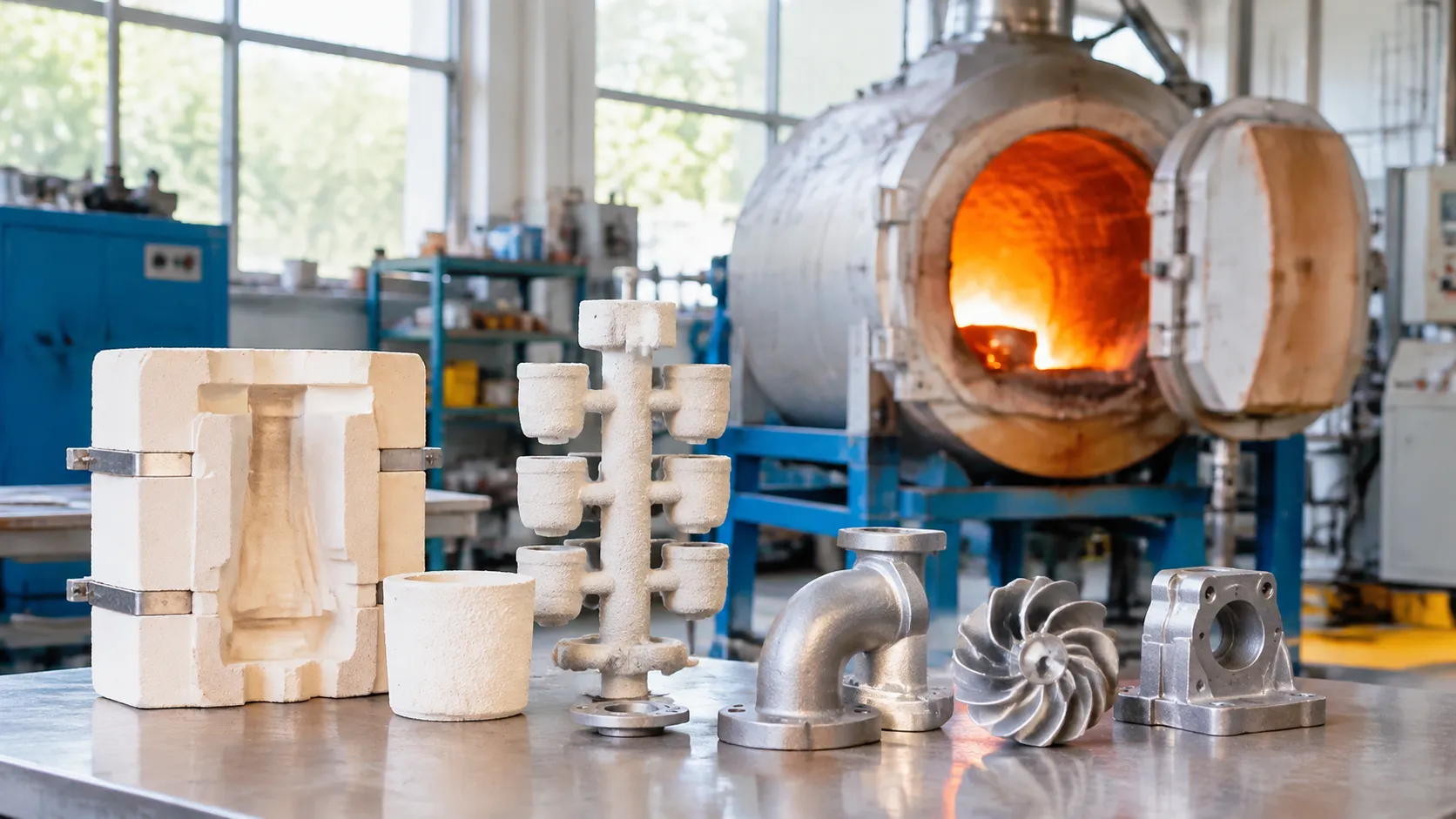
Setting up a plant from an investment casting equipment list requires strict attention to utility sizing, floor loading, and layout workflows. Missing utility minimums leads to voltage drops during melt cycles, pressure drops during injection, and erratic shell drying.
Capacity, Footprint, and Power Rating Criteria
We design floor layouts around physical part flow to avoid bottlenecks between dipping rooms and dewaxing stations. Floor slabs must handle high localized loads—especially under induction melt decks and autoclaves—while maintaining clear ceiling height for bridge cranes and robotic shell arms.
| Equipment Station | Typical Footprint (m) | Connected Load (kW) | Required Slab / Clear Height |
|---|---|---|---|
| Wax Injection & Prep | 6 x 8 | 15 – 35 | Standard 150 mm slab; 3.0 m height |
| Robotic Shell Room | 8 x 10 | 25 – 45 | Leveled 200 mm slab; 4.5 m clearance |
| Dewaxing Autoclave | 4 x 6 | 45 – 90 (boiler load) | Reinforced trenching; drainage sump |
| Induction Melting Line | 10 x 12 | 150 – 500+ | 300 mm reinforced slab; 6.0 m for crane |
| Knockout & Cut-Off | 6 x 6 | 20 – 40 | Heavy acoustic & vibration isolation pad |
Exhaust, Ventilation, and Dust Collection Planning
Process containment keeps operators safe and prevents cross-contamination across your precision foundry equipment:
- Burnout & Roasting Furnaces: Require dedicated, insulated high-temperature flues and natural draft or induced-draft exhaust hoods to safely pull combustion byproducts and residual wax vapors out of the facility.
- Shell Knockout & Cut-Off Stations: Produce fine silica and ceramic particulate. We link these units directly to continuous pulse-jet dust collectors rated for heavy particulate loading, maintaining duct air speeds above 20 m/s to prevent settling.
- Stucco & Sanding Units: Fluidized beds and rainfall sanders generate airborne ceramic dust that must be captured at the source with local extraction hoods before reaching the general drying room atmosphere.
Cooling Water Loops and Compressed Air Demands
Unstable water temperature or sudden pressure drops will halt production lines instantly:
- Closed-Loop Cooling: Medium-frequency induction melting equipment and wax injectors require dedicated dual-circuit cooling systems. We separate the clean, deionized water loop running through the induction coils from the raw water loop cooling the power cabinets and chillers.
- Wax Conditioning Chillers: Wax injectors rely on consistent 15°C to 18°C chilled water circuits to stabilize wax pattern solidifying times inside the dies.
- Compressed Air Network: Maintain an uninterrupted central supply line delivering clean, dry air at 0.7 to 0.8 MPa (7–8 bar). Pneumatic wax clamps, shell-dipping manipulators, and high-energy knockout hammers consume massive instantaneous volumes, requiring receiver tanks placed close to the point of use to prevent pressure dropouts.
Semi-Automated vs. Fully Automated Line Configurations
Selecting the right automation level depends on your target volume, casting complexity, and budget:
- Semi-Automated Setups: Best suited for high-mix, low-to-medium volume job shops. Workers manually move wax trees between manual dipping tanks and fluidized sand beds. This setup minimizes initial capital cost and provides setup agility, but demands strict operator discipline to avoid inconsistent shell wall thickness.
- Fully Automated Shell Lines: Centered around multi-axis dipping robots, climate-controlled environmental drying rooms, and automated rail conveyors. Integrating these smart factory solutions removes human variation from the slurry coating cycle, cuts scrap rates caused by shell cracking, and allows lights-out processing through overnight shell building shifts.
Frequently Asked Questions
What is the difference between water glass and silica sol equipment?
The primary distinction lies in the shell-building environment and drying requirements. Water glass (sodium silicate) systems often require simpler infrastructure and hardening via CO2, whereas silica sol systems demand precise humidity and temperature control to ensure binder stability and shell strength. When selecting your precision casting solution with silica sol process and ISO 8062 accuracy, you must account for specialized drying tunnels and environmental monitoring that aren't strictly necessary for basic water glass setups.
| Feature | Water Glass Process | Silica Sol Process |
|---|---|---|
| Drying Control | Minimal | Strict RH/Temp Regulation |
| Hardening Agent | CO2 Gas | Air Dry/Chemical Binder |
| Shell Strength | Moderate | High |
| Precision | Standard | High / Aerospace Grade |
What core machinery is needed for a starter investment casting setup?
For shops looking to establish a foundational investment and precision casting services for metal parts capability, focus on these five core assets from the investment casting equipment list: Wax Injector: A manual or semi-automatic hydraulic unit for pattern production. Slurry Mixer: A single-tank system for consistent binder/refractory mixing. Burnout Furnace: A dual-purpose unit for wax removal and shell firing. Induction Melting Furnace: A compact, medium-frequency system suited for batch melting. Finishing Station: A basic abrasive cut-off saw and a standalone shot-blast cabinet.
How do we calculate total facility power and ventilation needs?
To determine your total power requirement, sum the nameplate kilowatt (kW) ratings for all major machinery—specifically induction furnaces and large ovens—then apply a 20-30% safety factor to account for peak demand and auxiliary equipment (pumps, chillers, lighting). Ventilation planning requires a professional assessment of your shop volume; you need dedicated extraction at the furnace pouring site, the shell knockout station, and the finishing booth to maintain air quality and manage heat load.
What are standard manufacturing and commissioning lead times?
Lead times vary significantly based on the level of automation. For standalone machinery, procurement typically ranges from 8 to 12 weeks. If you are sourcing a turnkey, fully automated investment casting production line, commissioning and site integration usually require a 4-to-6-month timeline. This includes equipment fabrication, factory acceptance testing (FAT), shipping, and on-site calibration by your installation team.
 English
 Russian
 German