

2026年11月8日
Learn how a wax injection machine works in investment casting with precise pressure temperature control and reliable wax mold production
What Is a Wax Injection Machine?
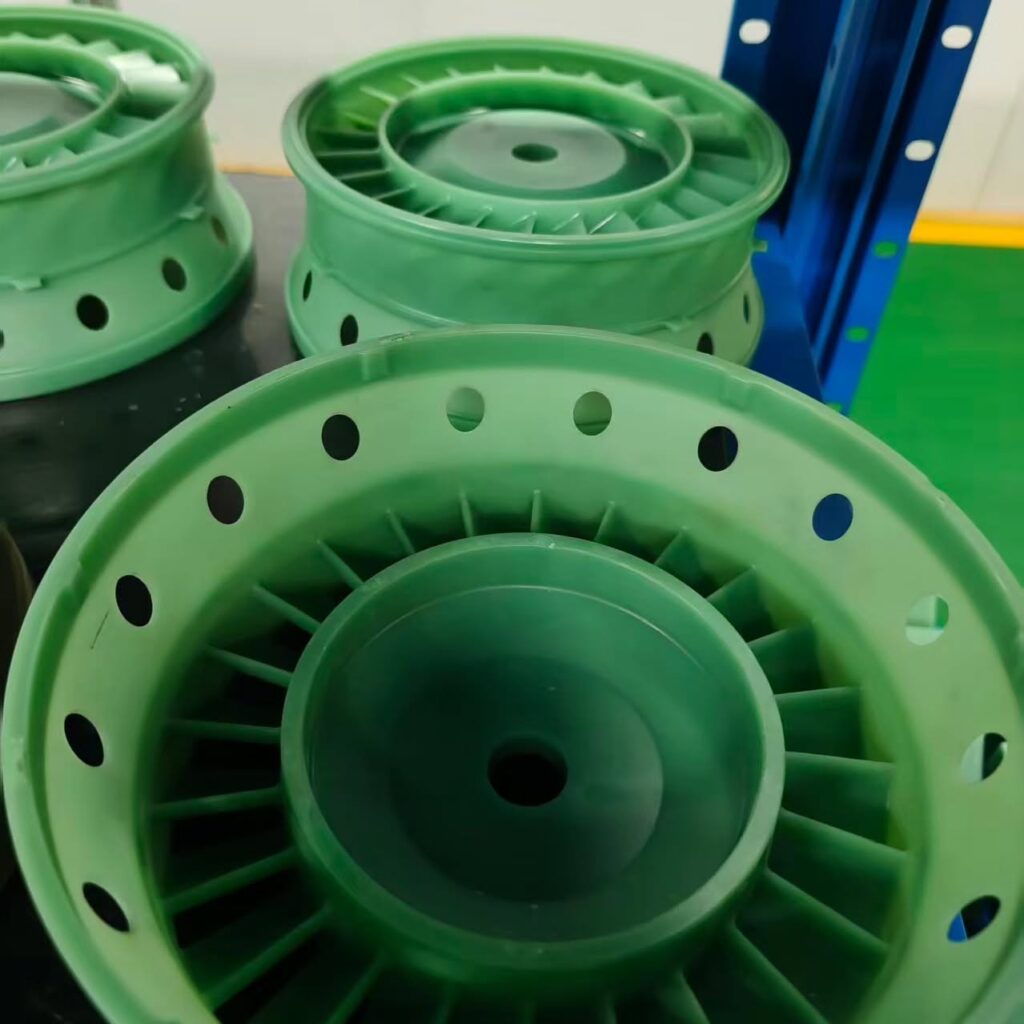
A wax injection machine is the foundational equipment in the investment casting process, designed to create high-precision sacrificial wax patterns. By injecting molten or paste-state wax into a metallic die, the machine forms exact replicas of the intended final metal part.
It is essential to distinguish between these three core elements: The Machine: The mechanical system that manages thermal conditioning, pressure, and clamping. The Wax: The consumable medium that provides the intricate shape and surface finish. The Injection Die: The precision-engineered mold (typically aluminum or steel) that defines the geometry of the part.
Consistent pattern production is the prerequisite for quality casting. Because any variation in the wax pattern—such as shrinkage, distortion, or surface defects—is replicated in the final metal casting, the reliability of the injection machine directly dictates foundry efficiency and scrap rates. In the industry, this equipment is frequently referred to as a wax pattern injection machine, investment casting wax injector, or a foundry wax injection machine. Utilizing a high-performance system ensures repeatable dimensions and consistent weight across large-scale production runs.
Main Components of a Wax Injection Machine
To understand how a wax injection machine works in investment casting, we need to look at the primary assemblies that control the process. Every piece of wax injection equipment relies on coordinated mechanical, thermal, and fluid systems to transform conditioned wax into repeatable, high-precision patterns.
Wax Supply and Conditioning System: Managing Wax Stability
The wax conditioning system prepares the material before it ever enters the mold. Solid wax chips or cakes are melted and maintained at tight temperature tolerances inside a heated reservoir.
- Thermal Jackets: Multi-zone heating jackets regulate wax temperature, preventing hot spots that degrade the material.
- Agitation: Continuous stirring maintains uniform temperature throughout the reservoir and prevents air entrapment.
- Phase Control: Conditioning brings the material to the exact required state—whether liquid or semi-solid paste—ensuring consistent flow and lower volumetric shrinkage during solidification.
Injection Unit: How Wax Reaches the Die
The wax injection unit meters and forces the conditioned wax directly into the mold cavity.
- Injection Cylinder and Piston: A hydraulically or pneumatically driven ram displaces a set volume of wax at steady velocities.
- Heated Nozzle: The delivery nozzle connects directly with the die sprue. Dedicated nozzle heaters prevent localized freezing or "cold slugs" from obstructing flow.
- Pressure Regulation: Proportional valves allow us to tune injection speed and hold pressure precisely, ensuring complete mold filling without turbulent flow.
Die Clamping Unit: Ensuring Precise Closure
Clamping mechanics keep the tooling firmly sealed against internal injection forces. If clamping force drops, wax escapes along the parting line.
- Clamping Frame: Rigid C-frame or four-tie-bar horizontal presses hold the tool halves parallel under load.
- Hydraulic or Pneumatic Actuators: Provide the required tonnage based on the projected surface area of the pattern.
- Platen Alignment: Precision-machined platens maintain flat contact surfaces to prevent uneven mold wear and flash. Knowing your required clamp tonnage is a primary consideration when evaluating how to choose the right wax injection machine for specific tool dimensions.
Die and Cooling Arrangement: Shaping and Stabilizing the Pattern
The investment casting die shapes the final pattern geometry, while integrated cooling stabilizes the wax.
| Component | Primary Function | Operational Impact |
|---|---|---|
| Cavity Inserts | Defines exterior shape and gating | Governs part dimensions and surface finish |
| Cooling Channels | Circulates water or fluid through the die | Accelerates heat removal and cycle times |
| Venting Ports | Allows displaced cavity air to escape | Eliminates air pockets and short shots |
Controls and Operator Interface: Managing Process Variables
Modern investment casting machinery integrates digital control architectures that give operators complete oversight of every shot:
- PLC System: Coordinates the sequencing of clamp close, nozzle approach, injection stroke, dwell, and clamp open.
- Touchscreen HMI: Allows operators to store tool recipes, monitor real-time pressure curves, and adjust multi-zone temperatures.
- Alarm Monitoring: Detects cycle interruptions, low wax levels, or temperature deviations before defective patterns are produced.
Ejection and Pattern Removal: Safe Handling of Delicate Patterns
Once the wax pattern solidifies, it must be extracted without warping or breaking thin wall sections.
- Mechanical Ejector Pins: Integrated pins push against non-critical runner areas or reinforced ejection pads to free the part.
- Pneumatic Assist: Air blasts help release patterns from deep pockets or complex cores.
- Part Removal Clears: Automated swing arms or manual part catchers support delicate assemblies as they clear the die face.
How a Wax Injection Machine Works: Step by Step
Understanding how a wax injection machine works in investment casting comes down to a clear, repeatable cycle. Every phase directly influences the dimensional accuracy and surface finish of the sacrificial wax pattern. Here is how we run a standard wax injection process from raw material to finished pattern.
1. Prepare and Condition the Wax: Ensuring the Right Consistency
Before injection begins, the wax must reach a uniform temperature and viscosity inside the reservoir. Thermal conditioning: We heat the wax to either a liquid or paste state depending on pattern requirements. Paste wax is often preferred to reduce volumetric shrinkage. Homogenization: Continuous stirring eliminates thermal gradients, air pockets, and settling, ensuring reliable flow through our wax injection machine for investment casting.
2. Load and Align the Die: Preparing for Accurate Injection
The tooling must align precisely with the injection nozzle. Positioning: The investment casting die is mounted onto the machine platen or carrier table. Runner alignment: The injection port of the tooling lines up squarely with the machine nozzle to prevent misdirected flow, turbulence, or nozzle freezing during contact.
3. Clamp the Die: Preventing Leakage at the Parting Line
Once aligned, the clamping unit engages under controlled hydraulic or pneumatic force. Sealing the cavity: High clamping pressure seals the die halves firmly together. Preventing flash: Adequate tonnage counteracts injection pressure, ensuring wax does not seep across the parting lines or ejector pin clearances.
4. Inject Wax into the Die: Delivery Through the Nozzle
With the die secured, the wax injection unit drives the conditioned material into the cavity. Controlled velocity: The machine injects wax at a measured flow rate to fill intricate geometry without trapping air. Pressure regulation: Consistent pressure forces the wax into thin walls, sharp corners, and deep ribs for complete pattern reproduction.
5. Hold and Cool the Wax: Stabilization Stages
Injecting the material is only half the battle; the pattern must solidify without distortion. Dwell (holding) stage: The injector maintains pressure against the nozzle to pack additional material into the cavity as the wax cools and contracts. Cooling phase: Integrated water-cooling channels inside the tooling pull heat away rapidly, stabilizing the wax into a rigid, dimensionally stable structure.
6. Open the Die and Remove the Pattern: Careful Extraction
Once the dwell and cooling timers elapse, the machine initiates part removal. Die separation: The clamping unit opens smoothly to avoid pulling or shearing delicate wax features. Ejection: Mechanical or pneumatic ejector pins push the pattern assembly free, allowing the operator or automated arm to lift the wax pattern without causing bends or cracks.
7. Prepare for the Next Cycle: Maintenance Between Shots
A clean die guarantees repeatability across thousands of cycles. Tool cleaning: The operator inspects the die face, clearing away micro-flash or wax residue using gentle air blasts or soft tools. Parting agent application: A light, uniform mist of release agent is applied if necessary, resetting the system for immediate cycle restart on single units or a continuous two-station wax injection machine.
Which Process Factors Affect Wax Pattern Quality?
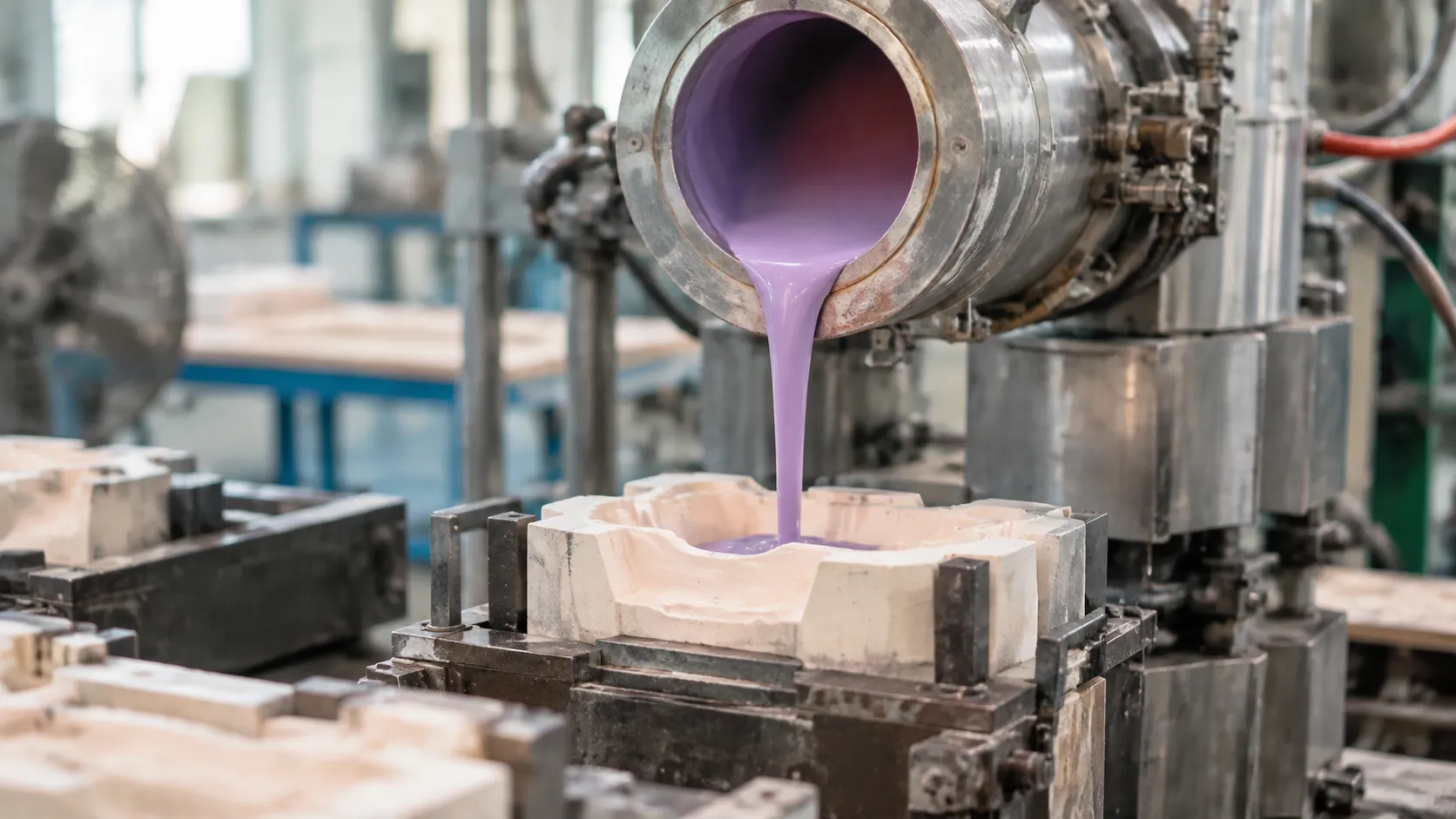
Achieving high-quality results in the casting process methods depends on strictly controlling specific variables during wax injection. Even minor deviations can lead to defects that compromise the final cast part.
To ensure consistent wax pattern quality, focus on these critical process factors:
- Wax Condition and Thermal Consistency: The wax must be maintained at a stable temperature and viscosity. Fluctuations cause uneven shrinkage or internal stresses, which lead to warped patterns.
- Injection Pressure and Filling Speed: Precise control over how fast and hard the wax enters the die is essential. Too much speed creates air turbulence, while incorrect pressure leads to incomplete filling or flash.
- Die Alignment and Surface Cleanliness: If the injection die is misaligned, the pattern will show parting line shifts. Any residue or contaminants on the mold surface will be transferred directly to the wax, ruining the finish.
- Cooling Duration and Temperature Control: Proper cooling stabilizes the wax. If the pattern is removed before it has sufficiently solidified, or if cooling is uneven across the geometry, the part will distort.
- Pattern Geometry and Cooling Rates: Complex shapes cool at different rates. Understanding the geometry helps in setting dwell times that prevent sink marks in thicker sections.
- Operator Workflow and Process Monitoring: Standardizing the cycle ensures repeatability. Using automated systems to monitor pressures and temperatures reduces human error and maintains high output standards.
By keeping these parameters within tight tolerances, you stabilize your production line and minimize the waste associated with sub-par pattern creation.
Common Wax Pattern Problems and Troubleshooting
Running a wax injection machine requires tight process control. When small shifts in pressure, temperature, or clamping occur, defects appear quickly on the tooling line. Understanding how does a wax injection machine work in investment casting makes troubleshooting straightforward.
Here is how we diagnose and resolve common wax pattern defects on the foundry floor.
| Defect | Primary Cause | Immediate Fix |
|---|---|---|
| Incomplete Filling (Short Shot) | Low wax temperature, inadequate injection pressure, or blocked die vents | Increase injection pressure gradually; verify nozzle temperature and clear tool vents. |
| Flash / Material Leakage | Insufficient clamping force, misaligned die platens, or damaged parting lines | Check platen alignment, inspect parting surfaces for debris, and increase clamping tonnage. |
| Surface Irregularities (Sink/Flow Lines) | Wax too hot, inadequate dwell time, or unconditioned paste wax | Lower wax reservoir temperature; lengthen dwell/holding time to compensate for shrinkage. |
| Pattern Distortion | Ejecting parts while still soft, uneven ejector pin force, or rough manual handling | Extend cooling cycles inside the die; calibrate ejector pin stroke and balance release force. |
| Cycle Inconsistency | Fluctuating reservoir temperatures or hydraulic pressure drops | Service the wax injection unit; audit PLC thermal loops and hydraulic fluid levels. |
Incomplete Filling: Checking Injection Behavior and Paths
Short shots happen when the wax freezes before reaching the thinnest sections of the cavity. We check the injection path first: Verify Injection Pressure: Low flow velocity lets the front edge solidify prematurely. Inspect Die Vents: Trapped air blocks incoming wax. Keep micro-vents clean of residue. Check Wax Temperature: Even a drop of 1°C can alter viscosity enough to restrict flow through narrow runners.
Flash or Leakage: Addressing Die Alignment and Clamping
Flash creates extra cleanup work and alters critical dimensions. When wax escapes along the parting line: Audit Clamping Force: Squeeze tonnage must overcome the peak injection pressure across the entire projected surface area. Inspect Parting Faces: Wax buildup or minor tool burrs prevent dies from seating flush. Check Machine Platen Parallelism: Uneven platen pressure allows wax to seep out on one side of the mold.
Surface Irregularities: Reviewing Wax and Die Condition
Sink marks, flow lines, and air bubbles compromise wax pattern quality. Unlike permanent metal tooling used in high-pressure processes—detailed in our die casting vs investment casting cost and material guide—wax molds rely heavily on controlled volumetric shrinkage during solidification: Sink Marks: Caused by poor dwell holding pressure or wax injected in an overly liquid state. Condition the wax into a uniform paste phase to minimize shrinkage. Flow Lines: Result from cold wax entering a cold die. Adjust nozzle temperature and stabilize mold preheat conditions. Surface Bubbles: Agitation in the reservoir traps air. Allow sufficient de-airing time in the conditioning tank.
Pattern Distortion: Solving Removal and Handling Issues
Wax patterns have low mechanical strength immediately after injection. Distortion during or after ejection points to thermal or mechanical imbalance: Premature Ejection: Pulling patterns before the core solidifies leads to sagging. Add 2 to 5 seconds to the cooling stage. Uneven Pin Actuation: Ejector pins must push in unison. Misaligned pins twist delicate pattern geometries. Die Release Agents: Apply thin, uniform coats of release agent. Over-application causes surface pitting, while under-application causes patterns to stick and warp upon release.
Cycle Inconsistency: Verifying Process Settings
When identical cycles produce shifting pattern dimensions, the machine settings need validation: Thermal Drift: Check RTD temperature sensors in the reservoir, hose, and injection nozzle. Hydraulic and Pneumatic Repeatability: Pressure drops during injection lead directly to shot-to-shot weight variations. Wax Conditioning: Make sure fresh wax pellets are blended thoroughly with reclaimed material to maintain a consistent melting point.
Comparing Machine-Based Injection to Manual Methods
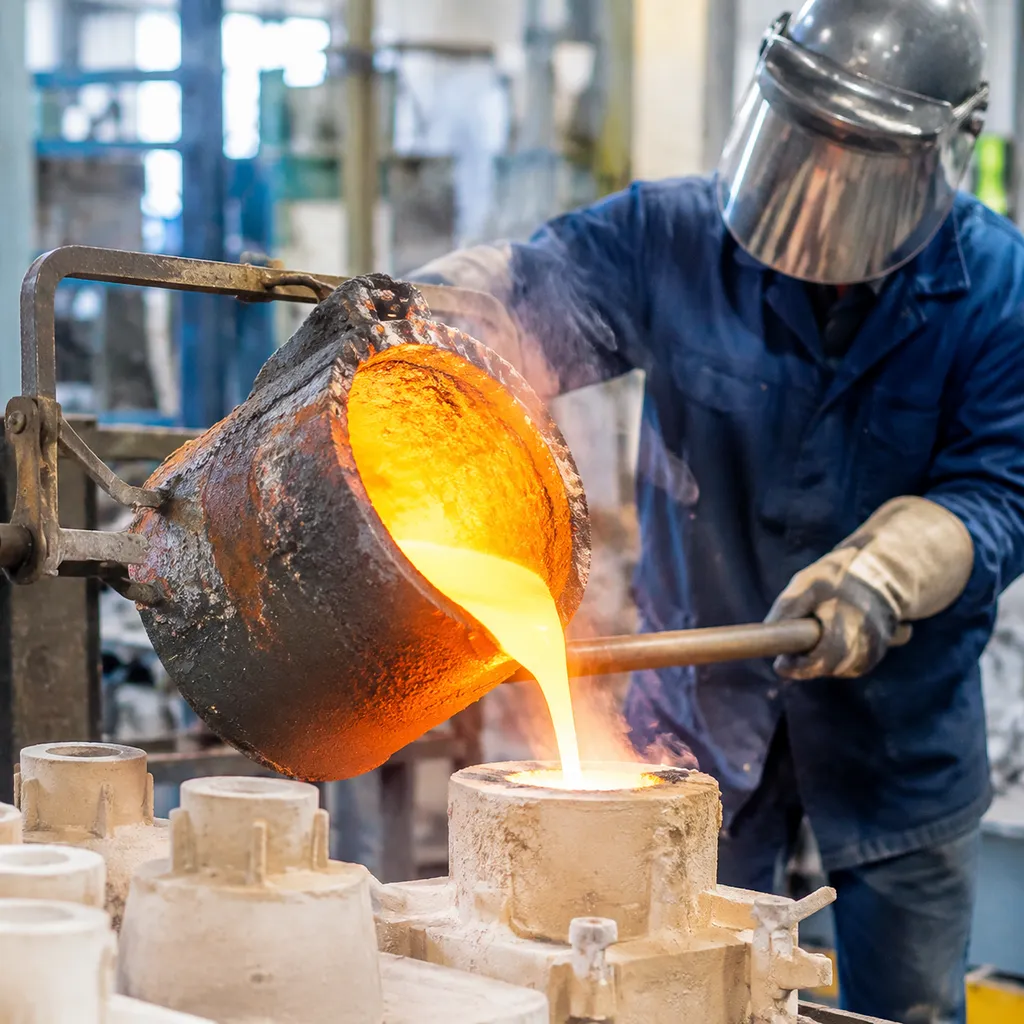
Choosing between manual wax handling and dedicated investment casting wax injection machines directly impacts foundry throughput, operational costs, and scrap rates. While manual pouring or handheld injectors can handle low-volume prototypes or artistic work, industrial casting requires the consistency that only automated systems provide.
Workflow Efficiency and Repeatability
Manual wax operations rely heavily on operator feel, leading to variations in wax temperature, pouring speed, and clamp stability. A modern wax injection machine automates these variables:
- Consistent Dwell and Pressure: Automated cycles keep pressure constant while the pattern cools, eliminating shrinkage voids.
- Elimination of Operator Fatigue: Preset parameters run identical cycles from the first shot to the last.
- Reduced Post-Processing: Controlled clamping prevents parting-line flash, saving hours of manual trimming and tooling cleanup.
Scaling for Production Volume
When production demands scale, manual wax handling quickly becomes a bottleneck. Automated lost-wax casting equipment reduces cycle times from several minutes down to seconds per shot. Achieving precise dimensional accuracy early in the wax stage is critical; as we explore in our forging and casting comparison, initial process control directly dictates final part tolerances and overall machining allowances.
| Factor | Manual Wax Methods | Machine-Based Wax Injection |
|---|---|---|
| Cycle Speed | 3 to 10+ minutes per piece | 15 to 90 seconds per piece |
| Dimensional Accuracy | Low to moderate (operator-dependent) | High (repeatable to tight tolerances) |
| Scrap Rate | High (sink marks, air traps, flash) | Minimal (optimized injection profiles) |
| Labor Requirement | High touch; requires skilled craftspeople | Low touch; single operator manages multiple cycles |
| Tooling Wear | Uneven clamping causes localized wear | Even hydraulic or pneumatic clamping preserves dies |
Balancing Cost, Tooling, and Labor Requirements
We weigh the trade-offs between capital investment and unit economics before configuring any wax pattern injection machine:
- Initial Investment (CapEx): Manual tools have a minimal upfront cost, while automated injection units require capital for machinery and rigid aluminum or steel dies.
- Labor Savings (OpEx): Automated injection drops direct labor costs per part drastically, allowing operators to focus on tree assembly and visual inspection.
- Defect Costs: Inconsistent manual patterns lead to casting scrap that is only discovered after pouring expensive metal. Automated wax pattern production catches process deviations at the wax stage, protecting overall foundry margins.
How to Choose the Right Wax Injection Machine
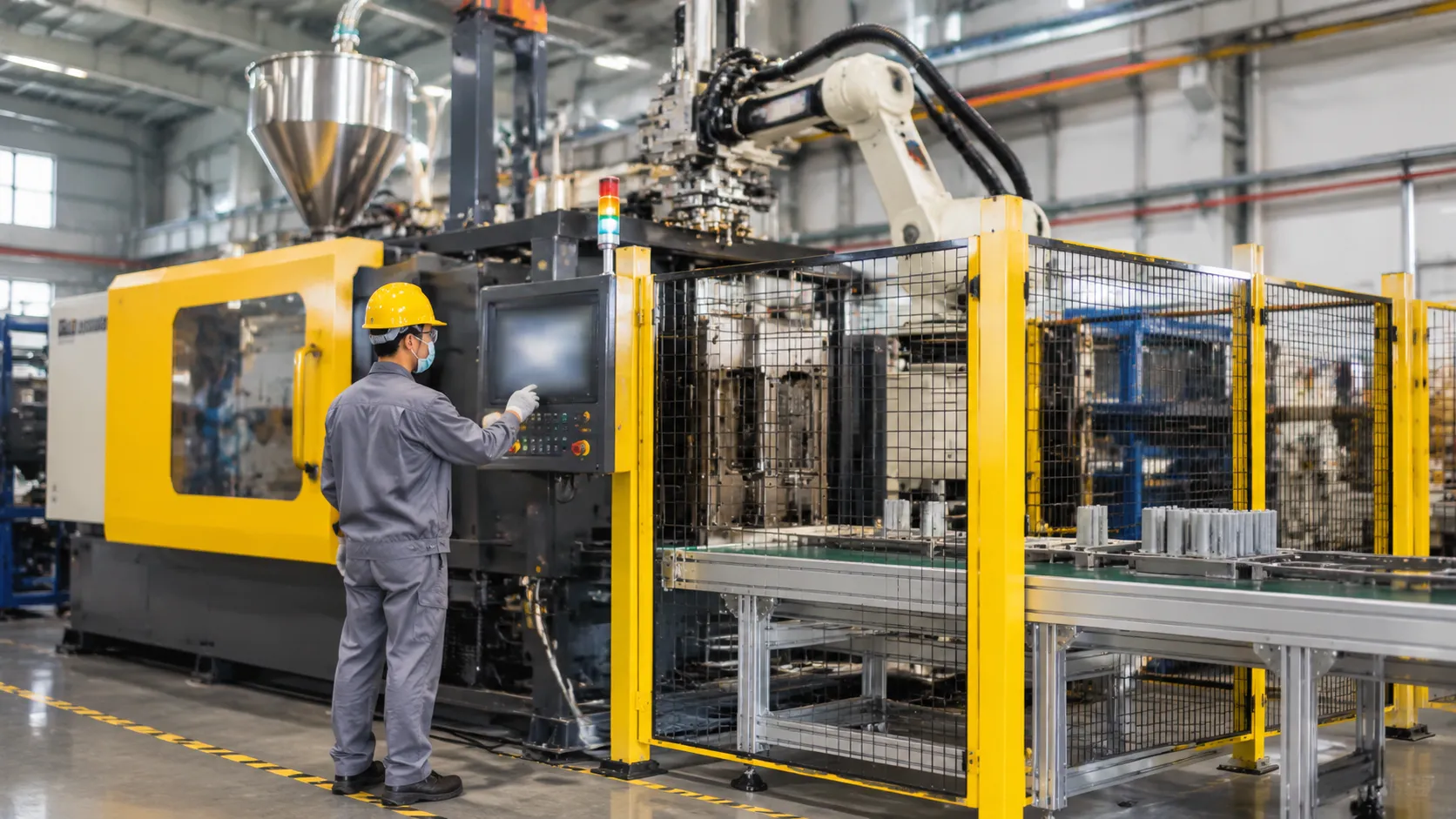
Selecting the right wax injection equipment directly impacts pattern accuracy, scrap rates, and daily output in an investment casting foundry. We recommend evaluating equipment against five core criteria to ensure the unit handles your specific tooling and production targets.
Matching Machine Specs to Pattern Dimensions and Geometry
Every pattern requires a calculated shot volume and projected surface area.
- Clamping Force: Must counter injection pressure over the total projected parting area to stop parting-line flash.
- Platen Size and Daylight: Ensure the die fits within the tie bars or frame, allowing sufficient stroke length for die opening and part ejection.
- Nozzle Alignment and Stroke: The injection nozzle must seat cleanly against the die sprue without restricting wax flow.
Assessing Production Volume and Cycle Time Needs
Production volume determines the level of automation and the configuration of the machine:
- Low-to-Medium Volume: A single-station manual or semi-automatic unit provides quick die changeovers for varied part runs.
- High-Volume Output: Dual-station setups or automated clamping and ejection reduce dwell wait times by alternating cycles between two dies.
- Cooling Optimization: Machines integrated with dedicated die-cooling circuits cycle faster by solidifying thicker wax sections without sink marks.
| Key Factor | What We Check | Operational Impact |
|---|---|---|
| Platen Dimensions | Die clearance and opening stroke | Tooling fit and extraction clearance |
| Reservoir Capacity | Wax volume vs. hourly usage | Continuous operation without thermal drops |
| Clamping Capacity | Maximum tonnage rating | Zero flash along the die parting lines |
| Temperature Control | Independent zone regulation | Elimination of shrinkage and voids |
Evaluating Process Control Features and Usability
Precise control over thermal and pressure parameters prevents common casting defects. Investing in a wax injection machine with PID control guarantees stable temperature regulation across the reservoir, delivery hoses, and injection nozzle.
Look for digital interfaces that store multi-stage injection profiles—allowing rapid switching of injection speeds, holding pressures, and dwell timers for different dies.
Verifying Utility Requirements and Installation Needs
Before selecting equipment, verify facility readiness:
- Electrical Supply: Match voltage and total kilowatt load, including reservoir heating bands.
- Pneumatics and Hydraulics: Confirm plant air supply pressure (typically 6 to 8 bar) or dedicated hydraulic power unit space.
- Chilled Water Connections: Check flow rates and supply pressure required to cool the platens and dies.
- Footprint and Layout: Allow adequate operator workspace around the clamping area and rear access for maintenance.
Reviewing Support, Training, and Maintenance Documentation
A reliable investment casting wax injection machine requires straightforward upkeep:
- Documentation: Clear schematics for electrical, pneumatic, and hydraulic systems.
- Spare Parts Availability: Ready access to common wear items like nozzle seals, heater bands, thermocouples, and hydraulic packings.
- Technical Training: Clear operating instructions for setting multi-stage pressure parameters and recalibrating thermal sensors.
The Vastpe Wax Injection Machine Advantage
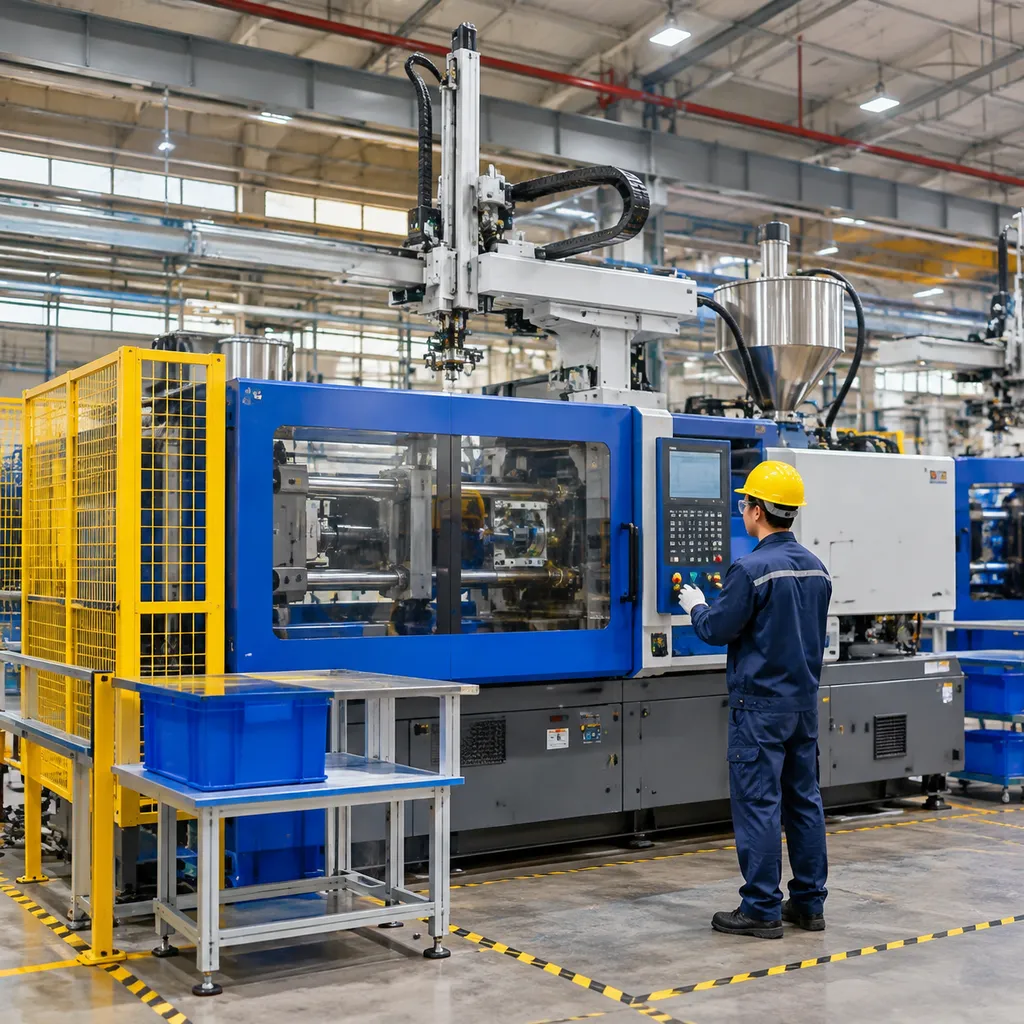
We design our equipment to meet the strict tolerance and cycle-time demands of modern shell-molding plants. Understanding how a wax injection machine works in investment casting allows us to build systems that eliminate process variability, reduce scrap, and optimize daily throughput.
Introduction to Vastpe Series Features
Our systems integrate reliable hydraulics, rigid clamping structures, and precise temperature regulation. Whether you operate a high-mix job shop or a continuous production line, our automatic wax machine for precision investment casting provides stable process parameters shot after shot.
- Uniform Temperature Management: Multi-zone heating circuits maintain wax consistency across the reservoir, delivery hoses, and injection nozzle.
- Rigid Die Clamping: Robust clamp frames eliminate die separation under pressure, preventing parting-line flash.
- Intuitive PLC Controls: Programmable profiles let operators save and recall injection pressure, flow velocity, and dwell timing for each specific die.
- Smooth Wax Conditioning: Controlled reservoir agitation keeps paste or liquid wax homogeneous without introducing trapped air bubbles.
Tailored Applications for Modern Foundries
Different foundries handle vastly different alloys, part sizes, and geometries. We adapt our machinery configurations to serve specific manufacturing sectors:
- Aerospace and Power Generation: Delivering the pressure stability needed for complex, cored turbine components and structural hardware.
- Automotive and Commercial Castings: Supporting high-speed cycles and multi-cavity dies for brackets, turbocharger parts, and fittings.
- Medical Implants: Maintaining smooth surface finishes and strict dimensional repeatability for orthopedics and surgical tools.
- General Industrial Hardware: Providing versatile, cost-effective operation across varied tooling sizes and short production runs.
Operational Benefits for Precision Casting
Deploying a dedicated wax injection machine for precision casting directly targets bottom-line foundry costs.
| Operational Factor | Standard Manual / Basic Setup | Vastpe Machine Integration | Foundry Impact |
|---|---|---|---|
| Dimensional Stability | Fluctuating manual hold times | Automated dwell and cooling controls | Drastically lower scrap rates |
| Flash Prevention | Inconsistent manual clamping | High-tonnage rigid hydraulic clamping | Minimal pattern trimming labor |
| Cycle Times | Operator-dependent pace | Automated sequence with rapid reset | Higher parts-per-hour output |
| Pattern Integrity | High risk of distortion during pull | Smooth, parallel die opening and ejection | Protected thin walls and fine details |
How to Get a Tailored Machine Recommendation
Selecting the right wax injection unit requires matching the equipment's physical capacities to your foundry's casting portfolio. To identify the ideal configuration for your plant, compile the following specifications:
- Die Dimensions and Weight: Maximum length, width, height, and overall mass of your existing tooling.
- Shot Volume and Pattern Surface Area: Maximum wax volume required per shot and projected die surface area to calculate required clamping force.
- Wax Type: Preferred operating state (paste wax or liquid wax) and specific melting characteristics.
- Target Output: Expected parts per shift and level of automation required (manual die handling vs. automated pneumatic shuttle tables).
Providing these core parameters allows our engineering team to calculate the exact clamping tonnage, nozzle travel, and reservoir capacity required for your operations.
Frequently Asked Questions
What is a wax injection machine used for in investment casting?
A wax injection machine produces precise, sacrificial wax patterns that match the exact geometry of your finished metal components. In the lost-wax casting process, we coat these wax patterns in ceramic slurry to create a shell mold. The machine ensures that every wax pattern is dimensionally uniform, minimizing machining allowances and surface defects in the poured castings. Selecting reliable wax injection equipment is the foundation of tight tolerance control across production runs.
What are the main stages of a wax injection cycle?
A standard automated wax pattern production cycle follows five continuous stages: Wax Conditioning: Holding the wax at a stable temperature and viscosity to prevent shrinkage or thermal stress. Die Clamping: Locking the mold halves together under sufficient hydraulic or pneumatic force to seal the parting lines. Injection: Delivering conditioned wax through the nozzle into the tooling cavity under controlled pressure and velocity. Holding and Cooling: Maintaining dwell pressure while the wax solidifies inside the chilled die to prevent sink marks. Die Opening and Ejection: Actuating mechanical or pneumatic ejector pins to remove the pattern without bending or surface damage.
What does the die do during wax injection?
The injection die defines the outer profile, internal features, and surface finish of the wax pattern. Beyond acting as a negative cavity for the part, modern tooling incorporates internal cooling channels to draw heat out of the molten or paste wax quickly. The die must maintain absolute alignment under clamping loads to keep wall thicknesses consistent and avoid parting-line shifts.
Which factors affect the quality of a wax pattern?
Several interconnected parameters dictate final pattern integrity: Wax Temperature: Variations of even a few degrees alter viscosity, causing incomplete fills or excessive shrinkage. Injection Pressure and Velocity: Excessive pressure causes flashing; insufficient pressure leads to air entrapment and non-fill. Dwell Time: Removing the pattern before it solidifies leads to warp; over-holding extends cycle times unnecessarily. Die Clamping Force: Must offset injection pressure across the entire projected surface area.
Utilizing a horizontal intelligent wax injection machine helps maintain precise digital control over these process variables, preventing common issues like flow lines and cavitation.
How should a buyer assess machine compatibility with existing tooling?
When integrating a new wax injector into an existing foundry line, we evaluate: Platen Dimensions and Daylight Opening: Verifying the die footprint fits securely between tie bars or frames. Nozzle Geometry: Matching the machine nozzle radius, orifice size, and travel distance to the die sprue bushing. Clamping Capacity: Ensuring the machine tonnage exceeds the separating force generated by your largest projected mold area. Ejection Mechanism: Confirming ejector pin stroke lengths, positions, and actuation styles align with your current mold plates.
What information should I provide when requesting a machine recommendation?
To help us specify the correct machine configuration, provide the following production details: Pattern Specifications: Maximum part dimensions, shot weight (volume), and projected surface area. Wax Characteristics: Wax type (paste or liquid), melting point, and current injection temperature. Tooling Details: Die construction material (aluminum or steel), overall mold dimensions, and existing cooling connections. Production Targets: Target cycle time per shot and estimated daily or monthly output requirements.
 English
 Russian
 German