
2026年11月2日
Jewelry casting machine for precise efficient metal casting and reliable performance in professional jewelry manufacturing
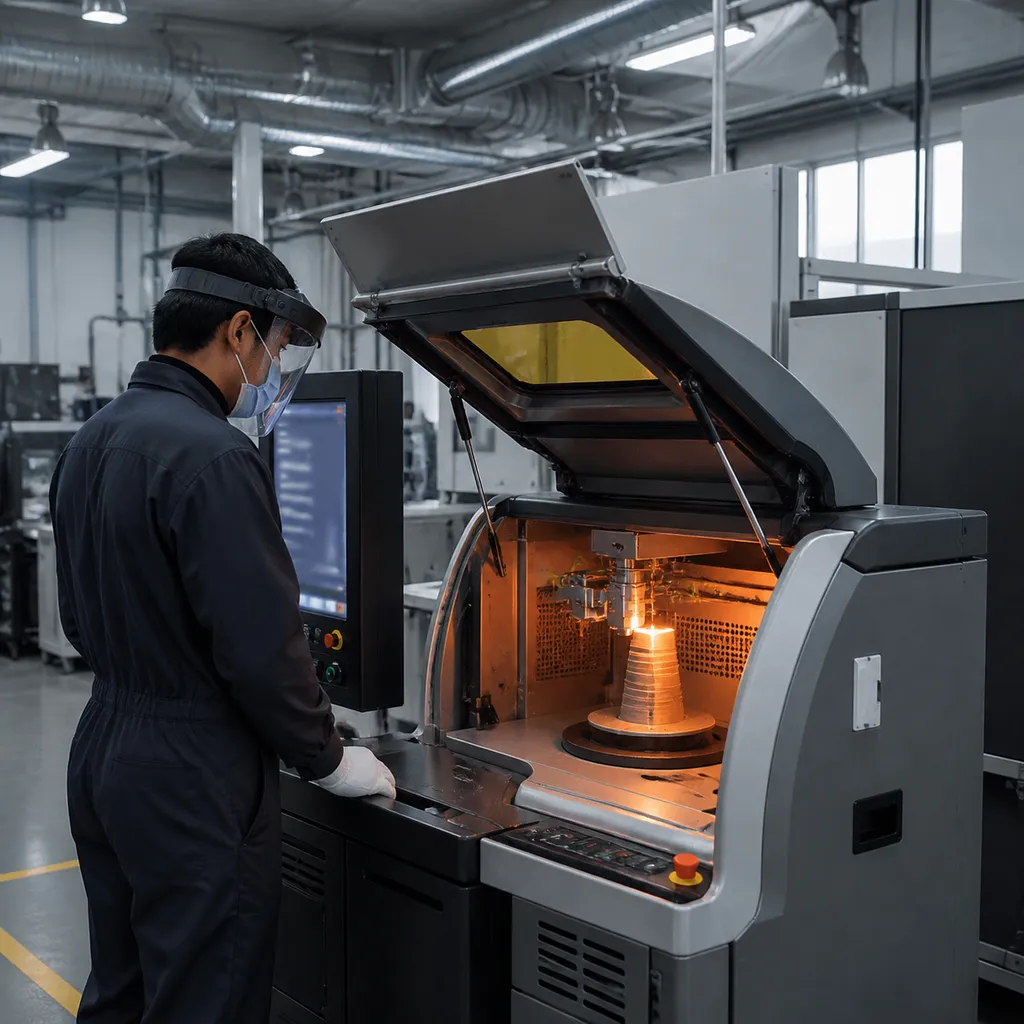
Porosity Elimination in Vacuum Pressure Casting Machines
Achieving a high-quality finish on precious metal parts requires eliminating gas porosity, a common challenge in traditional foundry methods. Our advanced jewelry casting machine utilizes high-precision vacuum-pressure technology to ensure dense, defect-free results in every production cycle. By controlling the physics of the melt and pour, we provide a reliable, porosity-free casting system for professional workshops and industrial manufacturers.
- Dual-Stage Vacuum Evacuation: We utilize rigorous evacuation cycles to completely remove air pockets from both the mold and the melting chamber. This essential step prevents the trapping of ambient gases that lead to structural porosity and pinholes in the final casting.
- Inert Gas Overpressure Injection: Following the vacuum cycle, we apply high-pressure inert gas (argon or nitrogen) over the molten metal. This force pushes the alloy into the finest filigree, micro-pave settings, and sharp prong details, ensuring 100% mold filling without voids.
- Oxygen-Depleted Shielding: By melting within a sealed, inert atmosphere, we eliminate surface oxidation and the formation of fire scale. This ensures that gold, silver, and platinum alloys maintain their purity and luster without the need for aggressive post-casting cleanup.
- Precision Pouring Mechanics: We provide optimized casting control through either bottom-pour sealing rods or tilt-pour systems. Bottom-pour mechanics are specifically engineered to hold back slag and impurities, ensuring that only pure, clean molten metal enters the mold, whereas tilt-pour systems offer superior reliability for high-volume, repetitive industrial runs.
Through the integration of these technologies, our vacuum pressure casting machine configurations guarantee consistent, high-yield production that meets the demanding standards of modern fine jewelry manufacturing.
Induction Jewelry Casting Machine Engineering
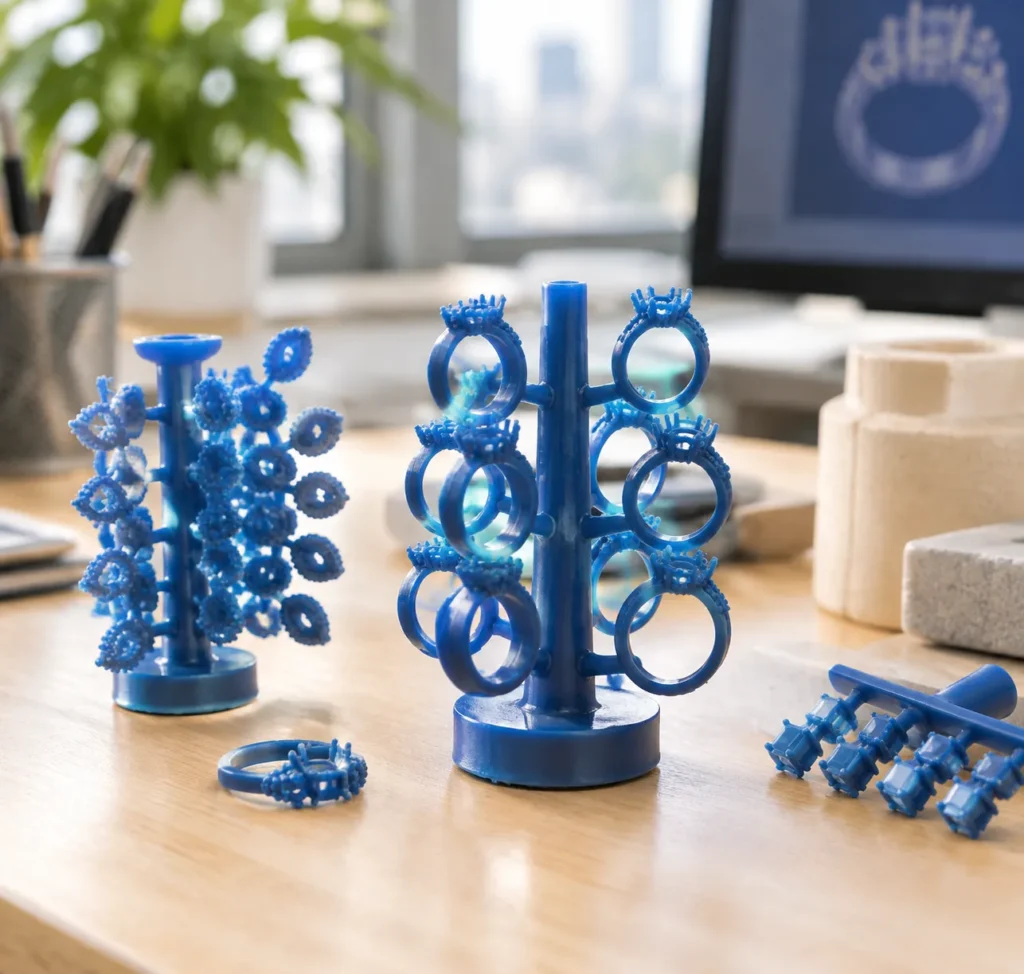
We engineer our casting systems from the frame up to eliminate the mechanical variables that cause failed pours, poor metal density, and alloy separation. By pairing high-frequency power electronics with precision vacuum and atmospheric controls, each machine delivers predictable, repeatable metallurgy in any workshop environment.
IGBT Induction Melting with Automated Electromagnetic Stirring
Traditional resistance coils waste time and cook alloys unevenly. We build our jewelry casting machine lines with high-efficiency IGBT induction heating generators that deliver rapid, uniform thermal transfer:
- Fast Melt Cycles: Liquefies standard gold, silver, or brass charges in 2 to 5 minutes, minimizing the metal's exposure to ambient heat.
- Electromagnetic Stirring: The oscillating magnetic field continuously churns the melt pool inside the graphite crucible. This natural eddy-current action guarantees full alloy homogenization, stopping heavy elements like gold or copper from settling at the bottom.
- Consistent Grain Structure: Uniform mixing prevents color streaking and weak spots in the finished tree, matching the thermal reliability found in our standalone induction melting furnace equipment.
Closed-Loop PID Regulation with Dual Optical Pyrometry
Overheating metal burns out master alloys, while pouring too cold results in short shots and incomplete prongs. We solve thermal variance through responsive closed-loop regulation:
- Dual-Monitoring Sensors: High-precision optical pyrometers read surface melt temperatures through sealed sight glass, paired with high-temperature thermocouples to monitor chamber heat.
- Zero Overshoot: The digital PID controller modulates induction power in real time as the melt approaches the target setpoint, holding temperatures steady within ±2°C.
- Gemstone Protection: Tight thermal stability prevents sudden thermal shocks that crack diamonds and sapphires during cast-in-place production runs.
High-Flow Rotary Vane Vacuum and Rapid Gas Backfill
Flawless casting demands the complete removal of air before metal touches the investment mold. Our vacuum-pressure layout relies on a heavy-duty pneumatic architecture:
- Dual-Chamber Evacuation: High-flow rotary vane vacuum pumps rapidly pull down both the melting and flask chambers, eliminating trapped air pockets and flask backpressure.
- Inert Gas Shielding: An integrated gas inlet floods the melt chamber with argon or nitrogen to create an oxygen-depleted barrier that stops fire scale and surface oxidation.
- Pneumatic Pressure Pulse: The moment metal pours, the system switches instantly from vacuum suction to positive inert gas overpressure, driving the molten charge deep into ultra-thin filigree and micro-prong cavities.
Touchscreen PLC Recipe Memory for Multi-Alloy Storage
Operator inconsistency creates scrap. We integrate industrial programmable logic controllers (PLCs) with intuitive color touchscreens so your shop can standardize every melt:
- Multi-Alloy Profiles: Store dedicated casting recipes for 10K, 14K, 18K, 24K gold, 925 sterling silver, platinum, brass, and bronze.
- Programmable Parameters: Lock in precise melt temperatures, vacuum dwell times, gas backfill pressures, and post-pour cooling hold durations.
- One-Touch Execution: Once the flask is loaded and the crucible charged, the operator selects the recipe and initiates the cycle. The induction jewelry casting machine automates the entire melting, pouring, and pressurization sequence without manual guesswork.
Jewelry Casting Machine Technical Sizing and Specifications
Selecting the correct jewelry casting machine comes down to matching crucible volume, thermal output, and electrical capacity with daily shop workflow. We build our equipment to cover both nimble custom studios and continuous multi-shift production plants, ensuring every gram of alloy is melted and poured under optimized thermodynamic control.
Studio Benchtop Machines vs. Industrial Factory Units
Choosing between a compact benchtop system and a floor-standing industrial machine depends on daily flask volume and workspace infrastructure:
- Compact Benchtop Casting Machines: Engineered for boutique ateliers, custom design studios, and R&D facilities. These units feature an integrated, small-footprint chassis that sits directly on a reinforced workbench. They give custom jewelers the exact same vacuum-pressure metallurgy as industrial units without requiring massive factory floor modifications.
- Industrial Floor-Standing Casting Units: Designed for large-scale jewelry manufacturing plants and precious metal refiners. These heavy-duty frames house larger power transformers, reinforced chamber seals, and advanced pneumatic actuators built to handle back-to-back casting cycles all day without heat saturation.
Crucible Capacity Ranges for Gold, Silver, and Platinum
Crucible geometry and volume dictate batch efficiency. Because metal densities differ significantly, crucible capacities are measured based on specific alloy weights:
- Compact & Studio Units: Sized for 1 kg to 2 kg (18K gold equivalent). These crucibles minimize metal holdup and are optimized for fast changeovers between yellow gold, white gold, and sterling silver.
- High-Capacity Factory Units: Sized for 3 kg, 5 kg, and up to 8 kg+ (gold equivalent). These large-volume graphite crucibles are built for multi-tree production trees, casting multiple rings and heavy bangles in a single shot.
- Platinum & High-Temp Setups: Utilize specialized ceramic or zirconia crucibles sized typically from 200 g up to 1 kg, keeping molten platinum tightly focused in the induction field for clean pouring.
Maximum Heating Temperatures and Melt Cycle Durations
Melting speed directly affects alloy chemistry; prolonged exposure to heat burns off grain refiners and zinc deoxidizers. Our IGBT induction systems ramp up quickly to target temperatures:
- Standard Precious Metal Units (Gold, Silver, Brass, Bronze): Maximum temperature reaches 1600°C. Typical melt cycle duration is 2 to 5 minutes, rapidly taking room-temperature charges to liquidus without burning out essential master alloys.
- High-Temperature Units (Platinum, Palladium, Stainless Steel): Maximum operating temperatures range from 2000°C to 2600°C. High-frequency power delivery liquefies refractory metals in under 2 minutes, preventing oxidation before the bottom-pour or tilt mechanism triggers.
Fast melt profiles ensure that every run meets rigorous casting quality standards by preventing alloy segregation and high-temperature gas absorption.
Closed-Loop Water Chiller and Power Phase Requirements
Induction casting requires steady electrical supply and aggressive thermal dissipation to protect the power electronics and induction coils:
- Closed-Loop Industrial Water Chiller: Every machine requires an active water chiller connection to circulate coolant through the IGBT transistors, melting coils, and chamber vacuum flanges. Operating water pressure should maintain a steady 2 to 4 bar with coolant temperatures held between 18°C and 25°C to eliminate condensation inside electrical cabinets.
- Electrical Service & Phase Balancing:
- Benchtop Units: Run on 220V Single-Phase connections drawing 5 kW, making them accessible for commercial retail shops and small studios.
- Industrial Floor Models: Require 380V to 415V 3-Phase power supplies, pulling between 7.5 kW and 15+ kW to drive high-capacity melts and sustain rapid back-to-back cycles.
| Machine Classification | Crucible Capacity (18K Gold) | Max Operating Temp | Input Power Rating | Melt Cycle Duration | Facility Requirements |
|---|---|---|---|---|---|
| Studio Benchtop | 1 kg – 2 kg | 1600°C | 5 kW (220V, 1-Phase) | 3 – 5 minutes | Dedicated 30A line, compact water chiller, Argon/N2 line |
| Industrial Production | 3 kg – 8 kg+ | 1600°C | 7.5 kW – 15+ kW (380V–415V, 3-Phase) | 2 – 4 minutes | 3-Phase industrial drop, high-flow water chiller, high-volume inert gas |
| High-Temp Platinum | 0.5 kg – 1 kg | 2000°C – 2600°C | 10 kW – 15 kW (380V–415V, 3-Phase) | 1 – 2 minutes | High-frequency circuit, dedicated high-capacity chiller, regulated Argon line |
Alloy Compatibility and Precision Jewelry Applications
Every alloy behaves differently under heat and vacuum. We engineer each jewelry casting machine to transition smoothly across diverse metals, from delicate karat golds to ultra-high-temperature platinum and industrial alloys, ensuring reliable fill rates and zero tarnish.
Processing Karat Gold and Sterling Silver Without Tarnish
Preventing fire scale on sterling silver and avoiding zinc boil-off in white or red gold requires strict atmosphere control.
- Complete Oxygen Evacuation: Our vacuum system pulls the melting and flask chambers down before heating, removing ambient oxygen that causes red cuprous oxide scale on silver.
- Inert Shielding: Pure argon backfill blankets the melt, preserving copper, zinc, and silver additions in 9k to 24k gold.
- Clean Surface Finish: Castings come out of the investment clean and bright, dramatically cutting down your pickling and mechanical pre-polishing times.
High-Temperature Platinum, Palladium, and Stainless Steel
Standard resistance furnaces cannot handle high-temperature metals. For these demanding materials, our high-frequency induction units deliver operating temperatures up to 2600°C.
- Refractory Metal Melting: Platinum and palladium melt rapidly without pick-up from the crucible, avoiding grain embrittlement.
- Specialized Alloys: When branching out into contemporary hard metals, our high-temperature systems handle cast stainless steel custom casting alloys and grades with uniform fluidity.
- Slag-Free Bottom Pouring: Heavy metals pour directly from the core of the melt into the flask, trapping surface impurities and oxide skins inside the crucible rather than in your tree.
Cast-in-Place Gemstone Workflows
Casting with pre-set stones demands absolute thermal precision to eliminate thermal shock, clouding, and diamond fracturing.
- Precise Thermal Management: Closed-loop dual PID monitoring controls metal temperature to within exact tolerances, preventing overheated metal from burning stones.
- Controlled Pressure Injection: Instead of an aggressive mechanical push, our secondary gas overpressure gradually compresses the melt into the prongs, seating stones firmly without shifting or crushing them.
- Low-Stress Shrinkage: Programmed cooling stages maintain feed pressure on the sprues, preventing contraction stress around the stone seats.
Filigree, Micro-Pave, and Solid Production Parameters
Different jewelry architectures require tailored temperature, pressure, and vacuum profiles:
| Production Type | Typical Alloys | Flask Temp Range | Machine Focus |
|---|---|---|---|
| Ultra-Thin Filigree | 14k / 18k Gold, 925 Silver | 580°C – 640°C | Rapid vacuum pull with instant argon overpressure to force complete fill before freezing. |
| Micro-Pave Settings | 14k / 18k White Gold, Platinum | 550°C – 620°C | High-precision thermal regulation to ensure prong tips fill completely without burning diamond seats. |
| Heavy Solid Bands & Bullion | Yellow Gold, Brass, Bronze | 450°C – 520°C | Extended directional cooling hold times to eliminate center-line shrinkage porosity in thick sections. |
| High-Temp Rings & Details | Platinum, Stainless Steel | 850°C – 950°C | High-frequency induction melting with bottom-pour discharge for fast, dense cavity fill. |
Operating a Lost Wax Jewelry Casting Machine Step by Step
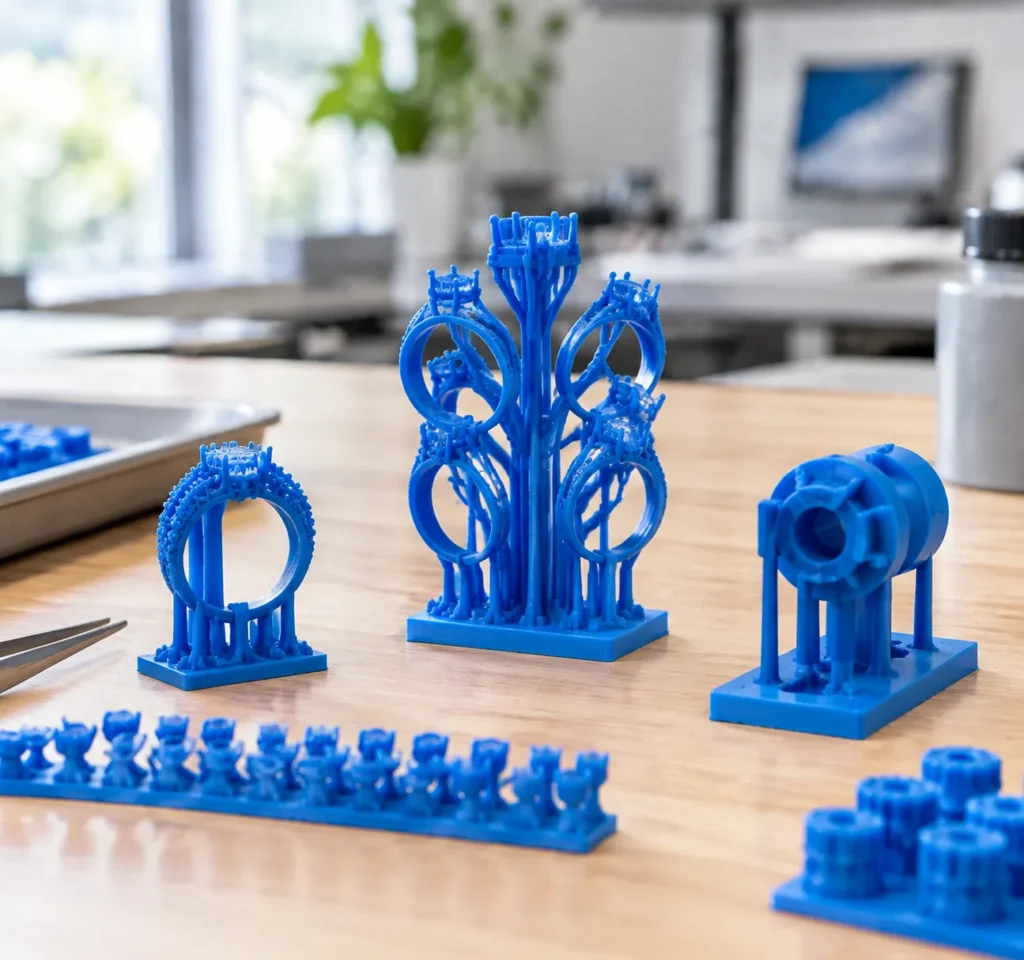
Running an automated jewelry casting machine removes the guesswork from traditional pouring. By following a standardized sequence based on our casting process guide and key steps, we maintain cycle-to-cycle repeatability, preserve fine prong details, and eliminate porosity across every flask.
Burnout Flask Loading and Crucible Metal Charging
Preparation takes less than two minutes before melting begins:
- Load the hot flask: Transfer the fully burned-out investment flask directly from the kiln into the lower casting chamber. Ensure it sits flush against the high-temperature sealing gasket to prevent vacuum leaks.
- Charge the graphite crucible: Place clean alloy grain or clean sprue scrap into the upper crucible.
- Check the sealing mechanism: Ensure the bottom-pour sealing rod is properly centered in the crucible orifice to prevent premature metal leaks.
Chamber Vacuum Draw and Inert Gas Backflush Initiation
Once the chamber door locks, the automated atmospheric purge cycle begins:
- Dual-chamber vacuum evacuation: The high-flow rotary vane pump draws a deep vacuum across both the melting and flask chambers to remove trapped air and ambient oxygen.
- Inert gas backflush: The system injects a controlled volume of argon or nitrogen gas into the melting zone. This protective shielding prevents surface oxidation, dross buildup, and fire scale as the induction heating ramp begins.
Automated Bottom-Pour Discharge and Top-Down Pressure Pulse
Melting and pouring occur without manual torch handling or flask tilting:
- IGBT induction melting: The metal charges quickly to target casting temperature, thoroughly blended by automated electromagnetic stirring.
- Pneumatic bottom pouring: The PLC triggers the pneumatic cylinder to lift the sealing rod, dumping the clean, slag-free molten alloy straight down into the flask sprue.
- Overpressure injection: Immediately as the metal enters the mold, the machine delivers a rapid inert gas pressure pulse over the liquid melt pool while pulling continuous vacuum through the porous investment from below. This pressure differential forces the alloy into ultra-fine filigree, micro-prongs, and tight channels.
Shrinkage Feeding Hold Times and Safe Flask Demolding
The cycle finishes with controlled cooling to ensure dense, defect-free castings:
- Solidification pressure hold: Maintain positive inert gas pressure over the button for 20 to 45 seconds. This holds liquid feeding pressure against the cooling metal, cutting off dendritic shrinkage voids at the sprue junctions.
- Chamber venting: The system automatically exhausts residual gas pressure through silenced exhaust lines once the solidification timer elapses.
- Safe flask demolding: Release the chamber clamps, remove the hot flask using heavy-duty casting tongs, and set it aside for the required bench-cooling interval before final water quenching and investment breakout.
Jewelry Casting Machine Facility Setup and Auxiliary Equipment
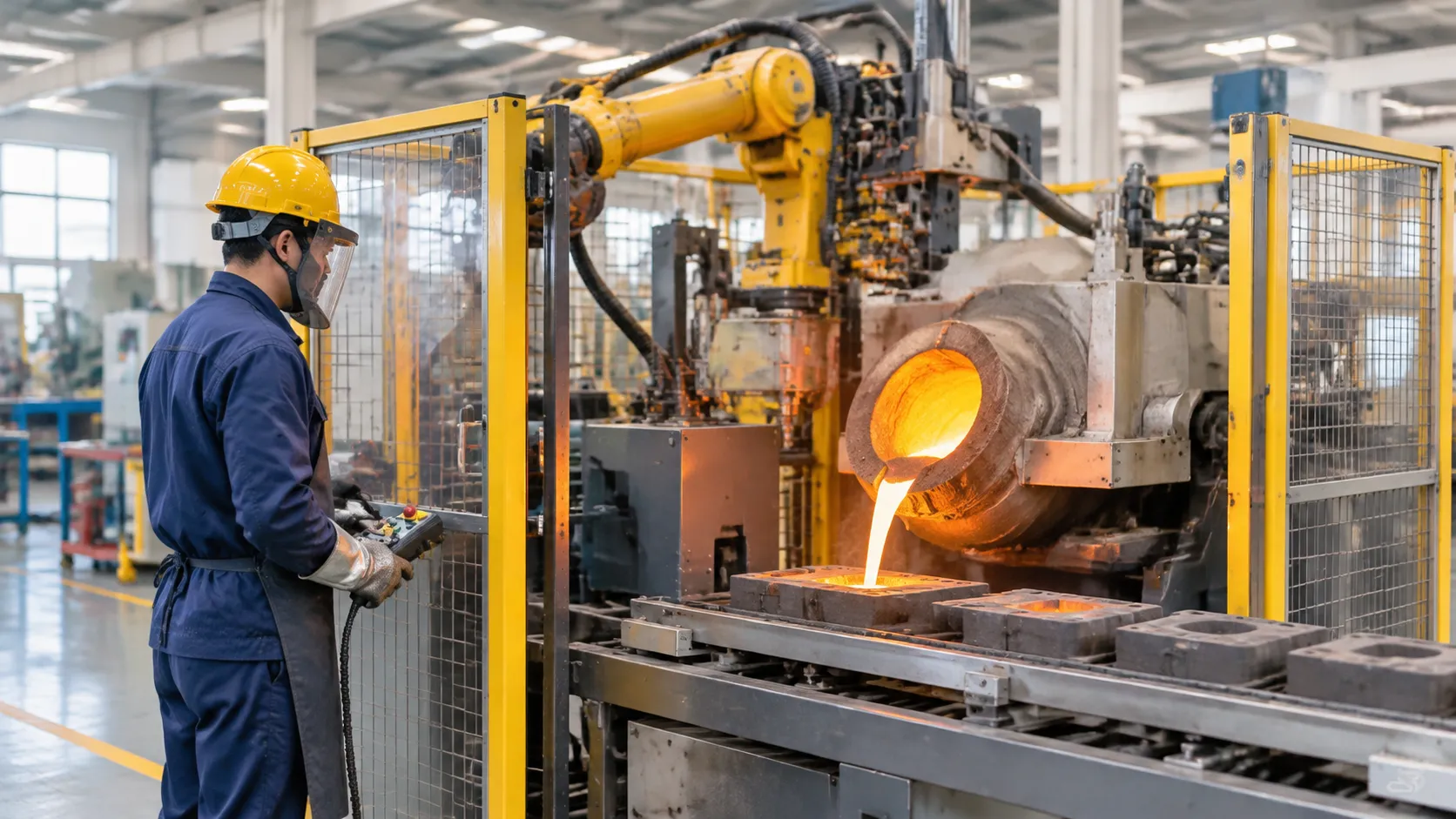
Setting up an industrial jewelry casting machine requires more than just clear bench space. To achieve repeatable, porosity-free results and keep your equipment running shift after shift, your shop infrastructure needs to supply clean power, stable cooling, inert shielding gas, and clean vacuum exhaust.
When configuring your workshop to leverage the full advantage of investment casting over green sand casting and open-air melting methods, we advise setting up the following auxiliary systems before powering on the machine.
Closed-Loop Water Chiller Requirements
Induction heating coils, chamber seals, and vacuum flanges generate rapid thermal buildup. An undersized or unmonitored cooling setup will trigger safety shutoffs or warp high-temperature silicone gaskets.
- Cooling Pressure: Maintain a steady operating pressure between 0.2 and 0.4 MPa to guarantee continuous flow across the induction coil.
- Flow Rates: Ensure your dedicated closed-loop industrial chiller delivers a constant flow of at least 8 to 15 liters per minute depending on machine kW rating.
- Water Quality: Use deionized or distilled water with an anti-corrosion additive to prevent mineral scale deposits inside the induction heating tubes.
- Cutoff Interlocks: Connect the chiller’s signal line directly to our machine’s PLC so power cuts automatically if water flow drops or temperature exceeds 35°C.
Inert Gas Supply and Pressure Regulation
Pressurizing the chamber with pure argon or nitrogen immediately after pouring forces molten metal into fine prongs while preventing surface oxidation.
- Gas Purity: Use industrial-grade or ultra-high purity (99.999%) Argon or Nitrogen. Moisture or oxygen contaminants in the gas line will instantly tarnish hot karat gold and silver.
- Line Sizing: Install high-pressure braided lines or copper hard-piping from the gas cylinder pack directly to the machine inlet.
- Dual-Stage Regulators: Set your incoming line regulator to supply a steady static line pressure (typically 0.4 to 0.6 MPa) so the machine's internal solenoid valves can deliver immediate, high-volume overpressure pulses during casting.
Dedicated Vacuum Exhaust and Mist Filtration
Vacuum pressure casting relies on rapid air evacuation from both the melt chamber and the flask chamber. Handling that volume requires proper exhaust planning:
- Oil Mist Eliminators: Install a dedicated oil mist filter directly on the rotary vane vacuum pump exhaust port to trap aerosolized pump oil before it reaches shop air.
- Ventilation Routing: Run rigid metal or reinforced flexible ducting from the mist filter directly to an external facility exhaust vent.
- Vacuum Hose Integrity: Use wire-reinforced, non-collapsible vacuum hoses between the pump and the casting unit. Standard unreinforced hoses collapse under deep vacuum and restrict airflow.
Electrical Circuits, Phase Balancing, and Grounding
Induction power supplies utilize sensitive IGBT modules that demand clean, balanced electrical input without high-voltage spikes:
- Voltage Configuration: Match machine specifications strictly—standard compact units typically pull 220V single-phase (5 kW to 7.5 kW), while industrial casting systems operate on 380V–415V 3-phase (10 kW to 15+ kW).
- Phase Balancing: Ensure line-to-line voltages on 3-phase setups remain within a ±2% tolerance to avoid thermal stress on the internal rectifiers.
- Dedicated Grounding: Run an isolated copper ground lead directly to the machine chassis. Independent earth grounding prevents high-frequency electromagnetic interference from disrupting digital pyrometer readouts, PLC touchscreens, and nearby digital scales.
Safety Protocols and Factory-Direct Support for Your Jewelry Casting Machine
Operating high-frequency melting coils alongside high-pressure inert gas demands uncompromising workshop safety. We build every jewelry casting machine with multi-layer hardware interlocks, automated diagnostic monitors, and direct factory backing to protect your operators and eliminate production downtime.
Active Machine Protection and Automated Alarms
Our automated control system monitors operating parameters in real time through the integrated PLC, immediately aborting heating or pressurization if thresholds deviate:
- High-Voltage Safety Interlocks: Chamber doors and induction enclosures feature physical limit switches. The power supply instantly disables induction heating if the melting chamber is opened unexpectedly.
- Dual-Zone Thermal Alarms: Optical pyrometers and closed-loop thermocouples track temperature limits to prevent metal boil-over, crucible failure, or induction coil overheating.
- Water Flow Monitoring: Integrated flow sensors track cooling circulation through the induction coils. Heating stops automatically if cooling fluid pressure drops below safe operational levels.
- Mechanical Overpressure Relief: In addition to digital solenoid exhaust valves, an independent pneumatic relief valve prevents accidental over-pressurization during inert gas backfill cycles.
| Safety & Diagnostic System | Protective Action | Operational Benefit |
|---|---|---|
| Coolant Flow Sensor | Cuts induction power immediately upon low fluid flow | Prevents coil burn-out and chiller pump damage |
| High-Voltage Door Interlock | Disables high-frequency generator when open | Eliminates operator exposure to electrical hazards |
| Pneumatic Safety Dump Valve | Vents chamber if gas pressure exceeds rated limits | Protects chamber seals and chamber integrity |
| Thermal Runaway Shutoff | Trips power during abnormal heat curves | Prevents crucible fracture and alloy vapor loss |
Factory Consumables, CE Certification, and Technical Services
Continuous casting runs rely on fast access to wear parts and certified engineering support. To maximize casting density and structural integrity—similar to evaluating standard mechanical tolerances and the difference between forging and casting explained across metal manufacturing—our systems match factory-engineered components to the exact demands of precious metal melting.
- Direct Factory Inventory: We maintain a ready-to-ship stock of high-purity isostatic graphite crucibles, ceramic jackets, quartz sleeves, sealing rods, and high-temp chamber gaskets matched to your machine frame.
- CE Certified Compliance: Every induction jewelry casting machine meets international CE safety standards for low-voltage electrical systems, electromagnetic compatibility (EMC), and pressure-vessel safety.
- Remote Commissioning & Setup: Our engineers provide remote commissioning support to guide your facility through gas line connection, chiller plumbing, and PLC recipe configuration.
- Operator Technical Training: We provide step-by-step casting parameters, flask temperature matching charts, and routine preventive maintenance training for your casting team.
Frequently Asked Questions About Jewelry Casting Machines
How does a vacuum pressure casting machine prevent gas porosity?
Our vacuum pressure casting machine systems use a two-step metallurgical approach to stop porosity before it forms:
- Chamber Evacuation: High-flow vacuum pumps pull trapped air and combustion gasses out of both the melting chamber and the porous investment flask.
- Inert Gas Overpressure: The moment the molten metal enters the flask, the system injects pressurized argon or nitrogen gas directly over the melt pool.
- Complete Compaction: This sudden pressure differential drives dense liquid metal into the deepest cavities while preventing ambient oxygen absorption, completely eliminating shrinkage voids and oxidation.
What is the benefit of a bottom-pour system over centrifugal casting?
A bottom pour casting machine offers far superior process stability and metal purity compared to traditional centrifugal arms:
- Slag Separation: Because lighter oxides and slag float to the surface of the crucible, discharging metal from the bottom via an automated sealing rod guarantees that only clean, pure alloy enters the sprue.
- Controlled Filling: Centrifugal force can generate severe turbulence, mold wall erosion, and asymmetrical metal distribution. Bottom pouring delivers a laminar, uniform flow directly down the central tree.
- Lower Maintenance: Centrifugal setups generate intense mechanical vibration and mechanical wear, whereas a static bottom-pour chamber operates with zero rotational stress.
Can one jewelry casting machine process both gold and platinum?
Standard casting units and high-temperature systems have fundamentally different thermal and crucible requirements:
- Karat Gold and Silver: Our standard gold casting machine configurations heat up to 1600°C using graphite crucibles, which actively provide a reducing atmosphere for yellow, white, and rose gold alloys.
- Platinum and Palladium: Platinum melts above 1768°C and reacts aggressively with carbon. Melting platinum requires our high-frequency platinum casting machine configurations reaching 2000°C to 2600°C using specialized ceramic crucibles.
- The Bottom Line: While high-temp systems can be calibrated down, we always advise utilizing dedicated crucibles and coils to prevent cross-contamination between platinum group metals and standard gold or silver alloys.
What auxiliary equipment is required to operate a vacuum casting machine?
To run an efficient, continuous casting line, your workshop needs four essential auxiliary setups:
- Cooling Water Chiller: A dedicated closed-loop industrial chiller to maintain safe operational temperatures for the induction power supply and heating coils.
- Gas & Vacuum Infrastructure: High-purity argon or nitrogen gas cylinders equipped with two-stage regulators, paired with a heavy-duty rotary vane vacuum pump.
- Burnout Muffle Furnaces: Accurate programmable kilns to eliminate wax residues and bring flasks up to precise casting temperatures.
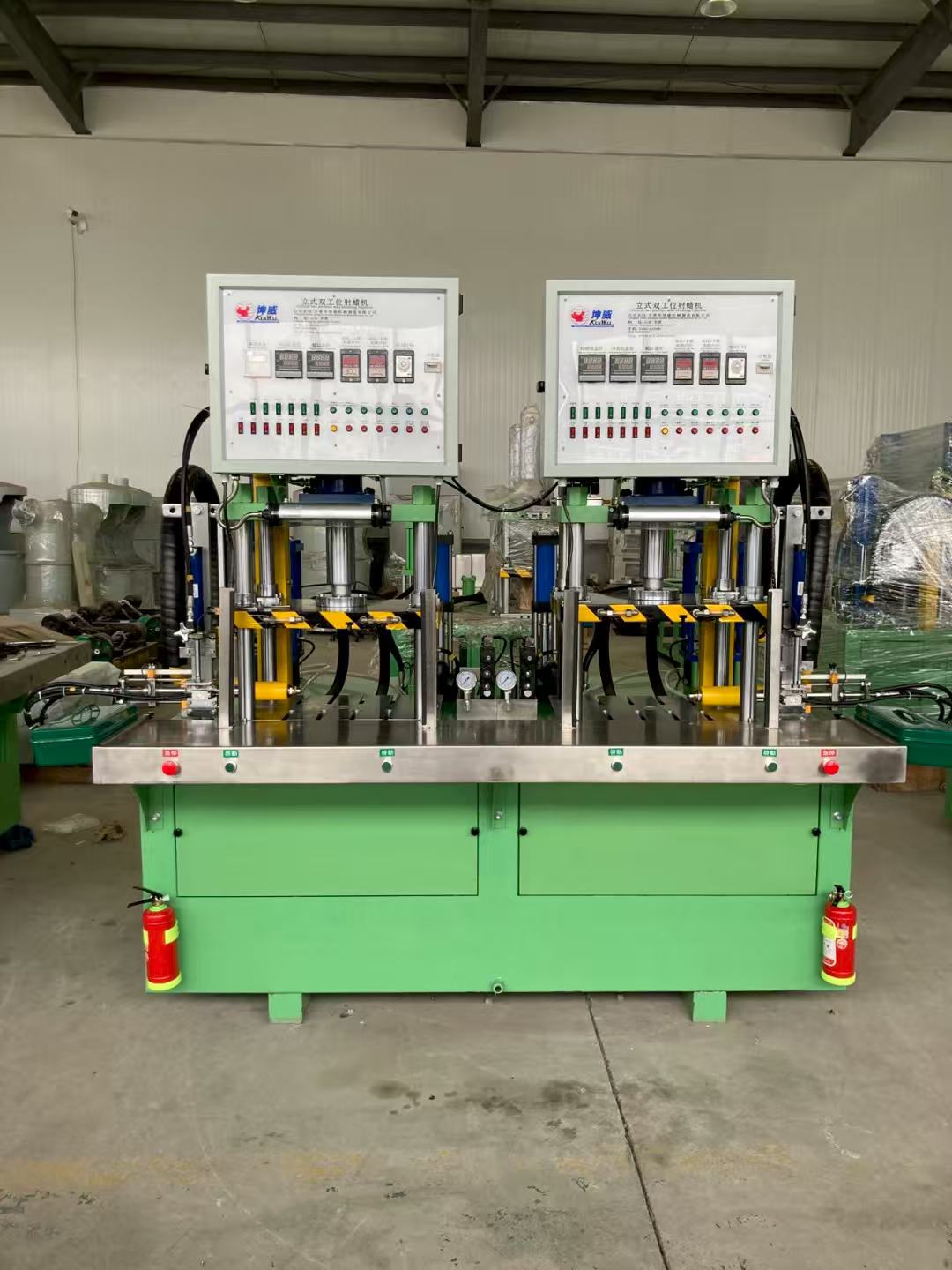
- Pattern Production: Consistent wax trees prepared with upstream tooling, such as an automatic wax machine for precision investment casting, to guarantee dimensional accuracy prior to investing.
How do automated casting recipes protect stones during cast-in-place work?
Cast-in-place gemstone workflows demand extreme thermal precision to prevent thermal shock, fracture, or stone discoloration:
- Dual Optical Pyrometry: Our integrated closed-loop PID controllers monitor alloy temperature with exact precision, ensuring metal never overheats beyond the liquidus point.
- Multi-Stage Pressure Ramping: Programmable touchscreen PLC systems allow casters to tailor the gas injection curve. By ramping pressure smoothly rather than blasting the mold face, the machine avoids shifting delicate prongs or shattering pre-set diamonds.
- Stored Flask Parameters: You can save exact melt and hold times for specific stone-setting jobs, maintaining repeatable thermal parameters from the first flask to the last.
 English
 Russian
 German