
2026年9月21日
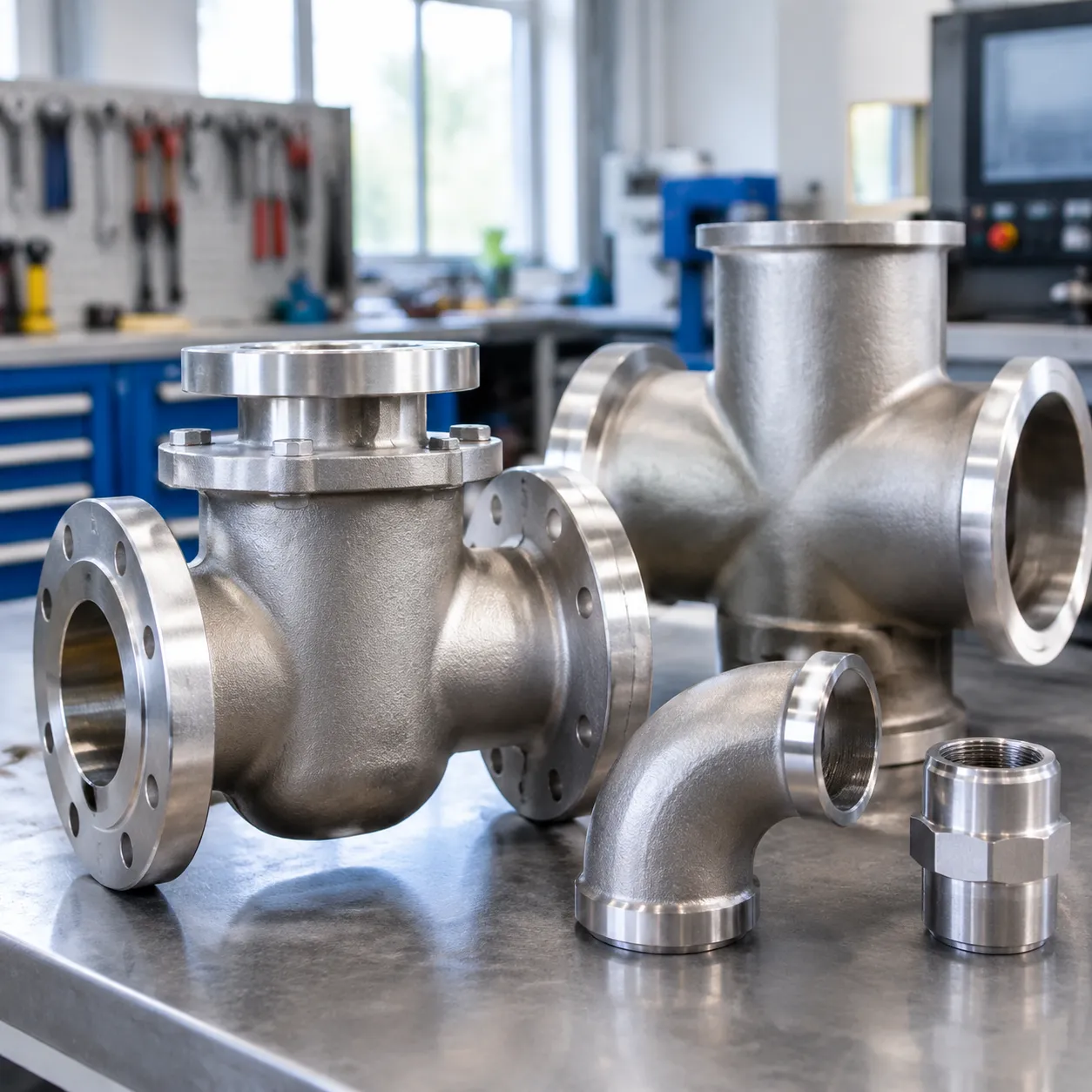
Durable casting valve engineered for reliable flow control corrosion resistance and long lasting performance in demanding industrial applications
What Is a Casting Valve and How Does It Work?
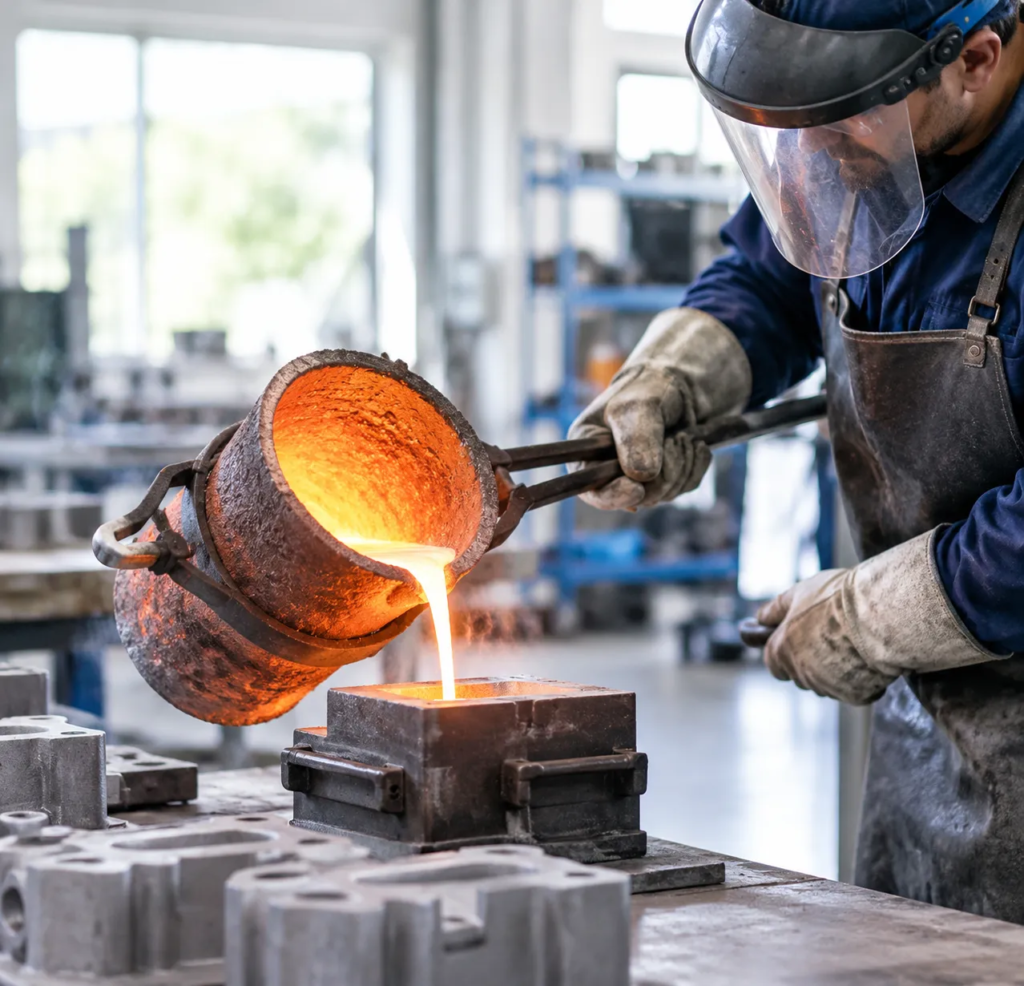
A casting valve is an industrial flow control device manufactured by pouring molten metal into a custom-engineered mold cavity. In our manufacturing facilities, we utilize this method to produce robust, pressure-retaining valve housings that regulate, isolate, or throttle fluid and gas flow across complex piping networks.
Once the molten alloy cools and solidifies inside the mold, it forms a near-net-shape component that requires minimal secondary machining.
[Pattern Making] ➔ [Mold Preparation] ➔ [Molten Metal Pouring] ➔ [Solidification] ➔ [CNC Precision Machining]
Key Structural Components Formed by Casting
- Valve Body: The primary pressure boundary that connects to the pipeline and contains the internal flow paths.
- Bonnet: The top cover mounted to the body, securing the stem, packing, and internal trim components under pressure.
- Disc or Closure Member: The movable internal part (such as a gate wedge, globe plug, or ball) that directly stops or modulates process flow.
Casting Valves vs. Machined Solid Stock
While machined bar stock valves work well for small, simple fittings, casting remains the superior choice for complex industrial flow control applications.
| Feature | Casting Valve | Machined Solid Stock Valve |
|---|---|---|
| Internal Cavity Complexity | High; accommodates smooth, contoured, low-turbulence flow paths | Low; restricted to straight, drilled bore lines |
| Material Waste | Minimal; molten metal fills exact net-shape cavities | High; significant material removed via subtractive cutting |
| Size Capability | Available from 2 inches up to 60+ inches | Generally limited to compact sizes below 2 inches |
| Production Economics | Cost-effective for medium-to-high volume production | High tooling and machining cost per unit |
| Wall Thickness Uniformity | Engineered variations optimize structural pressure points | Uniform or limited by bar stock dimensions |
Common Valve Casting Methods and Manufacturing Processes

Selecting the right valve casting process directly impacts pressure containment, dimensional accuracy, and production costs. We utilize several primary casting methods depending on the valve type, alloy, size, and operational pressure.
+---------------------+-------------------------------+-----------------------------------+ | Casting Method | Ideal Valve Size & Pressure | Primary Advantages | +---------------------+-------------------------------+-----------------------------------+ | Sand Casting | DN50 to DN2000+ (All classes) | Cost-effective for large bodies | | Investment Casting | DN15 to DN100 (Up to PN420) | High precision, smooth finish | | Shell Mold Casting | DN25 to DN300 (Class 150-600) | Tight tolerances, low porosity | | Die Casting | DN10 to DN50 (Low pressure) | Rapid cycle times, non-ferrous | +---------------------+-------------------------------+-----------------------------------+
Sand Casting for Heavy-Duty and Large-Diameter Valves
Sand casting is our standard method for manufacturing heavy-duty, large-diameter cast steel valve bodies, bonnets, and large gate or check valve housings. Process: Molten alloy is poured into bonded sand molds formed around wooden or metal patterns. Best For: Wall thicknesses exceeding 20 mm and valve diameters up to DN2000+. Efficiency Boost: We often implement 3D printed sand mold for rapid precision casting to bypass traditional pattern tooling, drastically shortening turnaround times for custom prototypes.
Investment Casting (Lost Wax) for High-Precision Components
Investment casting delivers superior dimensional accuracy and exceptional surface finishes (Ra 3.2 to 6.3 µm). Process: Wax patterns are injected, assembled into a tree, dipped into ceramic slurry, melted out, and backfilled with molten alloy. Best For: Compact investment casting valve body designs, internal discs, ball valve cores, and complex trims in stainless steel or alloy grades. Capabilities: Our dedicated investment and precision casting services for metal parts ensure net-shape geometry, reducing downstream machining by up to 60%.
Shell Mold Casting for Smooth Surface Finish and Tight Tolerances
Shell molding uses resin-coated sand cured over heated metal patterns to create thin, rigid molds. Tolerances: Holds tighter tolerances (CT6 to CT8) than green sand. Surface Quality: Delivers smoother flow channels with minimal boundary turbulence. Application: Ideal for medium-sized industrial ball, globe, and check valve bodies where uniform wall thickness is critical.
Die Casting Techniques for Non-Ferrous and Low-Pressure Valves
Die casting utilizes reusable steel dies under high hydraulic pressure to inject molten non-ferrous metals. Materials: Primarily used for aluminum, brass, and zinc alloys. Application: Best suited for HVAC valves, pneumatic actuators, gas regulator bodies, and low-pressure utility lines requiring high-volume output and thin-walled consistency.
Post-Casting Heat Treatment, CNC Machining, and Surface Finishing
Raw castings undergo rigorous post-processing before assembly: Heat Treatment: Normalizing, quenching and tempering, or solution annealing to relieve internal casting stress, eliminate brittle structures, and improve ductility. CNC Machining: Multi-axis CNC centers turn flange faces, drill bolt holes, machine bonnet gasket surfaces, and finish tight-tolerance seat pockets. Surface Finishing: Shot blasting to remove ceramic/sand residues, followed by acid pickling, passivation for stainless alloys, and epoxy or thermal spray coatings for carbon steels.
Materials Used in Casting Valve Manufacturing
Choosing the right alloy determines how well a casting valve holds up against line pressure, extreme temperatures, and corrosive media. We cast valve bodies in several core material families depending on the operating environment and fluid compatibility.
Cast Carbon Steel Grades (WCB, WCC, LCB)
Cast carbon steel is the standard workhorse for general industrial and pipeline flow control. ASTM A216 WCB / WCC: The most common grades for non-corrosive industrial applications, steam lines, and oil and gas networks up to 800°F (425°C). A standard WCB casting valve delivers excellent weldability and structural strength. ASTM A352 LCB / LCC: Formulated for low-temperature service down to -50°F (-46°C), retaining high impact toughness in cryogenic and cold-climate environments.
Cast Stainless Steel Grades (CF8, CF8M, CF3M)
For aggressive chemicals, acids, and sanitary environments, we produce cast stainless valves matching critical pipeline requirements. You can evaluate our available cast stainless steel custom casting alloys and grades to match exact metallurgy needs. CF8 (Cast 304): Resists oxidation, organic chemicals, and general corrosive media in food, beverage, and utility processes. CF8M (Cast 316): Contains 2% to 3% molybdenum to resist pitting corrosion from chlorides and sea air. A stainless steel CF8M cast valve is the standard choice for refining, marine, and chemical pipelines. CF3 / CF3M (Cast 304L / 316L): Low-carbon equivalents engineered to prevent carbide precipitation during post-weld field installations. For detailed material comparisons, check our casting stainless steel guide for buyers and engineers.
Cast Iron and Ductile Iron
Iron castings provide economical flow control for low-pressure municipal, HVAC, and industrial utility lines: Grey Iron (ASTM A126): Ideal for non-shock, low-pressure applications like a basic cast iron gate valve in wastewater pipelines. Ductile Iron (ASTM A395 / A536): Spheroidal graphite structure delivers higher tensile strength and impact resistance, making it standard for high-performance municipal water mains and a reliable ductile iron butterfly valve.
Alloy Steels and Duplex Stainless Steel
For extreme chemical processing, sour gas (H2S), and ultra-high pressures, standard grades fall short: Duplex & Super Duplex (CD4MCu, 4A, 5A, 6A): Offers double the mechanical strength of austenitic stainless steel paired with exceptional resistance to stress corrosion cracking. Nickel Alloys (Hastelloy, Monel, Inconel): Built for concentrated sulfuric acid, hydrofluoric acid, and severe sour-gas oilfield extraction. Chrome-Moly Steels (WC6, WC9, C5, C12): Resist creep, erosion, and graphitization in high-temperature boiler lines and power generation.
Bronze and Brass Castings
Copper-based castings handle raw seawater, cooling water systems, and firefighting lines. Aluminum Bronze (C95800): Superior resistance to biofouling, cavitation, and marine corrosion on offshore rigs and cargo vessels. Tin Bronze & Leaded Red Brass (C83600): Reliable, cost-effective options for commercial plumbing, low-pressure sea-chest valves, and potable water distribution.
| Material Group | Typical Casting Grade | Max / Min Temp Range | Primary Valve Application |
|---|---|---|---|
| Carbon Steel | ASTM A216 WCB | -29°C to 425°C | Oil & gas, steam lines, general process |
| Low-Temp Steel | ASTM A352 LCC | -46°C to 345°C | Cold climate pipelines, cryogenic transport |
| Stainless Steel | ASTM A351 CF8M | -196°C to 538°C | Chemical plants, food processing, marine |
| Ductile Iron | ASTM A536 65-45-12 | -20°C to 350°C | Municipal water distribution, utility systems |
| Bronze Alloy | ASTM B148 C95800 | -196°C to 260°C | Seawater systems, offshore platforms, shipboard |
Popular Types of Casting Valves and Their Uses
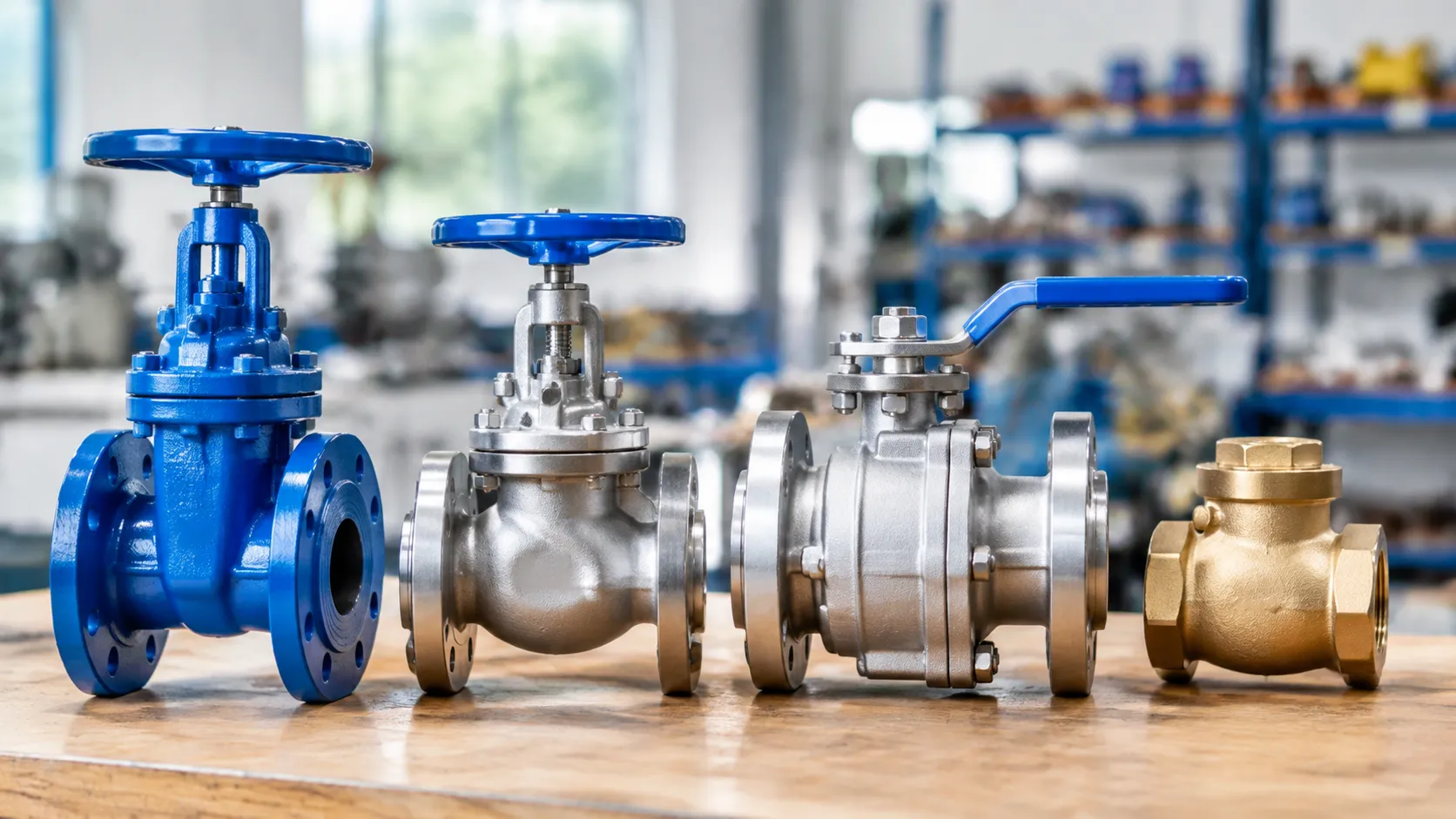
Different pipeline operations demand distinct flow characteristics, pressure ratings, and shutoff speeds. By using specialized foundry methods, we manufacture several standard casting valve designs tailored for specific industrial duties.
Cast Steel Gate Valves
Cast steel gate valves provide full-bore on/off isolation with straight-through flow paths. When fully open, the gate retracts entirely out of the fluid stream, resulting in minimal pressure drop and reduced turbulence across the pipeline. Best used for: Main process lines, high-pressure steam distribution, and crude oil pipelines where uninterrupted flow is required. Common materials: ASTM A216 WCB casting valve bodies and CF8M stainless steel for corrosive service.
Cast Globe Valves
Globe valves feature an internal S-shaped flow contour that directs fluid through a horizontal seat. This geometry enables precise flow throttling, fine control, and reliable shutoff, though it introduces a higher pressure drop than gate designs. Best used for: Cooling water systems, fuel oil regulation, feed water throttling, and applications requiring frequent cycling. Design standards: Built to ASME B16.34 cast valves specifications to withstand continuous fluid erosion.
Cast Ball Valves
A cast ball valve uses a spherical disc with a center bore to deliver rapid quarter-turn shutoff. Produced via sand casting or precision investment casting, the valve body encloses resilient or metal-to-metal seats to maintain bubble-tight sealing. For aggressive chemical environments, we utilize custom alloys through dedicated nickel casting services for Inconel and Monel. Best used for: Hydrocarbon processing, chemical lines, and gas pipelines needing fast emergency isolation. Configurations: Available in 1-piece, 2-piece, and 3-piece cast body styles conforming to API 6D casting valve standards.
Cast Check Valves
Check valves rely entirely on line pressure and flow velocity to prevent backflow automatically. Casting allows us to form complex internal hinge geometries and flow chambers for various closing mechanisms. Swing Check: Hinged disc swings fully open for standard horizontal flow. Lift Check: Piston or ball guided vertically for high-pressure pulsations. Dual Plate: Spring-loaded split disc providing rapid response and anti-water-hammer protection in compact installations.
Cast Butterfly Valves
Cast butterfly valves utilize a centered or offset rotating disc to regulate or isolate flow in large-diameter piping systems. Their compact, wafer or lugged profile drastically lowers total valve weight and footprint compared to traditional gate valves. Best used for: Municipal water distribution, HVAC cooling loops, seawater lines, and low-to-medium pressure utility pipelines. Common variants: Cast iron gate valve alternatives, resilient-seated ductile iron butterfly valve units, and high-performance triple-offset cast designs.
| Valve Type | Primary Flow Function | Pressure Drop | Typical Seat/Closure Style |
|---|---|---|---|
| Gate Valve | On/Off Isolation | Very Low | Wedge disc to dual body seats |
| Globe Valve | Throttling & Regulation | High | Plug/disc perpendicular to seat |
| Ball Valve | Fast Quarter-Turn Shutoff | Low | Rotational ball against soft/metal seats |
| Check Valve | Non-Return / Anti-Backflow | Moderate | Gravity/spring-assisted disc or flap |
| Butterfly Valve | Compact Isolation / Throttling | Low to Moderate | Centered or eccentric rotating disc |
Casting Valves vs. Forged Valves: Key Differences
When selecting flow control equipment, comparing a cast vs forged valve comes down to size, mechanical stress, internal geometry, and production budget. Both methods produce reliable industrial valves, but their manufacturing methods create distinct metallurgical and operational characteristics.
Structural Integrity, Grain Flow, and Porosity
- Grain Flow: Forging compresses solid steel billets under immense pressure, aligning the directional grain flow along the contours of the valve body. This eliminates voids and yields exceptional impact and fatigue resistance.
- Porosity Control: A casting valve is formed by pouring molten metal into a mold cavity. While modern foundry methods minimize gas porosity and shrinkage voids, cast bodies rely on tight quality control and NDT to guarantee pressure tightness.
- Mechanical Strength: Forged valves handle severe cyclic thermal fatigue better, whereas properly heat-treated cast steel valve bodies offer excellent uniform strength across multidirectional load axes.
Cast vs. Forged Valve Comparison
| Feature | Casting Valve | Forged Valve |
|---|---|---|
| Manufacturing Process | Molten metal poured into sand or ceramic molds | Solid metal shaped under extreme compressive force |
| Common Size Range | 2 inches to 60+ inches (DN50 – DN1500+) | 1/2 inch to 2 inches (rarely above 4 inches) |
| Design Complexity | High; accommodates intricate internal flow paths | Limited; simple shapes, straight-through bodies |
| Pressure Ratings | ASME Class 150 to Class 1500 (Class 2500 custom) | ASME Class 800 to Class 2500+ |
| Grain Structure | Non-directional, isotropic crystalline structure | Directional grain flow following the valve geometry |
| Tooling & Unit Cost | Lower unit cost on large runs and large bore sizes | Higher tooling/machining cost for complex shapes |
Size Capabilities and Design Complexity
Casting allows us to manufacture large-diameter, complex valve bodies—such as globe, dual-plate check, and eccentric butterfly valves—that are virtually impossible or cost-prohibitive to forge. Intricate internal passages, wall transitions, and integral flanges are easily cast in a single mold.
Forging is primarily reserved for compact, small-bore units (typically $\le$ 2 inches) where high-density metal structure is essential to handle extreme pipeline stresses.
Pressure Ratings and Cost Efficiency
Cast valves easily comply with ASME B16.34 cast valves standards across standard industrial pressure ratings (Class 150, 300, and 600), delivering high raw material efficiency and low unit costs. For severe service exceeding Class 1500 in compact sizes, forged units provide unmatched yield strength. Reviewing our casting alloy properties and material selection guide helps match mechanical strength requirements to project budgets without over-specifying components.
How to Choose for Specific Pipeline Projects
- Select Cast Valves When: Your pipeline diameter is 2 inches or larger, the application requires intricate internal contours (such as standard throttling globe valves or large water transmission check valves), or high-volume material savings are critical.
- Select Forged Valves When: You are designing small-bore (under 2 inches) high-pressure steam headers, severe cyclic thermal systems, or critical hydrocarbon injection points where pressures exceed ASME Class 900.
Quality Inspection and Testing Standards for Casting Valves
We maintain strict quality control throughout our manufacturing pipeline to ensure every casting valve meets critical industrial flow control tolerances, pressure ratings, and structural integrity demands.
Non-Destructive Testing (NDT) Methods
NDT verifies internal soundness and surface integrity without compromising the valve body structure: Radiographic Testing (RT): Locates internal shrinkage cavities, gas pockets, and hidden sub-surface voids within thick valve walls. Ultrasonic Testing (UT): Directs high-frequency sound waves through the casting to measure wall consistency and detect internal laminar discontinuities. Magnetic Particle Testing (MT): Exposes surface and near-surface linear cracks on carbon and low-alloy steel valve bodies. Liquid Penetrant Testing (PT): Evaluates non-magnetic stainless steel and non-ferrous valve castings for surface-breaking defects.
Hydrostatic and Pneumatic Testing (API 598 & ISO 5208)
Every valve undergoes rigorous pressure testing before dispatch: Shell Hydrostatic Test: Valve bodies are pressurized with water to 1.5 times the rated cold working pressure (CWP) to confirm shell integrity under pressure. High-Pressure Hydrostatic Seat Test: Assesses back seat and main seat sealing efficiency under design operating pressure. Low-Pressure Pneumatic Seat Test: Utilizes air or inert gas at 80 psi (6 bar) to detect fine leakage across critical sealing surfaces.
Dimensional Verification and ASME B16.34 Wall Thickness
We employ Coordinate Measuring Machines (CMM) and ultrasonic thickness gauges to ensure every casting valve aligns with ASME B16.34 requirements: Minimum Wall Thickness: Verified across critical pressure-retaining sections, neck transitions, and seat pockets. Face-to-Face and Flange Tolerances: Checked against ASME B16.10 and ASME B16.5 to guarantee direct drop-in pipeline fitment.
| Common Casting Defect | Primary Root Cause | Inspection & Prevention Method |
|---|---|---|
| Shrinkage Cavities | Uneven solidification and inadequate riser feeding | RT/UT screening, thermal simulation, optimized gating |
| Gas Blowholes / Porosity | Trapped mold gases or excessive moisture in sand | Spectrometry, degassing, low-moisture binding systems |
| Inclusions | Slag or sand particles entering the melt flow | Ceramic filters, controlled pouring temperatures |
| Cold Shuts | Incomplete fusion of two converging metal streams | High-precision melt control by our sand casting manufacturer for custom metal parts |
Material Traceability and Mill Test Certificates (EN 10204)
Every casting valve is tracked from raw ingot to final assembly via unique heat and lot numbers stamped directly onto the body: EN 10204 Type 3.1 Certification: Provides verified batch chemical analysis (optical emission spectrometry) and mechanical test results (tensile, yield, elongation, and Charpy V-notch impact tests). EN 10204 Type 3.2 Certification: Available for critical offshore and severe-service projects requiring independent third-party inspection verification.
Key Industrial Applications for Casting Valves
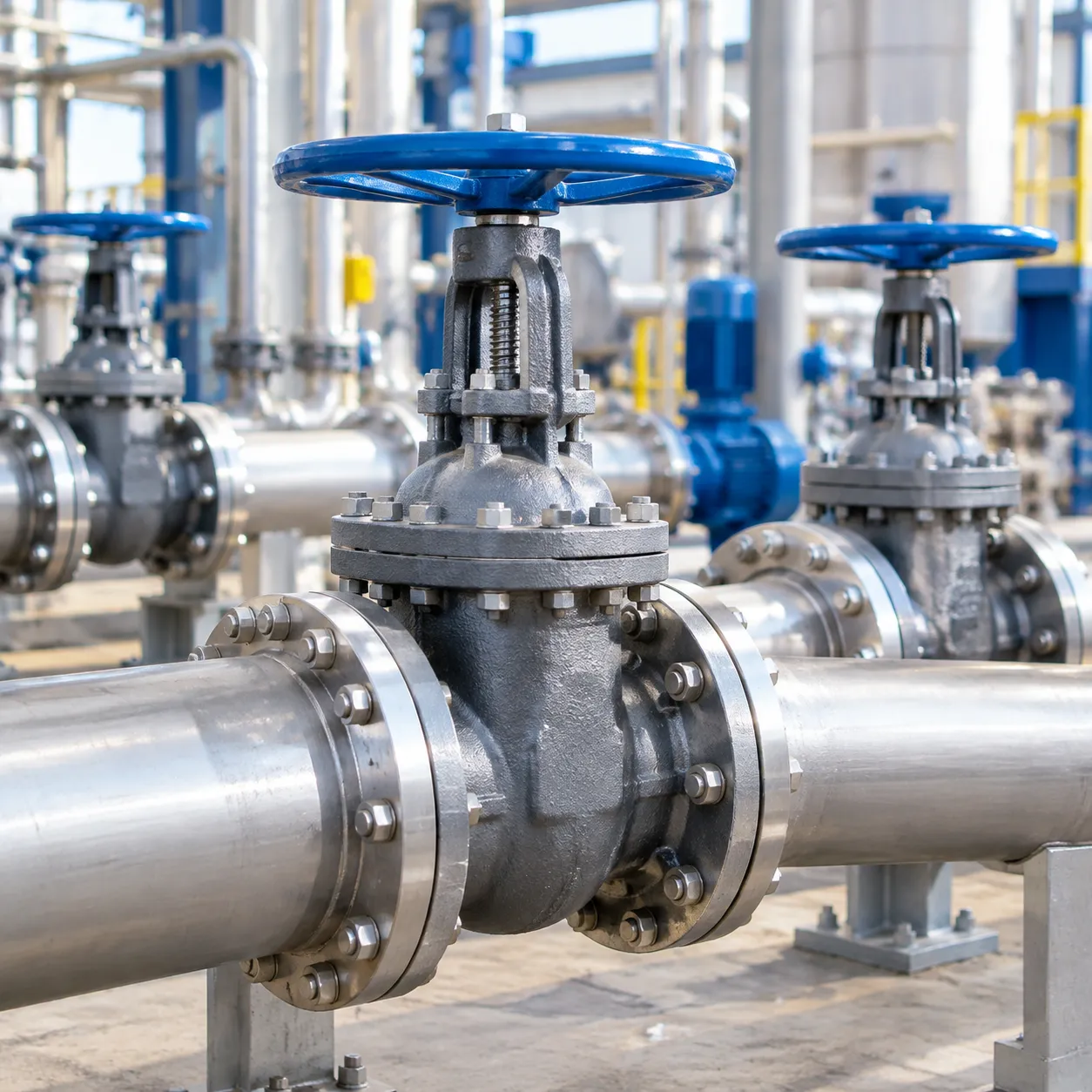
We manufacture and supply casting valve solutions engineered to handle demanding media, variable thermal loads, and extreme line pressures across major global industries. The flexibility of the casting process allows us to deliver optimized body shapes, heavy wall sections, and custom alloy configurations suited for each operating environment.
Oil & Gas Upstream, Midstream, and Refining Pipelines
In the energy sector, reliability under continuous pressure is essential. We supply heavy-duty cast steel valve bodies built to meet API 6D and ASME specifications for onshore extraction, pipeline transport, and refinery processing units.
- Upstream Wellheads & Gathering: Rugged carbon steel (WCB, LCC) casting valve units built to withstand abrasive sand, sour crude, and multiphase fluid streams.
- Midstream Transportation: Large-bore cast gate and ball valves engineered for minimal pressure drop across cross-country crude and natural gas trunklines.
- Downstream Refining: High-temperature cast alloy and stainless steel valves operating inside catalytic cracking, hydrotreating, and coking units.
Chemical and Petrochemical Processing Plants
Chemical facilities require dependable sealing against toxic, volatile, and highly corrosive media. Our casting valve designs eliminate unnecessary joint pathways, reducing leak risks in active process loops.
- Aggressive Acids & Caustics: Stainless steel (CF8M, CF3M) and high-alloy castings provide long-term resistance to nitric, sulfuric, and organic acids.
- Polymer & Solvent Lines: Full-port cast ball and plug valves deliver clean flow paths to avoid product hang-up and polymerization inside the valve body.
Power Generation and High-Pressure Steam Distribution
Thermal, combined-cycle, and nuclear power plants demand components that resist thermal fatigue, creep, and wire drawing. We build high pressure cast valve assemblies designed to maintain structural integrity under high-velocity superheated steam.
- Boiler Feedwater & Main Steam: Heavy-wall alloy cast globe and check valves handle cyclic thermal shock and operating pressures up to ASME Class 2500.
- Severe Service Trims: High-wear seat and disc surfaces are reinforced with cobalt welding alloys for high wear and heat resistance to eliminate erosion caused by flashing and cavitation.
Municipal Water Supply, Wastewater, and Desalination
Utility infrastructure requires economical, long-lasting flow control capable of managing massive fluid volumes with low maintenance requirements.
- Potable Water Transmission: Large-diameter ductile iron casting valve bodies coated with fusion-bonded epoxy ensure sanitary, corrosion-free water delivery.
- Wastewater & Sludge Management: Non-clogging cast iron gate and check valves handle suspended solids and abrasive municipal runoff without binding.
- Seawater Desalination (SWRO): High-grade duplex and super duplex cast valves resist chloride pitting and crevice corrosion across high-pressure reverse osmosis membranes.
Marine, Shipbuilding, and Offshore Platforms
Space limitations, weight considerations, and continuous saltwater exposure define marine valve requirements. We supply compact cast valves certified for shipboard utility systems and offshore production decks.
- Ballast and Bilge Systems: Ductile iron and bronze casting valves provide dependable flow routing for vessel stability and drainage.
- Offshore Topside Processing: Sea-resistant nickel-aluminum bronze and duplex stainless steel valves withstand harsh marine atmospheres and high-pressure hydrocarbon processing on floating production storage and offloading (FPSO) vessels.
| Industry | Primary Fluid Media | Typical Casting Materials | Common Valve Types |
|---|---|---|---|
| Oil & Gas | Crude oil, natural gas, hydrocarbons | WCB, LCB, CF8M | Gate, Ball, Check |
| Chemical | Corrosive acids, solvents, chemicals | CF8, CF8M, Duplex SS | Ball, Globe, Butterfly |
| Power Gen | Superheated steam, boiler feed | WC6, WC9, C12A | Globe, Non-Return Check |
| Water / Utilities | Raw water, treated effluent, brine | Ductile Iron, WCB | Butterfly, Gate, Plug |
| Marine & Offshore | Seawater, marine fuel, cargo | Bronze, Duplex, CF8M | Butterfly, Lift Check, Ball |
How to Choose the Right Casting Valve Supplier and Specification
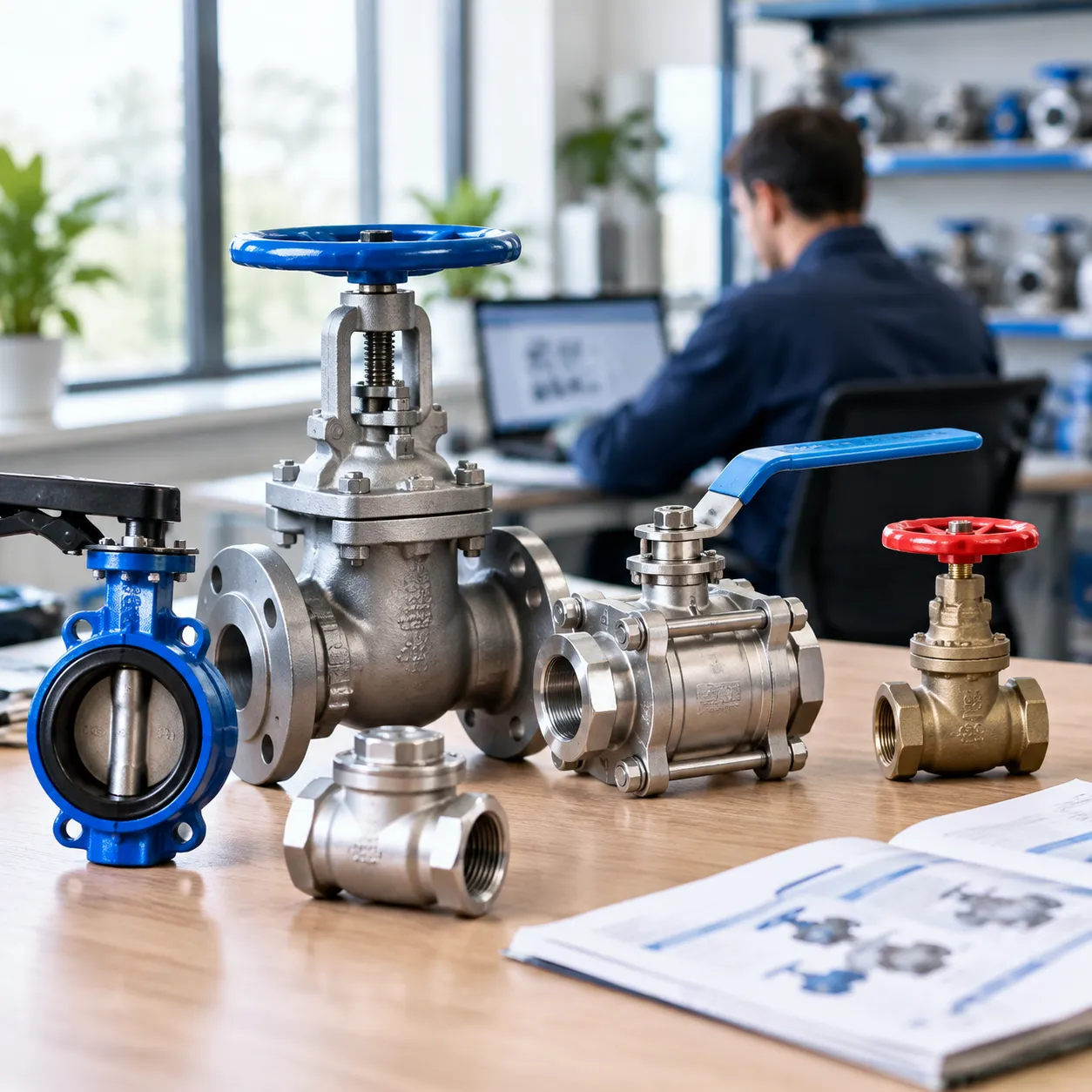
Selecting the right casting valve supplier requires evaluating engineering capabilities, quality certifications, and production limits. We evaluate key technical criteria to ensure every cast valve performs reliably under demanding field conditions.
1. Verify International Valve Standards Compliance
Ensure the valve body casting foundry complies with mandatory global manufacturing and design standards: ASME B16.34: Covers pressure-temperature ratings, minimum wall thickness, and dimensions for ASME B16.34 cast valves. API 6D / API 600 / API 603: Governs pipeline valves and corrosion-resistant bolted bonnet gate valves. ISO 5208 / API 598: Dictates pressure testing protocols for shell and seat leakage. DIN / EN Standards: Essential for metric pipeline integration and European plant compatibility.
2. Evaluate Foundry Capabilities and Machining Tolerances
A dependable supplier must manage both raw casting integrity and precision finishing. We verify in-house mold design, pattern making, and advanced precision casting and CNC machining capabilities to guarantee tight dimensional tolerances on critical flange faces and valve seating areas.
3. Check Lead Times, Tooling Patterns, and MOQs
Review practical production constraints before placing orders: Pattern Ownership and Tooling: Availability of existing patterns for standard sizes, and rapid tooling for custom casting valve designs. Minimum Order Quantities (MOQs): Flexible volume options for custom alloy pours. Production Lead Times: Consistent scheduling across pattern fabrication, pouring, heat treatment, and hydrostatic testing.
4. Match Pressure-Temperature Ratings to Operational Specs
Match the casting material grade directly to pipeline pressure, fluid corrosiveness, and operating temperatures.
| Evaluation Metric | Key Verification Items | Primary Standard / Benchmark |
|---|---|---|
| Material Integrity | Chemical composition, heat treatment, tensile strength | ASTM A216 (WCB), ASTM A351 (CF8M) |
| Pressure Class | Shell wall thickness, flange ratings | ASME Class 150 to 2500 / PN16 to PN420 |
| NDE & Inspection | Radiographic (RT), ultrasonic (UT), dye penetrant (PT) | ASME Section V, EN 10204 3.1 Certs |
| Testing Protocol | Hydrostatic shell test, low-pressure gas seat test | API 598, ISO 5208 |
Frequently Asked Questions About Casting Valves
What Causes Porosity in Casting Valves and How Is It Prevented?
Gas entrapment, mold moisture, turbulent pouring, and shrinkage during cooling cause porosity in casting valves. We prevent these defects by implementing strict process controls:
- Molten Metal Degassing: Vacuum degassing and argon bubbling remove dissolved hydrogen and oxygen before the pour.
- Optimized Gating and Risering: Computer simulation guides the mold design to ensure directional solidification, feeding molten metal continuously into thick sections.
- Controlled Mold Permeability: Sand and investment shell venting allows expanding gases to escape freely.
- Strict Quality Verification: Utilizing advanced stainless steel sand casting services guarantees thorough radiographic and ultrasonic inspection before any casting valve body enters service.
Can Casting Valves Handle High-Pressure and High-Temperature Steam?
Yes. Casting valves designed in compliance with ASME B16.34 and API 600 standards routinely handle superheated steam up to Class 1500 and Class 2500 ratings.
For extreme steam conditions exceeding 450°C (842°F), we utilize chrome-moly alloy cast steels like ASTM A217 WC6 and WC9 or specialized components produced through 17-4 PH investment casting precision stainless steel services to eliminate the risk of thermal creep, embrittlement, and high-velocity steam erosion.
How to Choose Between WCB Cast Carbon Steel and CF8M Stainless Steel?
Selecting between ASTM A216 WCB and ASTM A351 CF8M depends on your media chemistry, temperature limits, and operating environment.
| Selection Factor | WCB Cast Carbon Steel | CF8M Cast Stainless Steel |
|---|---|---|
| Material Base | Plain carbon steel | 316-equivalent austenitic stainless steel (18Cr-8Ni-2Mo) |
| Corrosion Resistance | Low (requires non-corrosive media) | High (resists pitting, chlorides, and acids) |
| Service Temperature | -29°C to 425°C (-20°F to 800°F) | -196°C to 538°C (-320°F to 1000°F) |
| Primary Media | Oil, natural gas, non-corrosive steam, water | Acids, chemicals, seawater, food and beverage lines |
| Relative Cost | Economical baseline | Higher initial investment |
What Is the Expected Lifespan of an Industrial Cast Valve?
Under normal operating conditions and regular maintenance schedules, a properly specified cast valve typically lasts 15 to 30 years.
Key factors influencing valve service life include:
- Fluid Compatibility: Corrosive fluids or slurry media can accelerate wear on standard seats and bodies, requiring corrosion-resistant alloys.
- Cycling Frequency: Frequently operated shutoff valves require scheduled seat, gland packing, and seal replacements.
- Pressure and Temperature Fluctuations: Staying well within the valve's ASME pressure-temperature boundary prevents premature body fatigue and gasket blowouts.
How Do You Repair Minor Casting Defects on a Valve Body?
Foundries address non-structural surface defects, shallow shrinkage, and minor pinholes using standardized, code-approved weld repair procedures governed by ASTM A488 and ASME Section IX:
- Defect Excavation: Grind or gouge the affected area until clean, sound base metal is exposed.
- NDT Verification: Perform Liquid Penetrant Testing (PT) or Magnetic Particle Testing (MT) to ensure the defect is completely removed.
- Weld Deposition: Fill the cavity using qualified weld procedures (WPS/PQR) with chemistry-matched welding consumables.
- Post-Weld Heat Treatment (PWHT): Apply stress-relief heat treatment to restore baseline metallurgical structure and mechanical properties.
- Final Hydrostatic Testing: Subject the repaired valve body to full API 598 pressure testing to verify zero shell leakage.
 English
  Russian
  German