
2026年9月18日
Explore SS 410 material property including strength hardness corrosion resistance heat treatment and applications for informed steel selection
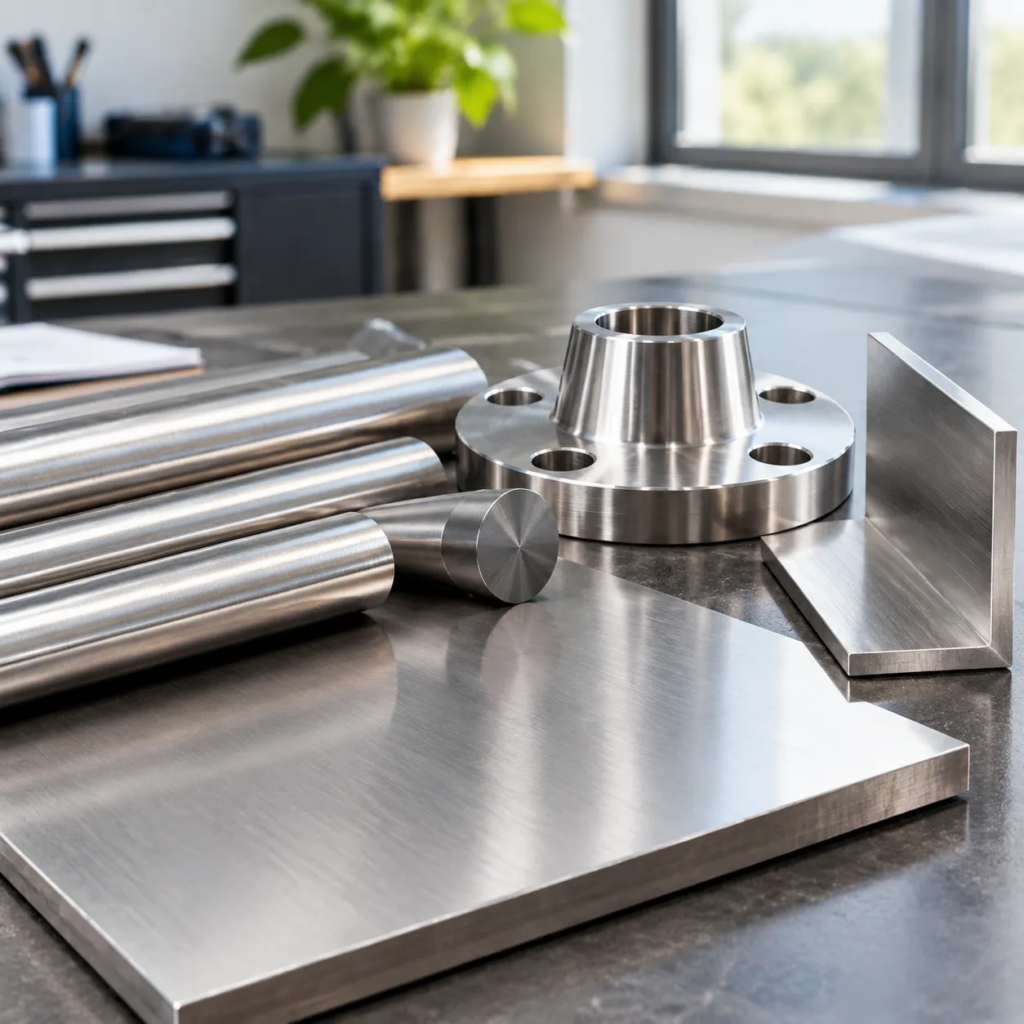
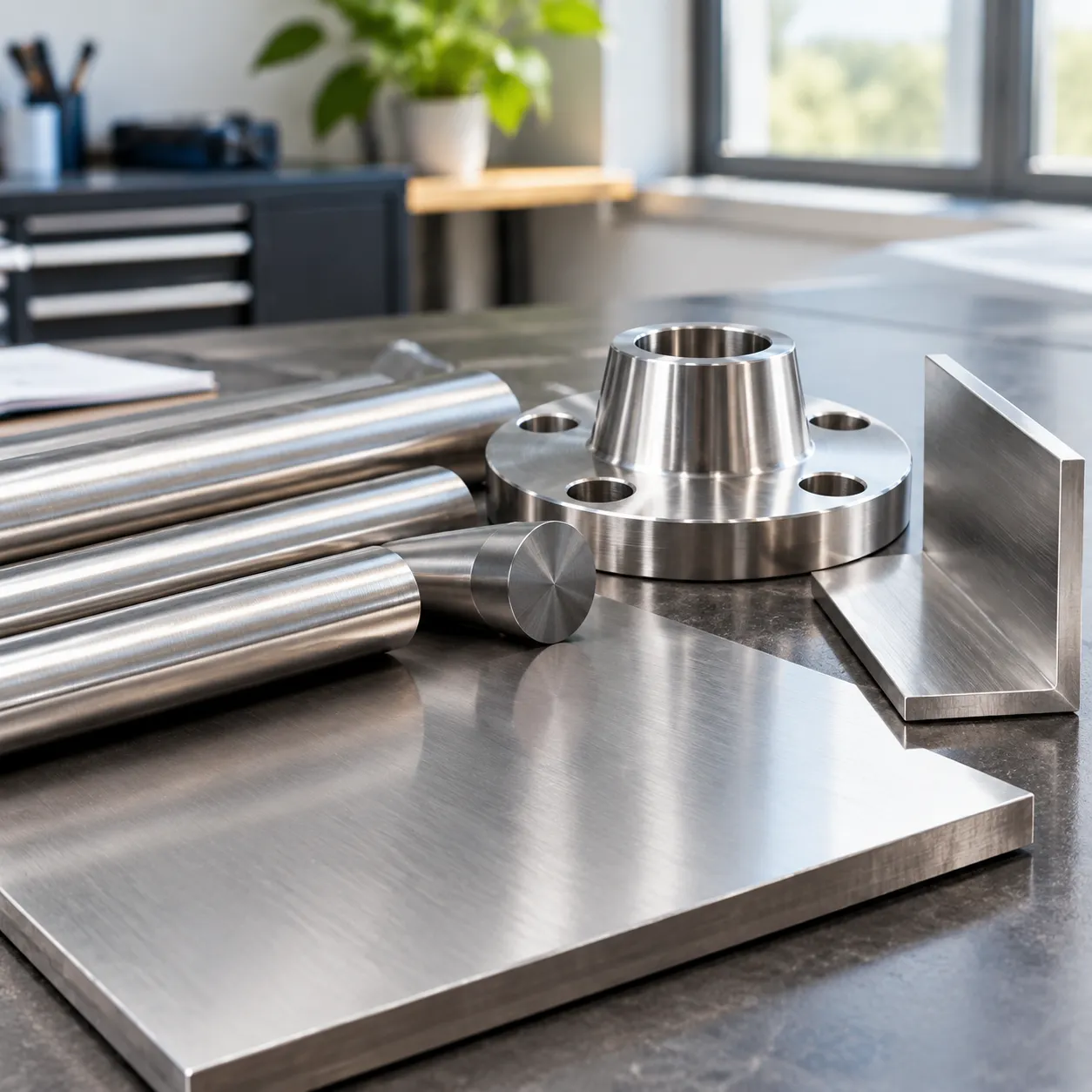
Product Overview: AISI / ASTM 410 Martensitic Stainless Steel
AISI 410 (UNS S41000) is the foundational, general-purpose alloy of the martensitic stainless steel family. Engineered with an 11.5% to 13.5% chromium content, this grade delivers a versatile baseline ss 410 material property profile that balances mechanical strength, heat-treatable hardness, wear resistance, and moderate corrosion protection.
Unlike austenitic grades, martensitic stainless steel 410 responds directly to thermal hardening cycles (quenching and tempering), allowing engineers to dial in specific tensile levels, toughness, or surface hardness depending on operational demands.
Core Metallurgical Characteristics
- Microstructure & Hardening: Features a martensitic structure that transforms upon air or oil quenching from austenitizing temperatures, reaching high hardness and load-bearing strength.
- Corrosion Performance: Provides solid resistance against atmospheric conditions, freshwater, steam, and mild chemical environments when polished, passivated, or fully hardened.
- Wear and Erosion Resistance: High carbon-to-chromium balance offers dependable resistance against abrasive wear, galling, and mechanical erosion.
- Magnetic Nature: Fully ferromagnetic in both annealed and heat-treated conditions.
Available Product Supply Forms
We supply and process AISI 410 stainless steel across standard and custom mill forms to support direct manufacturing and precision CNC machining requirements:
| Product Form | Dimensional Range / Typical Specs | Common Delivery Conditions |
|---|---|---|
| Round Bars & Rods | Diameter: 6 mm – 450 mm | Annealed, Quenched & Tempered (Q&T), Centerless Ground |
| Plates & Sheets | Thickness: 0.5 mm – 100 mm | Hot Rolled, Cold Rolled, Annealed, Descaled (1D / 2B) |
| Forgings & Blocks | Custom forged rings, shafts, step blocks | Normalized, Annealed, Rough Machined |
| Precision Components | Custom CNC turned/milled parts | Finish-machined to drawing, Hardened & Ground |
Chemical Composition of SS 410 Material
The fundamental ss 410 material property profile relies on a tightly controlled chemical balance governed by standard industry specifications, including ASTM A276, ASTM A240, and UNS S41000. As a general-purpose martensitic grade, its chemistry balances essential corrosion resistance with strong heat-treat response.
Grade 410 Chemical Composition Breakdown
| Element | Min (%) | Max (%) | Primary Function |
|---|---|---|---|
| Chromium (Cr) | 11.50 | 13.50 | Passivation layer formation & oxidation resistance |
| Carbon (C) | 0.08 | 0.15 | Martensitic phase transformation & core hardness |
| Manganese (Mn) | — | 1.00 | Deoxidizer & strength enhancement |
| Silicon (Si) | — | 1.00 | Ferrite stabilizer & melt deoxidation |
| Phosphorus (P) | — | 0.040 | Controlled limit to prevent cold shortness |
| Sulfur (S) | — | 0.030 | Controlled limit to avoid hot shortness |
| Nickel (Ni) | — | 0.75 | Grain refinement and toughness balance |
| Iron (Fe) | Balance | Balance | Base structural matrix |
Metallurgical Role of Carbon and Chromium
The interplay between carbon and chromium dictates how martensitic stainless steel 410 performs under thermal cycles:
- Chromium (11.5–13.5%): Delivers the baseline corrosion resistance needed for mild environments while leaving sufficient room for a full austenitic phase at high temperatures. Comparing base chemistry across alloys in a casting alloy properties and material selection guide shows why this minimum chromium threshold is critical for stainless classification.
- Carbon (0.08–0.15%): Traps within the body-centered tetragonal (BCT) lattice upon rapid quenching from the austenite range, transforming the microstructure into hard martensite. This controlled carbon level enables high tensile strength and customizable hardness without making the alloy overly brittle.
Mechanical Properties of Grade 410 Stainless Steel
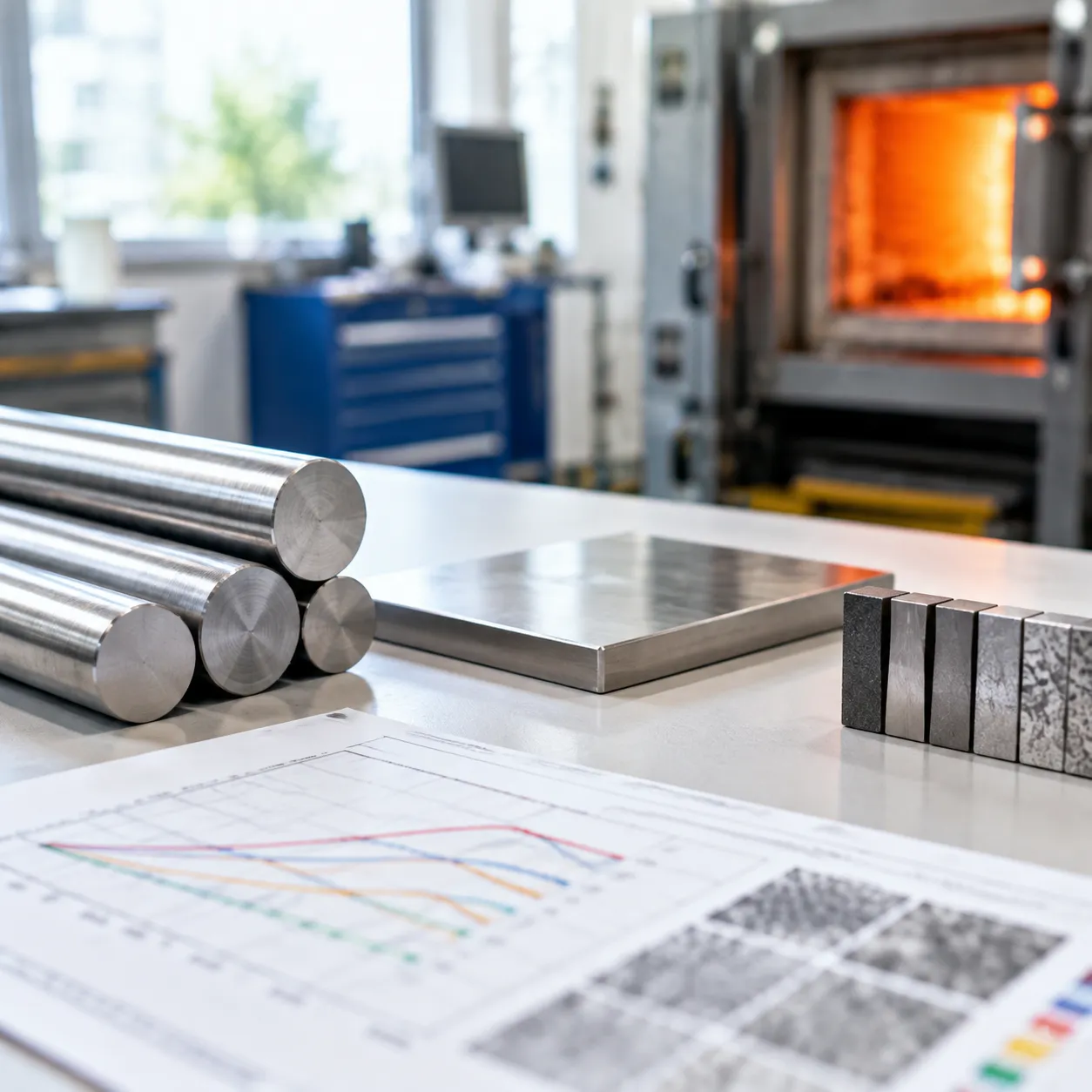
The core advantage of Grade 410 martensitic stainless steel lies in its responsiveness to thermal processing. Unlike austenitic grades, we can drastically alter the ss 410 material property profile—shifting from soft, machinable stock to high-strength, wear-resistant hardware through standard quench-and-temper cycles. When evaluating overall stainless steel strength grades, 410 stands out for its high strength-to-cost ratio.
Baseline Annealed Mechanical Data
In the soft annealed condition, 410 SS provides optimal ductility for forming and rough machining operations.
| Property Metric | Typical Value (Annealed) | Minimum ASTM Specification |
|---|---|---|
| Tensile Strength | 515 MPa (75 ksi) | 450 MPa (65 ksi) |
| Yield Strength (0.2% Offset) | 290 MPa (42 ksi) | 205 MPa (30 ksi) |
| Elongation (% in 50 mm) | 30% | 20% |
| Hardness (Brinell / Rockwell B) | 170 HBW / 86 HRB | ≤ 217 HBW / 96 HRB |
| Charpy V-Notch Impact Toughness | 80 J | — |
Mechanical Modifications via Hardening & Quenching
Heating AISI 410 into the austenitizing range of 925°C to 1010°C (1700°F to 1850°F) followed by an oil or air quench transforms the microstructure into fully martensitic steel.
- As-Quenched Hardness: Reaches up to 45–50 HRC before tempering.
- 410 SS Tensile Strength (Quenched): Exceeds 1350 MPa (195 ksi) with minimal elongation.
- Response Factor: Section thickness and cooling rates dictate the uniformity of through-hardening, making oil quenching preferred for heavy cross-sections.
Tempering Curve vs. Hardness and Toughness
To tailor the ss 410 material to specific mechanical demands, we adjust the tempering temperature to target one of two distinct performance states:
[ Austenitized & Quenched: 925–1010°C (~48 HRC) ] │ ┌─────────┴─────────┐ ▼ ▼ Low Temper (150–370°C) High Temper (600–750°C) • 40–45 HRC • 20–28 HRC • High Wear Resistance • Maximum Toughness & Ductility
- Wear-Resistant State (Tempered at 150°C to 370°C):
- Hardness: 40 to 45 HRC.
- Yield Strength: ~1000–1150 MPa.
- Primary Target: Valve trims, pump shafts, cutlery, and fasteners requiring maximum surface hardness and abrasive wear resistance.
- Structural Toughness State (Tempered at 600°C to 750°C):
- Hardness: 20 to 28 HRC (220–270 HBW).
- Yield Strength: ~550–700 MPa.
- Primary Target: High-vibration structural components, turbine blades, and pressure-boundary parts requiring high impact resistance and resistance to stress cracking.
- Embrittlement Warning: Avoid tempering in the 400°C to 550°C (750°F to 1020°F) zone, as this range causes temper embrittlement, severely lowering Charpy impact toughness and reducing overall corrosion performance.
SS 410 Material Property: Physical and Thermal Data
Understanding the physical and thermal parameters of 410 stainless steel is critical when calculating thermal expansion, heat dissipation, and structural loads in high-temperature or dynamic environments.
Key Physical and Thermal Metric Table
| Physical / Thermal Property | Metric Value | Imperial Value |
|---|---|---|
| Density | 7.75 g/cm³ | 0.280 lb/in³ |
| Melting Range | 1480 – 1530 °C | 2700 – 2790 °F |
| Modulus of Elasticity (Tensile) | 200 GPa | 29.0 × 10³ ksi |
| Shear Modulus (Torsional) | 78 GPa | 11.3 × 10³ ksi |
| Thermal Conductivity (at 100°C) | 24.9 W/m·K | 173 BTU·in/hr·ft²·°F |
| Coefficient of Thermal Expansion (0–100°C) | 9.9 × 10⁻⁶ /°C | 5.5 × 10⁻⁶ /°F |
| Specific Heat Capacity (0–100°C) | 460 J/kg·K | 0.110 BTU/lb·°F |
| Electrical Resistivity (at 20°C) | 570 nΩ·m | 22.4 µΩ·in |
| Magnetic State | Ferromagnetic | Ferromagnetic |
Essential Physical Behavior Highlights
- SS 410 Density and Thermal Conductivity: With a density of 7.75 g/cm³, 410 SS provides a solid weight-to-strength ratio. Its thermal conductivity of 24.9 W/m·K transfers heat significantly faster than typical chrome-nickel alloys, preventing localized hot spots in thermal cycle operations.
- Thermal Expansion (CTE): The relatively low expansion rate of 9.9–11.5 µm/m·°C (up to 500°C) minimizes dimensional distortion under rapid temperature shifts, making it well-suited for tight-tolerance shafts and valve trims.
- Elastic & Shear Response: A Young’s modulus of 200 GPa coupled with a 78 GPa shear modulus delivers reliable stiffness and resistance to torsional deflection under heavy mechanical torque.
- Magnetic Characteristics: Unlike non-magnetic austenitic stainless steel alloys, 410 stainless steel maintains strong ferromagnetic properties across both fully annealed and hardened conditions, simplifying electromagnetic separation and magnetic sensor tracking in industrial assemblies.
SS 410 Heat Treatment & Fabrication Guidelines
Proper thermal processing directly governs every core ss 410 material property, enabling this martensitic alloy to shift from a ductile, machinable state to a high-strength, wear-resistant component.
Heat Treatment Protocols
Optimizing the SS 410 heat treatment temperature requires strict adherence to soaking times and controlled cooling cycles to avoid cracking and maintain dimensional stability.
| Process | Temperature Range | Cooling Method | Resulting Structure / Objective |
|---|---|---|---|
| Full Annealing | 815°C – 900°C (1500°F – 1650°F) | Furnace cool to 600°C (at ≤30°C/hr), then air cool | Ferrite with dispersed carbides; lowest hardness (~85 HRB), maximum ductility |
| Process Annealing | 650°C – 760°C (1200°F – 1400°F) | Air cool | Subcritical stress relief and softening without full phase transformation |
| Hardening (Austenitizing) | 925°C – 1010°C (1700°F – 1850°F) | Oil quench (cross-sections >6mm) or Air cool | Full martensitic transformation; maximum hardness (up to 45 HRC) |
| Low-Temp Tempering | 150°C – 370°C (300°F – 700°F) | Air cool | High hardness, superior wear resistance, stress relief |
| High-Temp Tempering | 600°C – 750°C (1112°F – 1382°F) | Air cool | High toughness, improved impact resistance, moderate tensile strength |
Critical Note on Temper Embrittlement: Avoid tempering AISI 410 in the 400°C to 550°C (750°F to 1020°F) range. Exposure to these temperatures causes secondary carbide precipitation, leading to severe drop-offs in impact toughness and reduced corrosion resistance.
Machining and Tooling Guidelines
In the annealed state, 410 stainless steel machinability is rated at approximately 55% relative to free-machining AISI B1112.
- Tooling: Use rigid setups with positive rake angles and coated carbide tooling (TiAlN or TiCN) to manage abrasive wear.
- Chip Control: Grade 410 forms continuous, stringy chips; heavy-duty chip breakers and constant tool feed prevent work-hardening on the cut surface.
- Coolant: High-sulfur mineral oils or heavy-duty synthetic coolants ensure thermal dissipation during deep profiling, drilling, and threading operations.
Welding Procedures & PWHT
Due to high hardenability and air-hardening traits, welding SS 410 without thermal control causes severe martensitic cracking in the heat-affected zone (HAZ).
- Pre-Heating: Pre-heat components uniformly to 200°C – 300°C (390°F – 570°F) prior to striking an arc.
- Filler Material Selection: Use standard AWS E410 / ER410 fillers for matching mechanical strength and thermal expansion. For hardfacing wear surfaces or extreme operating zones, parts are frequently fortified with specialized cobalt welding alloys for high wear and heat resistance. Austenitic fillers like AWS 308 or 309 can be utilized if post-weld hardening is not required.
- Post-Weld Heat Treatment (PWHT): Immediately post-weld, anneal or temper the weldment at 650°C – 760°C (1200°F – 1400°F) to restore ductility and eliminate residual stresses before the assembly cools below 100°C.
Corrosion Resistance and Environmental Performance
When evaluating the ss 410 material property profile for component design, corrosion performance depends heavily on heat treatment and surface finish. Because it is a 12% chromium martensitic alloy, it delivers reliable resistance in moderate media rather than severe chemical exposures.
Environmental Resistance Capabilities
In fully hardened and polished states, AISI 410 stainless steel resists everyday industrial and atmospheric elements:
- Atmospheric Exposure: Resists rural, urban, and mild industrial atmospheres without severe pitting.
- Freshwater & Steam: Handles clean river water, boiler condensate, and low-pressure steam effectively.
- Mild Chemicals: Resists dilute acetic acid, carbonic acid, petroleum products, and mild alkaline solutions.
- Limitations: Not suitable for chloride-rich marine environments, sulfuric acid, or hydrochloric acid exposures where austenitic grades are preferred.
Surface Treatment Impact on 410 SS
To achieve the highest corrosion performance from ss 410 material, specific surface finishes and secondary operations are essential:
- Hardened and Polished State: Yields the best corrosion resistance. Annealed or roughly machined surfaces are far more prone to localized corrosion.
- Chemical Passivation: Treating components with nitric or citric acid solutions removes free iron from the surface and reinforces the passive chromic oxide layer.
- Electropolishing: Eliminates micro-burrs and surface irregularities, reducing potential crevice corrosion initiation sites.
- Post-Processing in Castings: For complex geometry parts, understanding the complete process outlined in our casting stainless steel guide for buyers and engineers helps ensure components receive proper cleaning and surface treatment.
High-Temperature Oxidation and Scaling Limits
The ss 410 material property data for elevated temperatures defines clear operating thresholds:
| Condition | Maximum Continuous Service Temperature | Maximum Intermittent Service Temperature |
|---|---|---|
| Oxidation / Scaling Resistance | 650°C (1200°F) | 750°C (1380°F) |
| Structural Integrity Limit | 400°C (750°F) | 450°C (842°F) |
Continuous exposure beyond 650°C accelerates destructive scaling, while sustained operation in the 400–550°C window can lead to temper embrittlement and a drop in mechanical toughness.
International Grade Equivalents and SS 410 Material Specifications
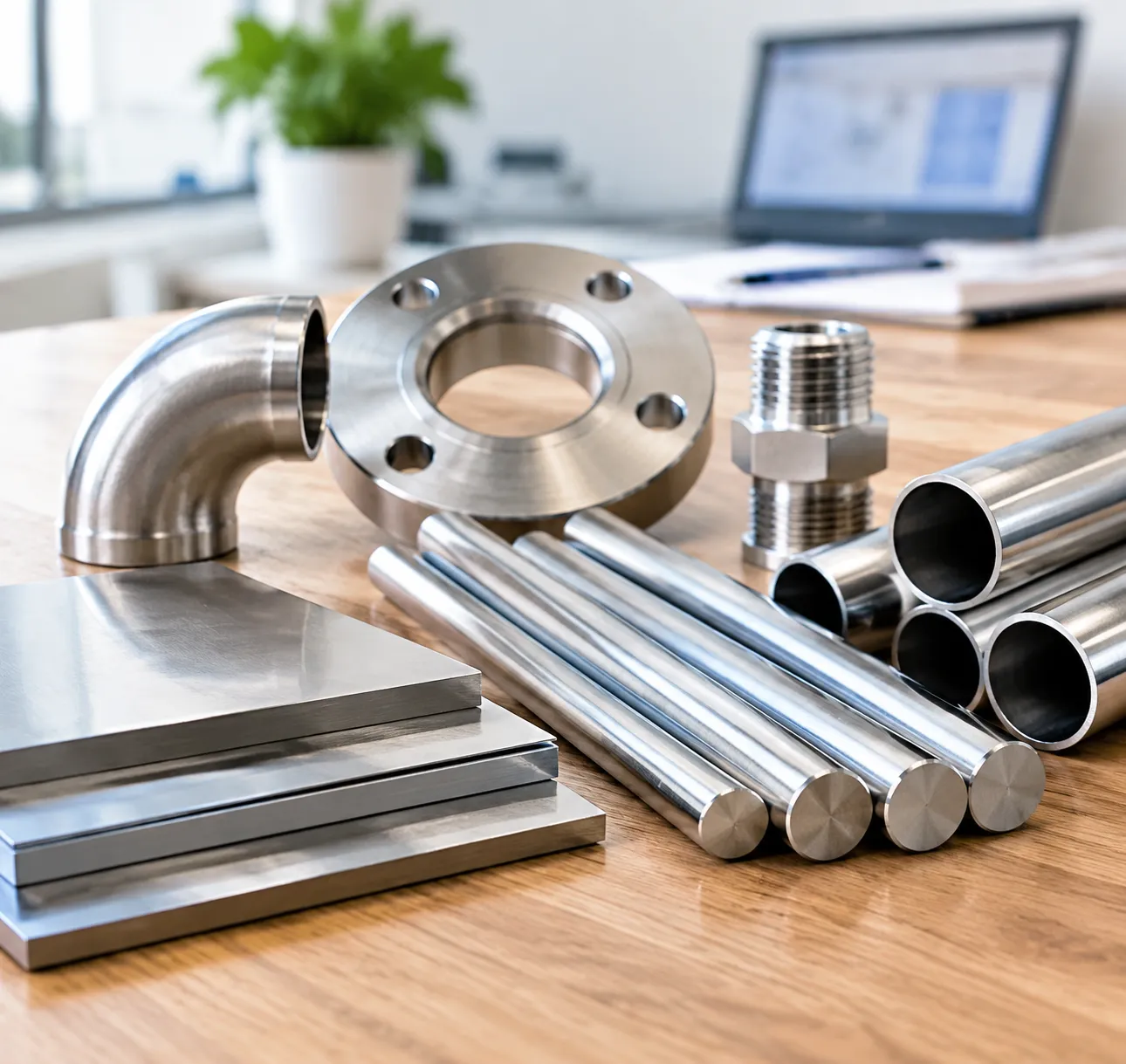
When sourcing raw stock or producing precision parts across international supply chains, matching the exact ss 410 material property standards ensures consistent mechanical performance and heat-treatment response. Grade 410 is standardized under various global engineering frameworks, allowing engineers to interchange specifications while maintaining identical chemical and metallurgical limits.
Whether you specify ASTM A276 Grade 410 bar stock, European EN 1.4006 equivalent profiles, or Japanese SUS 410 material specification components, the underlying martensitic chemistry remains aligned for universal procurement.
SS 410 International Cross-Reference Table
| Standard System | Country / Region | Designation / Grade | Standard Specification Reference |
|---|---|---|---|
| UNS | USA | UNS S41000 | ASTM A276, ASTM A240, ASTM A479 |
| AISI / SAE | USA | AISI 410 / SAE 51410 | ASTM A580, AMS 5613 |
| EN / DIN | European Union / Germany | 1.4006 / X12Cr13 | EN 10088-3, DIN 17440 |
| JIS | Japan | SUS410 | JIS G4303, JIS G4304 |
| GB | China | 12Cr13 (Old: 1Cr13) | GB/T 1220, GB/T 3280 |
| ISO | International | X12Cr13 | ISO 683-17 |
| BS | United Kingdom | 410S21 | BS 970 Part 1 |
| AFNOR | France | Z12C13 | NF A 35-573 |
When matching these equivalent grades for forged, machined, or cast stainless steel custom casting alloys and grades, we verify that the specific regional designation meets your design tensile strength, hardness limits, and corrosion resistance requirements prior to production.
Material Comparison: SS 410 vs. Alternative Stainless Alloys
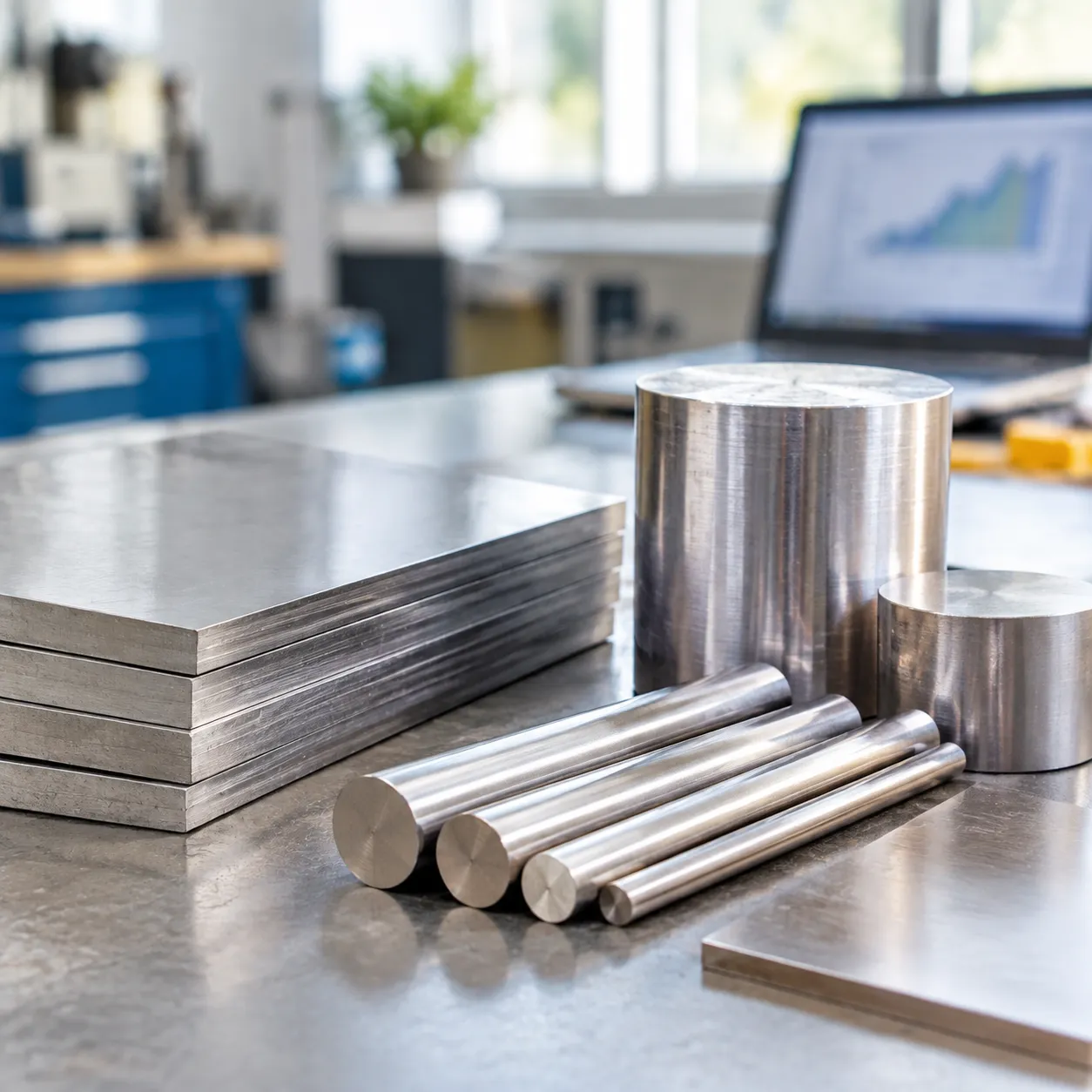
Selecting the right alloy depends on balancing mechanical strength, wear resistance, and environmental exposure. Understanding how the core ss 410 material property profile stacks up against other common grades helps avoid over-engineering or premature component failure.
| Grade | Alloy Type | Carbon Content (%) | Max Hardness (HRC) | Primary Strength | Ideal Use Cases |
|---|---|---|---|---|---|
| SS 410 | Martensitic | 0.08–0.15 | ~45 | High toughness & moderate wear | Pump shafts, valve trim, fasteners |
| SS 420 | Martensitic | 0.15–0.40 | ~52 | Higher hardness & cutting edge | Surgical tools, shear blades, cutlery |
| SS 440C | Martensitic | 0.95–1.20 | ~60 | Extreme abrasion & edge life | Bearing assemblies, high-wear nozzles |
| SS 304 | Austenitic | ≤ 0.08 | Non-hardenable (~90 HRB) | Superior chemical corrosion resistance | Chemical processing, marine hardware |
SS 410 vs. SS 420
In our manufacturing and machining operations, the primary difference comes down to carbon content. While 420 ss delivers higher achievable hardness (up to 52 HRC) due to its higher carbon levels, it sacrifices a degree of ductility. The 410 vs 420 stainless steel decision usually hinges on impact versus abrasion: SS 410 offers better structural toughness and shock resistance, whereas SS 420 is chosen for parts requiring acute edge retention and higher abrasive wear resistance. Discover more about martensitic stainless steel characteristics across various heat-treated conditions.
SS 410 vs. SS 440C
When looking at high-carbon martensitic options, ss 440c material property specifications prioritize extreme hardness and wear over all else. Reaching up to 60 HRC after heat treatment, 440 ss serves high-load contact environments like ball bearings and valve seats. By comparison, SS 410 provides significantly easier machinability, lower raw material cost, and superior impact toughness where extreme hardness ceilings are not mandatory.
SS 410 vs. SS 304
The choice between SS 410 and SS 304 represents the classic trade-off between mechanical strength and corrosion protection: Martensitic SS 410: Heat-treatable to high tensile strength and hardness levels, magnetic, and best suited for high-stress mechanical parts operating in mild environments. Austenitic SS 304: Non-hardenable by heat treatment and non-magnetic, offering significantly higher resistance against chlorides, aggressive chemicals, and pitting. Compare these traits directly with austenitic stainless steel types and applications to determine whether corrosion performance or yield strength takes priority in your design.
Common Industrial Applications of SS 410
The balanced ss 410 material property profile—offering high mechanical strength, good wear resistance, and reliable baseline corrosion protection—makes this alloy an industry workhorse. We routinely supply and fabricate martensitic stainless steel 410 across several demanding sectors:
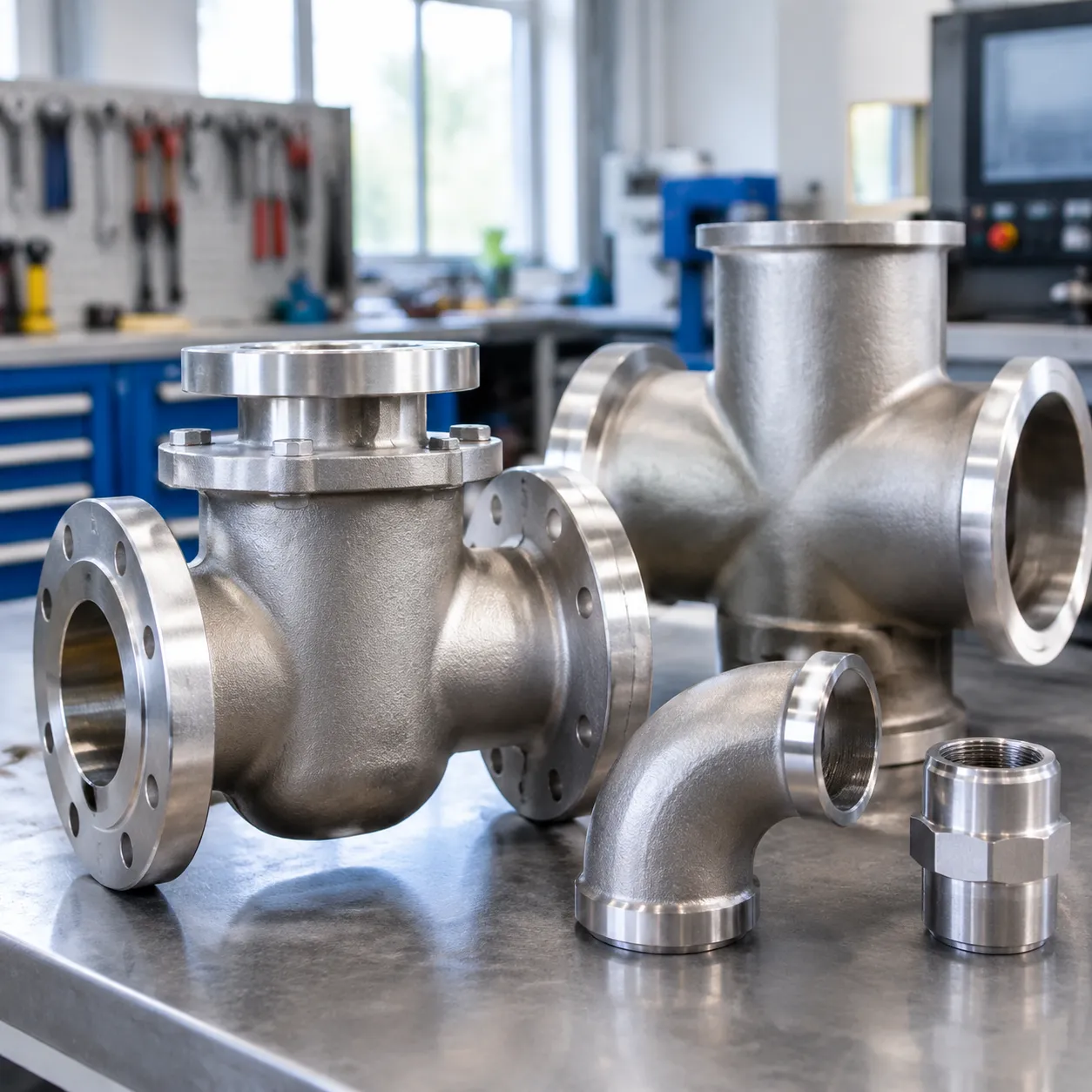
- Fluid Handling and Flow Control: We use hardened 410 ss for valve stems, valve seats, gate valves, and heavy-duty pump shafts. The alloy resists galling, erosion, and high-pressure fluid wear. When producing complex valve housings or pump bodies, leveraging the advantage of investment casting over green sand casting ensures net-shape precision before final hardening.
- Turbomachinery Components: Grade 410 handles continuous stress and elevated temperatures up to 650°C. It serves as a standard material for steam and gas turbine blades, compressor buckets, turbine nozzles, and diffuser rings.
- Petrochemical and Refining Equipment: Because ss 410 material resists mild chemical exposures, petroleum distillates, and steam scaling, it is widely utilized for fractionation trays, distillation tower packings, and heat exchanger supports.
- Industrial Hardware and Cutting Tools: We produce structural fasteners, industrial shear blades, doctor blades, scrapers, standard cutlery, and surgical instruments from AISI 410, where post-quench hardness (up to 45 HRC) provides sharp edge retention and abrasion resistance.
Quality Control and Sourcing for SS 410 Material Property Assurance
Delivering reliable components starts with verifying every critical ss 410 material property before production begins. We enforce rigorous quality control at every stage—from raw melt to finished part—ensuring your AISI 410 stainless steel meets exact chemical, mechanical, and dimensional tolerances.
Inspection and Testing Protocols
We validate all material stock using standardized destructive and non-destructive testing (NDT):
- Material Test Reports (MTR): Every batch ships with full EN 10204 3.1 certification detailing exact melt chemistry and heat-lot mechanical values.
- Positive Material Identification (PMI): Handheld XRF analyzers verify chromium (11.5–13.5%) and key alloying elements instantly on receipt.
- Ultrasonic & NDT Inspection: In-house ultrasonic testing detects subsurface porosity, inclusions, or internal cracks in heavy bar stock and forgings.
- Hardness & Tensile Verification: Calibrated Rockwell (HRC) and Brinell (HB) testing confirms your specified heat-treated condition.
| Quality Inspection | Target Metric / Evaluation | Industry Standard |
|---|---|---|
| Chemical Analysis (PMI / OES) | Elemental verification (C, Cr, Mn, Si, P, S) | ASTM A276 / UNS S41000 |
| Mechanical Property Testing | Tensile strength, yield point, elongation | ASTM A370 |
| Hardness Verification | Core and surface hardness (annealed vs. quenched) | ASTM E18 / ASTM E10 |
| Non-Destructive Testing (NDT) | Internal sound integrity via Ultrasonic Testing | ASTM A388 |
| Dimensional & Surface Finish | CMM coordinate checks, surface roughness (Ra) | ISO 2768 / ASME Y14.5 |
Custom Fabrication and Engineering Support
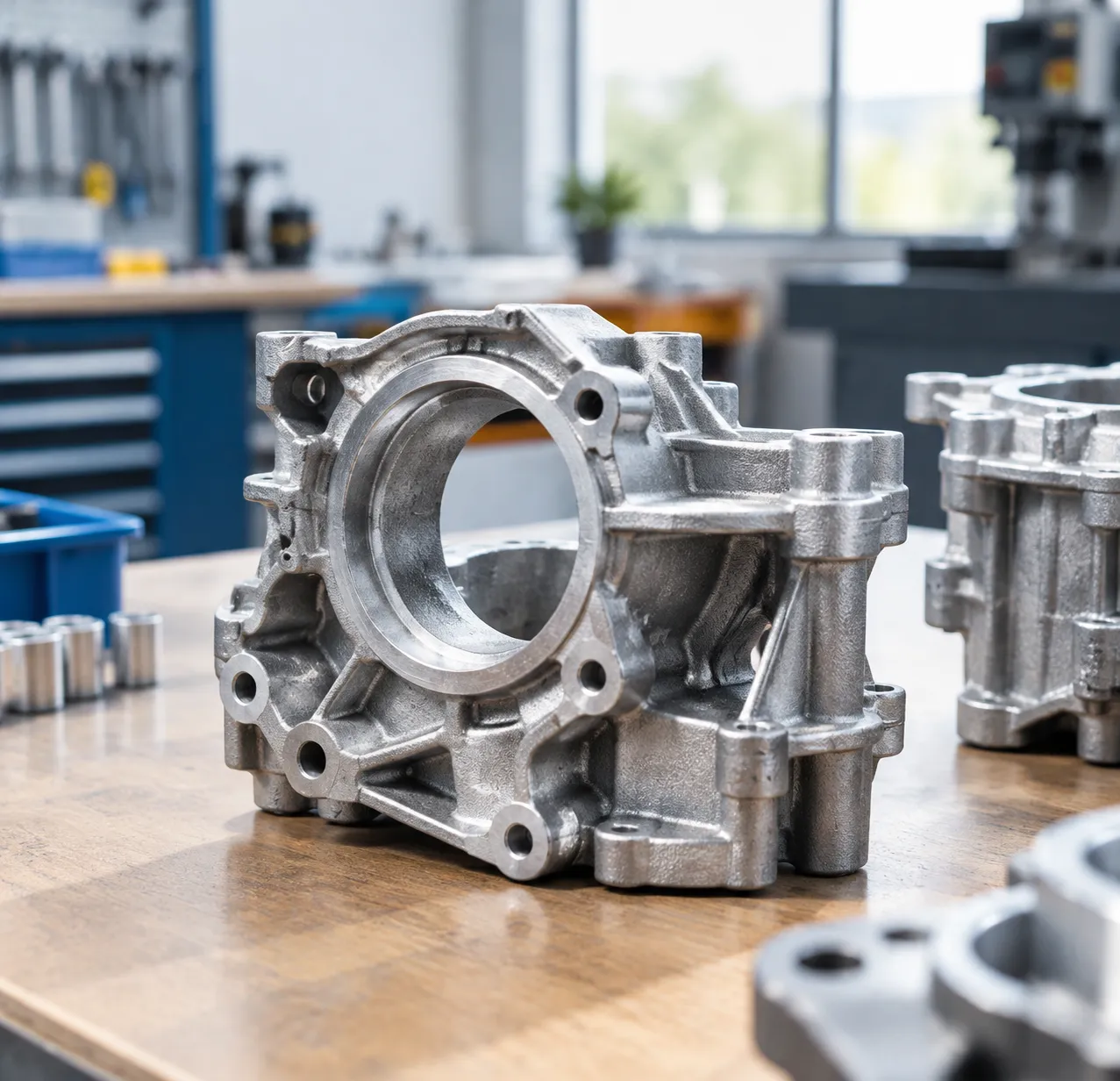
We adapt our manufacturing pipeline directly to your application requirements. Whether you require custom forging, tight-tolerance turning, or integrated precision casting and CNC machining, our facility handles raw material conversion through final passivation. For projects requiring cast blanks or complex structural geometries, partnering with a dedicated sand casting manufacturer for custom metal parts ensures consistent alloy integrity prior to finish machining.
Send your CAD models, material specifications, and target heat treatment parameters directly to our engineering team for a fast Request for Quote (RFQ) review and manufacturability assessment.
Frequently Asked Questions (FAQs) About SS 410 Material Property
Is SS 410 magnetic in all conditions?
Yes. Because AISI 410 is a martensitic stainless steel with a body-centered tetragonal or cubic crystal structure, it remains strongly ferromagnetic in both the annealed and fully hardened conditions.
Can SS 410 be hardened through heat treatment?
Yes. Unlike austenitic grades, SS 410 responds directly to thermal quenching and tempering: Austenitizing: Heating to 925–1010°C followed by air or oil quenching transforms the structure into martensite. Achievable Hardness: Depending on the tempering cycle, SS 410 hardness HRC ranges from 35 to 45 HRC for wear-resistant components, or lower values for high-toughness structural parts.
How does SS 410 compare to SS 304 in terms of machinability and strength?
SS 410 delivers higher yield strength, higher tensile strength, and superior wear resistance compared to standard 304. It also offers significantly better machinability (around 55% of AISI B1112) because it does not work-harden as rapidly as austenitic grades. However, SS 304 provides higher general corrosion resistance. For projects requiring cast components tailored to specific mechanical loads, we utilize specialized stainless steel casting services for precision parts to meet exact alloy performance targets.
What is the recommended pre-heat and post-weld heat treatment for SS 410?
Because martensitic stainless steel 410 air-hardens quickly and is prone to cold cracking, proper thermal management during welding is mandatory: Pre-heating: Maintain the weld zone between 200°C and 300°C (392°F to 572°F). Post-Weld Heat Treatment (PWHT): Immediately perform subcritical annealing or tempering at 650°C to 750°C (1202°F to 1382°F) to relieve residual stresses and restore joint ductility.
What is the maximum operating temperature for 410 stainless steel?
For continuous service, SS 410 operates safely up to approximately 650°C (1200°F) under oxidizing conditions before scaling rates increase significantly. For intermittent duty, it can handle spikes up to 760°C (1400°F). When application environments exceed these thermal thresholds or demand extreme scaling resistance, transitioning to specialized solutions like a 310 SS stainless steel high temperature alloy provides the necessary thermal stability.
 English
  Russian
  German