
2026年8月19日
Aluminum A356 alloy with high castability corrosion resistance and T6 strength for automotive aerospace and precision casting
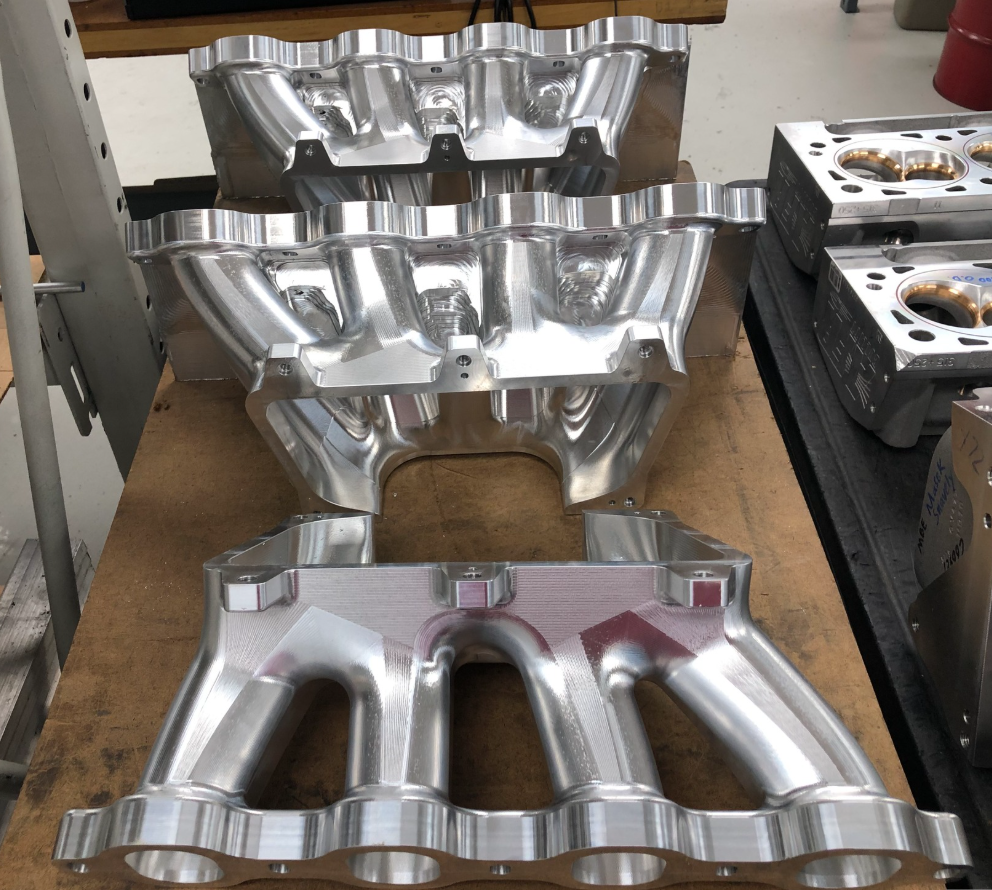
What Is A356 Aluminum Alloy?
We specialize in high-performance A356 aluminum alloy, a premium aluminum-silicon-magnesium (Al-Si-Mg) casting material within the 3xx.x alloy classification. Engineered for critical structural components, aluminum A356 offers exceptional mechanical reliability, structural integrity, and excellent castability.
Core Performance Advantages
When sourcing lightweight structural alloys, engineering and procurement teams choose our A356 casting alloy for three essential features:
- Superior Fluidity: High silicon content allows clean, uniform metal flow during pouring, perfect for thin-wall designs and intricate mold shapes.
- High Strength-to-Weight Ratio: Replaces heavier metals like iron and steel without sacrificing tensile strength.
- Corrosion Resistance: Naturally forms a protective oxide layer, ensuring long-term durability in outdoor, automotive, and marine environments.
A356.0 vs A356.2 Ingot Standards
Understanding the difference between ingot and casting designations ensures precise material quality in your foundry processes:
| Standard Grade | Primary Form | Application & Purpose |
|---|---|---|
| A356.0 | Casting | Defines the exact chemical composition required for completed, finished A356 aluminum parts. |
| A356.2 | Remelt Ingot | Features ultra-strict purity controls (lower iron limits) to account for natural element burn-off during foundry melting. |
A356 Aluminum Chemical Composition
We maintain strict composition standards for aluminum A356 to ensure exceptional fluidity, mechanical strength, and pressure tightness. The precise balance of alloying elements defines how the material fills molds and responds to heat treatment.
Standard Element Breakdown
The chemical makeup of A356 aluminum alloy is engineered for high performance in structural castings.
| Element | Composition (%) | Key Function in Alloy |
|---|---|---|
| Silicon (Si) | 6.5 – 7.5 | Enhances fluid flow, reduces shrinkage, and improves castability |
| Magnesium (Mg) | 0.25 – 0.45 | Enables precipitation hardening to boost yield and tensile strength |
| Iron (Fe) | 0.20 Max | Kept minimal to avoid embrittlement and preserve toughness |
| Copper (Cu) | 0.20 Max | Controlled to maintain high corrosion resistance |
| Manganese (Mn) | 0.10 Max | Refines phase morphology and controls grain structure |
| Zinc (Zn) | 0.10 Max | Strictly limited to prevent cracking and lowered ductility |
| Titanium (Ti) | 0.20 Max | Serves as a grain refiner for microstructural uniformity |
| Aluminum (Al) | Balance | Base matrix metal |
Role of Composition Control and Purity
Purity and element control are critical to achieving predictable mechanical properties: Enhanced Mold Flow: High silicon levels allow the molten metal to fill intricate geometry cleanly, making it ideal for processes like A356 aluminum investment casting. Optimal Heat Treatability: Exact magnesium limits ensure a predictable age-hardening response without compromising ductility. Impurity Management: Keeping iron and copper minimal ensures maximum corrosion resistance and structural integrity under cyclic loads.
Chemical Purity: A356 vs. Standard 356 Alloy
The primary distinction between A356 and standard 356 aluminum alloy lies in impurity thresholds—specifically iron (Fe): Iron Limits: Standard 356 allows up to 0.60% Fe, whereas high-purity A356 caps iron at 0.20% Max. Ductility and Toughness: High iron levels in standard 356 create brittle, needle-like intermetallic structures. Lowering iron in a356 aluminum prevents these micro-flaws, yielding dramatically higher elongation, impact strength, and fatigue resistance.
A356 Mechanical Properties Across Tempers
When selecting aluminum A356 for structural components, heat treatment dictates the material's final mechanical performance. We evaluate three primary temper states—As-Cast (F), T5, and T6—to match precise load and ductility requirements for engineered components.
As-Cast (F Temper) Characteristics
In the as-cast state, A356 aluminum offers baseline mechanical performance directly out of the mold: Tensile Strength: ~160–190 MPa (23–28 ksi) Yield Strength: ~80–110 MPa (12–16 ksi) Elongation: 2% to 6% Hardness: ~50–60 HBW
While as-cast parts save processing costs, their lower yield strength limits them to light-duty, low-stress applications.
T5 Temper: Artificially Aged Performance
The T5 temper involves cooling the casting rapidly from the mold followed by artificial aging. This aging response improves dimensional stability and hardness without requiring full solution heat treatment: Higher yield strength compared to as-cast parts Excellent machinability with minimal risk of residual stress distortion Moderate boost in hardness (~70–80 HBW) for light load-bearing duty
T6 Temper: High Strength and Yield Performance
For high-stress applications, the A356 T6 aluminum condition delivers peak mechanical properties via full solution heat treatment, rapid water quenching, and artificial aging: Tensile Strength: ~290–330 MPa (42–48 ksi) Yield Strength: ~220–260 MPa (32–38 ksi) Elongation: 3.5% to 10% Hardness: ~80–100 HBW
Evaluating these temper conditions helps us balance material strength with structural demands when reviewing a forging and casting comparison for strength, cost, and tolerance for critical assemblies.
Mechanical Property Comparison Matrix
| Temper Condition | Tensile Strength (MPa) | Yield Strength (MPa) | Elongation (%) | Brinell Hardness (HBW) | Primary Benefit |
|---|---|---|---|---|---|
| As-Cast (F) | 170 | 90 | 3.5 | 55 | Lower manufacturing cost |
| T5 | 220 | 150 | 2.0 | 75 | Enhanced stability & easy machining |
| T6 | 310 | 230 | 6.0 | 90 | Maximum strength & fatigue resistance |
Physical Properties of A356 Aluminum Alloy
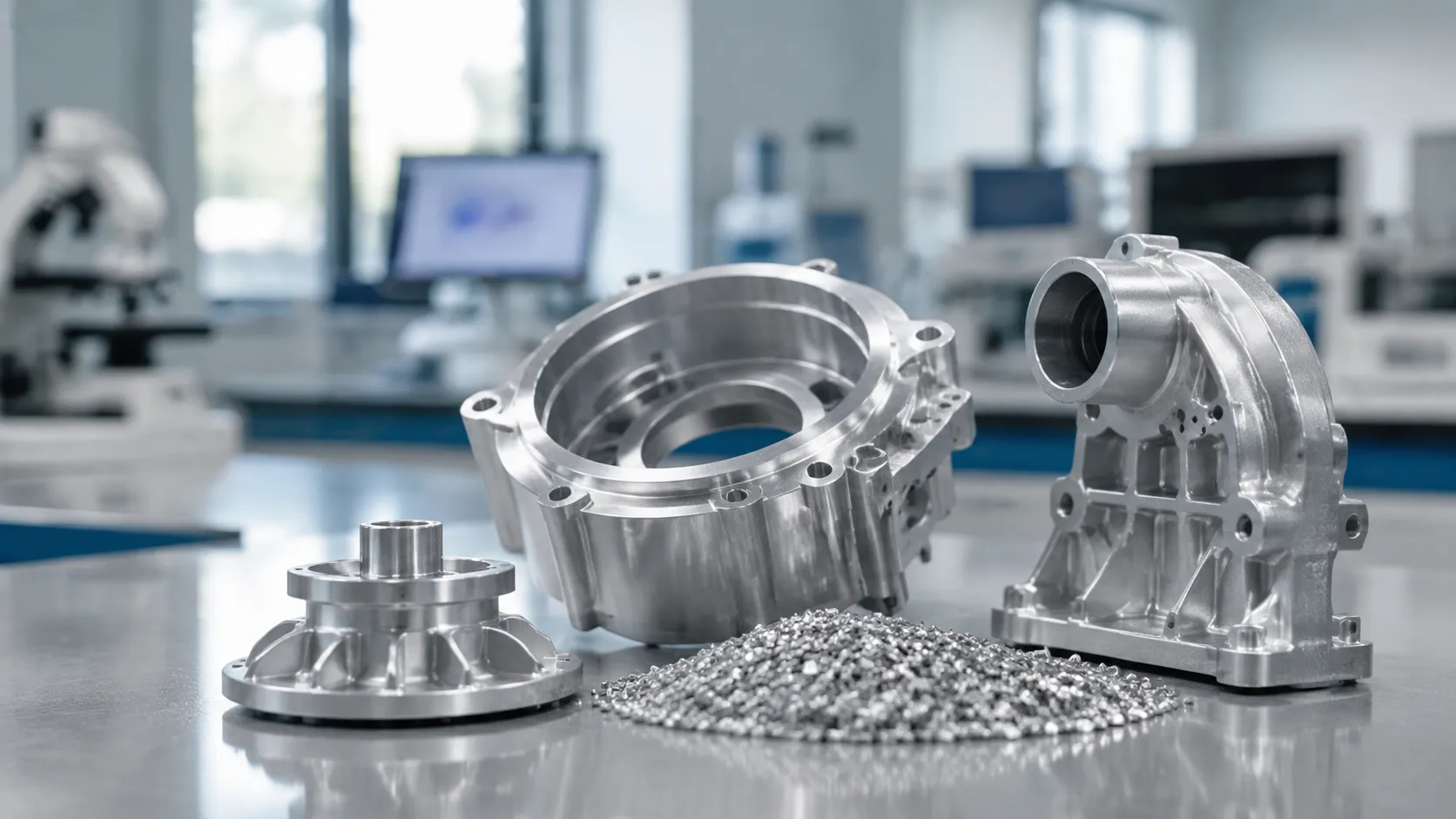
When evaluating aluminum A356 for critical structural or pressure-tight components, understanding its core physical properties is essential. We rely on these physical metrics to ensure predictable performance across demanding thermal and mechanical environments.
Key Physical Specifications
| Property | Metric Value | Imperial Value |
|---|---|---|
| Density | 2.68 g/cm³ | 0.097 lb/in³ |
| Melting Range | 555°C – 615°C | 1030°F – 1140°F |
| Thermal Conductivity (T6) | 151 – 167 W/m·K | 87.3 – 96.5 BTU/(hr·ft·°F) |
| Electrical Conductivity | 39% – 41% IACS | 39% – 41% IACS |
| Coefficient of Thermal Expansion (CTE) | 21.5 µm/m·°C (20–100°C) | 11.9 µin/in·°F |
Thermal and Electrical Performance
The high thermal conductivity of A356 aluminum alloy makes it an ideal choice for heat dissipation and thermal management. In automotive engine blocks and industrial hardware, it efficiently draws heat away from critical zones to prevent localized thermal stress. Its moderate electrical conductivity also ensures reliable performance for electrical housings and grounding components.
Thermal Expansion and Service Behavior
- Dimensional Stability: A balanced expansion rate allows a356 aluminum castings to maintain tight tolerances and seal integrity during temperature fluctuations.
- Elevated Temperature Limits: Operating temperatures are generally recommended below 150°C to 200°C to prevent long-term mechanical degradation.
- Weight Efficiency: At nearly one-third the density of steel or iron, A356 yields lightweight, energy-efficient parts with minimal inertia.
Heat Treatment and Temper Conditions for A356 Aluminum
We use controlled heat treatment to unlock the maximum mechanical performance of aluminum A356. By subjecting the raw alloy to solution heat treatment and artificial aging, we transform a moderate-strength casting into a high-integrity material built for demanding structural service.
Solution Heat Treatment and Artificial Aging Overview
- Solution Heat Treatment: We hold heat treated A356 castings at elevated temperatures around 1000°F (538°C) to dissolve magnesium and silicon into a uniform solid solution, followed by a rapid water quench to lock in the microstructural phase.
- Artificial Aging: We reheat quenched components at moderate temperatures around 300°F–320°F (150°C–160°C). This precipitates fine magnesium silicide (Mg2Si) throughout the aluminum matrix, raising hardness and yield strength.
Comparing As-Cast, T5, and T6 Temper Conditions
| Temper Condition | Processing Steps | Performance Profile & Application |
|---|---|---|
| As-Cast (F) | Direct from mold without post-heat treatment | Good ductility and moderate strength; cost-effective for low-stress parts. |
| T5 Temper | Air-cooled from molding, followed by artificial aging | Enhanced yield strength and dimensional stability without water quench stresses. |
| A356 T6 Aluminum | Full solution heat treatment, quench, and artificial aging | Maximum tensile and yield strength, combined with peak fatigue performance. |
Improving Fatigue Resistance and Dimensional Stability
Post-cast heat processing directly solves critical engineering concerns in dynamic hardware:
- Fatigue Resistance: A356 T6 aluminum eliminates localized residual stress, boosting fatigue strength under continuous vibration and heavy cyclic loads.
- Dimensional Stability: Artificial aging relieves internal stress, keeping tight-tolerance machined surfaces flat and stable throughout long service lifespans.
When evaluating alloy options for high-stress manufacturing, engineers frequently compare non-ferrous and ferrous casting behaviors. For insights into alternative high-integrity materials, review our casting stainless steel guide for buyers and engineers.
A356 Casting Characteristics and Processes
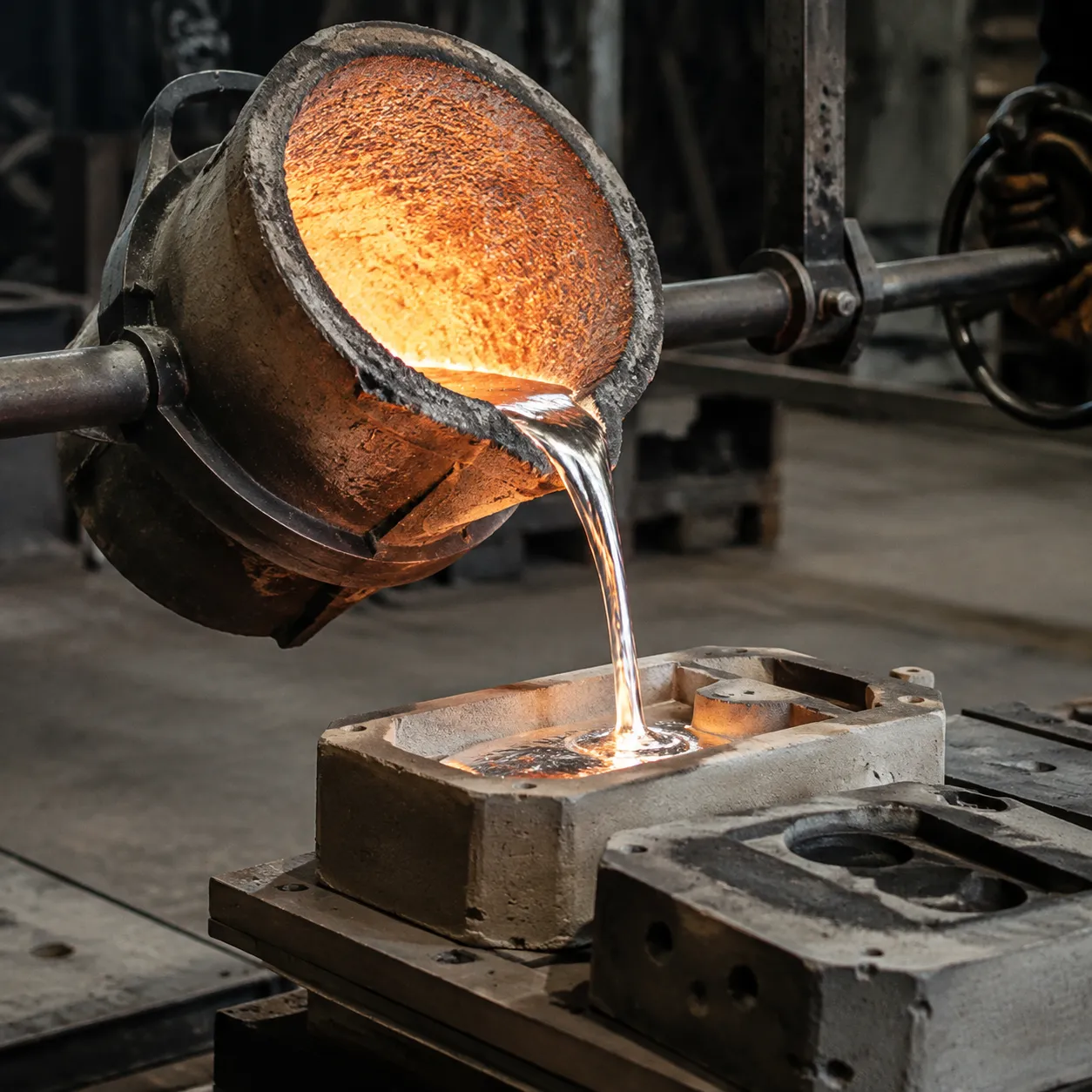
When we produce components with aluminum A356, its exceptional castability is often the decisive factor. The alloy's balanced silicon content provides superior melt fluidity and excellent mold-filling capabilities, allowing us to successfully cast complex geometries and thin-wall structures with high dimensional precision.
Key Casting Advantages
- High Fluidity: Smoothly fills intricate mold cavities, enabling reliable thin-wall casting down to tight tolerances.
- Hot Cracking Resistance: Solidifies predictably with minimal stress, drastically reducing tears and structural defects during cooling.
- Porosity Control: Excellent response to rotary degassing and melt refining, ensuring dense, pressure-tight finished parts.
Primary Casting Methods for A356
A356 aluminum casting adapts seamlessly across several foundational manufacturing processes:
- Permanent Mold Casting: Best for high-volume production, delivering rapid solidification, fine grain structures, and superior mechanical properties.
- Sand Casting: Ideal for large-scale structural parts and flexible batch runs. You can review our sand mold casting guide for deeper insights on tooling and tolerances.
- Investment Casting: Preferred for intricate, near-net-shape components needing exceptional surface finish. Comparing an investment casting vs sand casting process comparison helps select the optimal balance between unit cost and geometry complexity.
Common Applications of A356 Aluminum
We rely on aluminum A356 across critical industries where high strength-to-weight ratios, pressure tightness, and corrosion resistance are essential. Its excellent castability makes it a go-to material for high-stress structural components.
Automotive Components
- Wheels & Rims: Delivers high fatigue strength and impact resistance required for high-performance automotive wheels.
- Engine & Transmission Housings: Handles thermal stress while significantly cutting engine weight to boost fuel efficiency.
- Suspension Parts: Supports heavy dynamic loads in control arms, knuckles, and structural brackets.
Aerospace Hardware
- Lightweight Structural Castings: Reduces overall aircraft payload weight without sacrificing structural integrity or stiffness.
- Precision Hardware: Ideal for flight-critical fittings and bracketry. We manufacture high-integrity airframe parts using aluminum investment casting services to achieve tight tolerances.
Marine Hardware
- Corrosion-Resistant Gear: Resists harsh salt-water environments, making it ideal for marine impellers, steering housings, and deck hardware.
- Outdoor Service Units: Prevents pitting and degradation during long-term exposure to outdoor weather conditions.
Industrial Equipment
- Pump & Valve Housings: Provides superior pressure tightness under high fluid pressures to eliminate leakage.
- Compressor Components & Enclosures: Offers strong thermal dissipation and protective housing for electrical systems. We regularly deliver custom precision cast components engineered for severe industrial operating environments.
A356 vs Other Common Aluminum Alloys
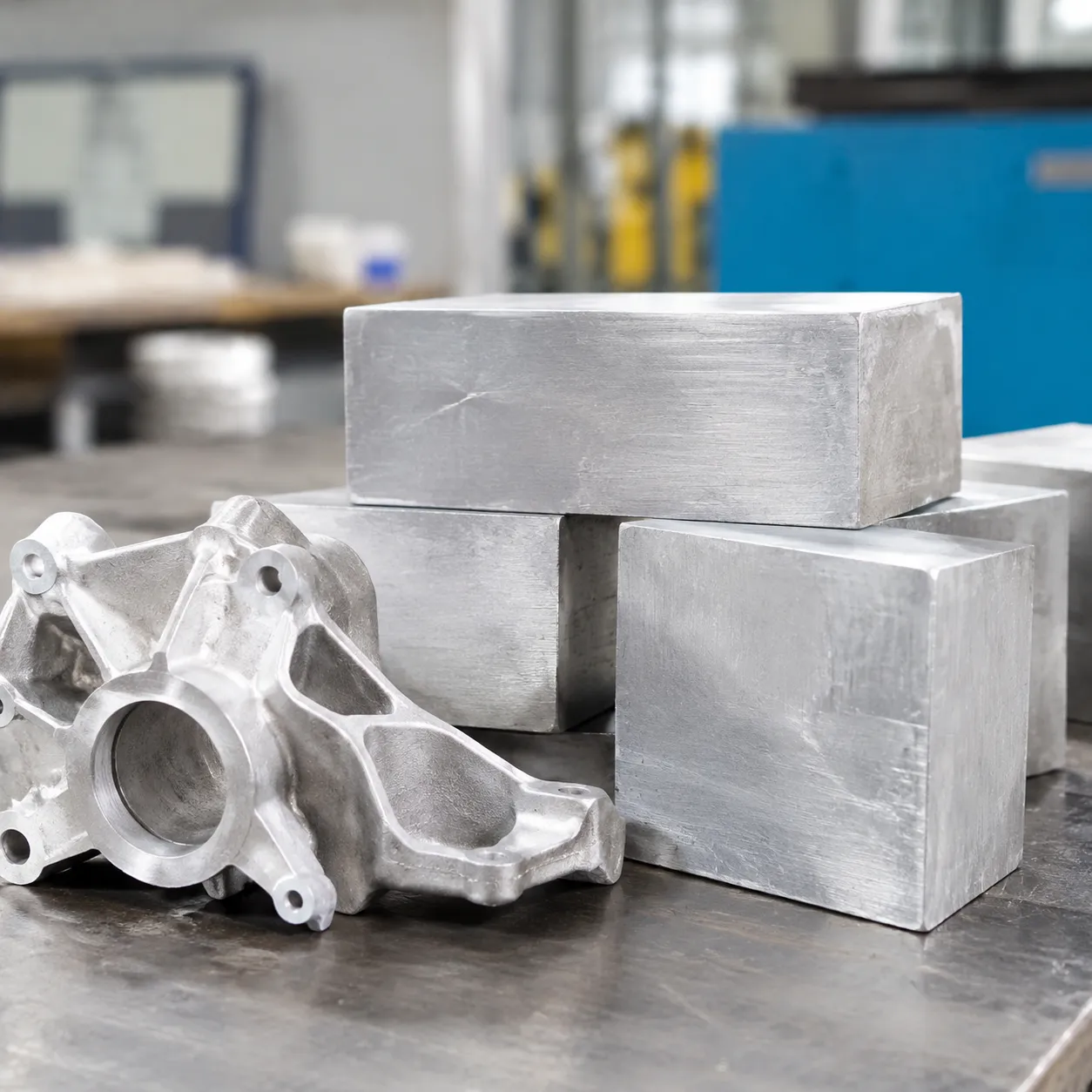
Choosing the right material for your components depends on strength requirements, structural complexity, and manufacturing processes. Here is how aluminum A356 stacks up against other popular alloys in our production runs.
A356 vs 356 Aluminum Alloy
The primary difference between A356 aluminum alloy and standard 356 alloy comes down to chemical purity: Impurity Control: A356 maintains a significantly lower iron limit (0.20% max compared to 0.60% max in standard 356). Mechanical Performance: This higher purity prevents brittle iron-rich intermetallic phases, giving A356 superior ductility, impact resistance, and elongation—especially after T6 heat treatment.
When high structural integrity is non-negotiable, we always specify A356 over standard 356.
A356 vs A380 Aluminum
While both are widely used in casting, they serve completely different engineering needs: Castability & Process: A380 is optimized for high-pressure die casting, offering high fluidity for rapid, mass production. A356 excels in permanent mold, sand casting, and high-precision aluminum investment casting. Mechanical Strength: A356 can be heat-treated (T6) for superior tensile strength and fatigue resistance. A380 is almost always used as-cast. Corrosion Resistance: A356 features significantly lower copper content, giving it superior performance in outdoor and marine environments.
A356 vs 6061 Aluminum Alloy
The choice between A356 and 6061 usually comes down to cast alloy vs wrought alloy: Manufacturing Efficiency: 6061 is a wrought alloy best suited for CNC machining, extrusions, and plate fabrication. A356 is a cast alloy, making it the ideal choice for complex 3D shapes that would be wasteful or impossible to machine from a solid billet. Property Comparison: While wrought 6061-T6 offers slightly higher uniform yield strength, heat-treated A356 T6 aluminum provides comparable structural performance for complex geometries produced through our custom aluminum casting services.
Quick Alloy Comparison Matrix
| Alloy | Alloy Class | Primary Manufacturing Method | Heat Treatable? | Corrosion Resistance | Best For |
|---|---|---|---|---|---|
| A356 | Cast | Sand, Mold, Investment Casting | Yes (T5, T6) | Excellent | Complex, high-strength structural parts |
| 356 | Cast | Sand, Permanent Mold | Yes (T5, T6) | Good | Standard structural components |
| A380 | Cast | High-Pressure Die Casting | No | Fair | High-volume commercial enclosures |
| 6061 | Wrought | Machining, Extrusion, Rolling | Yes (T6) | Excellent | Simple geometric structural frames |
Available Product Forms and Quality Assurance for A356 Aluminum
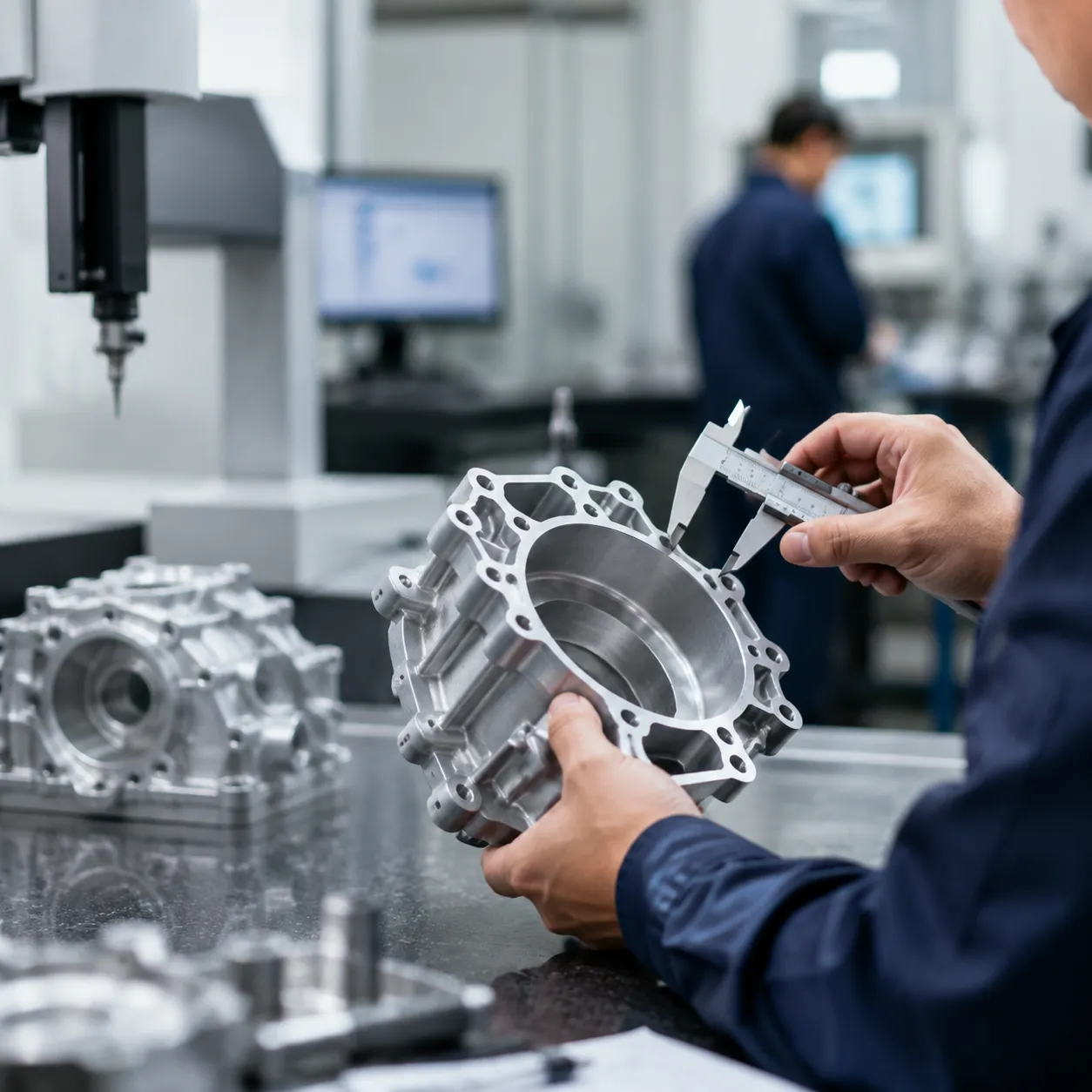
We deliver aluminum a356 in multiple ready-to-use supply forms to match your manufacturing setup:
- Alloy Ingots & Remelt Material: Pre-alloyed A356.0 and high-purity A356.2 ingots ready for foundry charge.
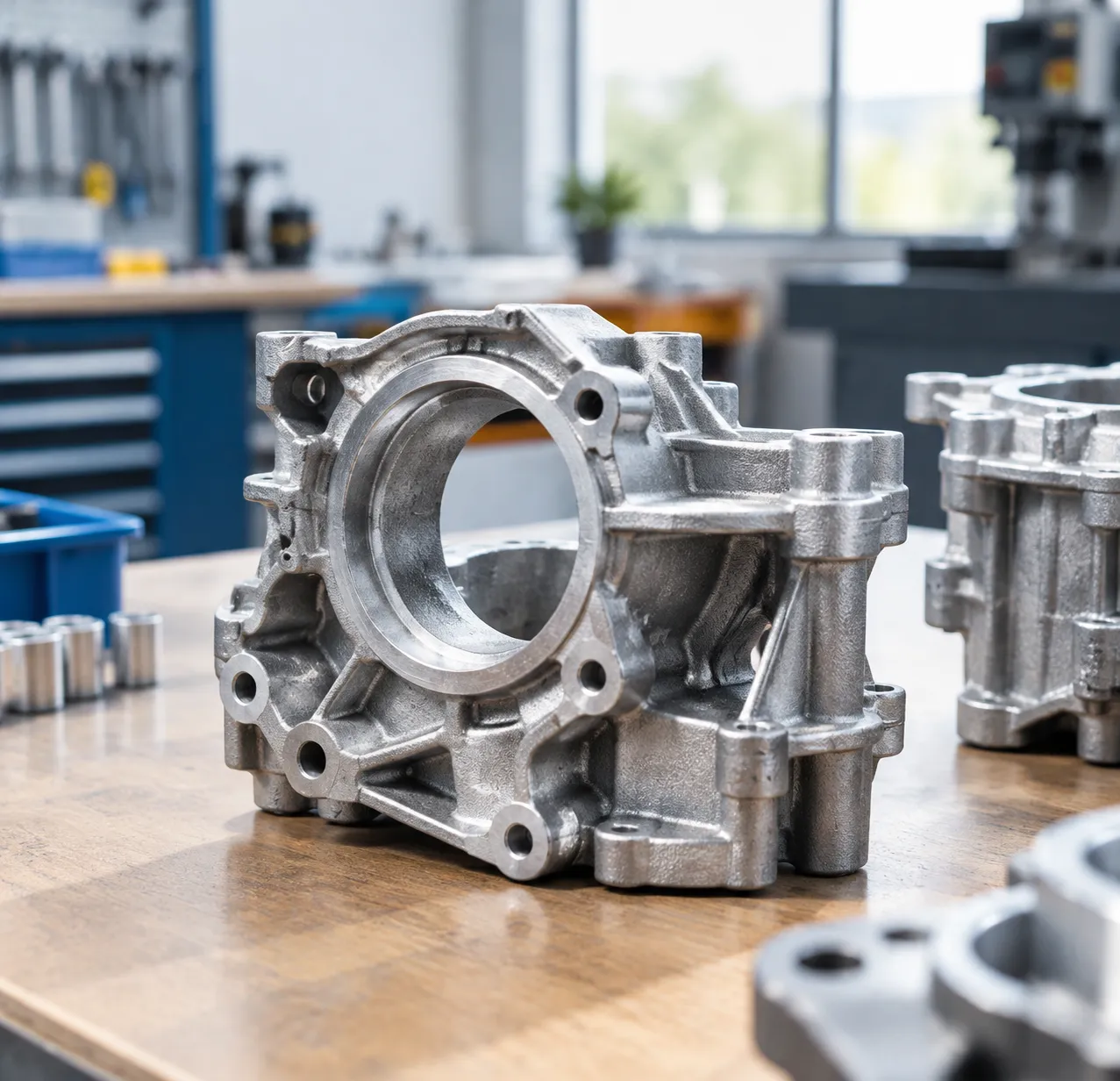
- Custom Castings: Near-net-shape parts produced via sand, investment, or permanent mold casting.
- Finished Machined Components: Precision CNC-machined parts delivered ready for direct installation.
Foundry Melting, Refining, and Impurity Control
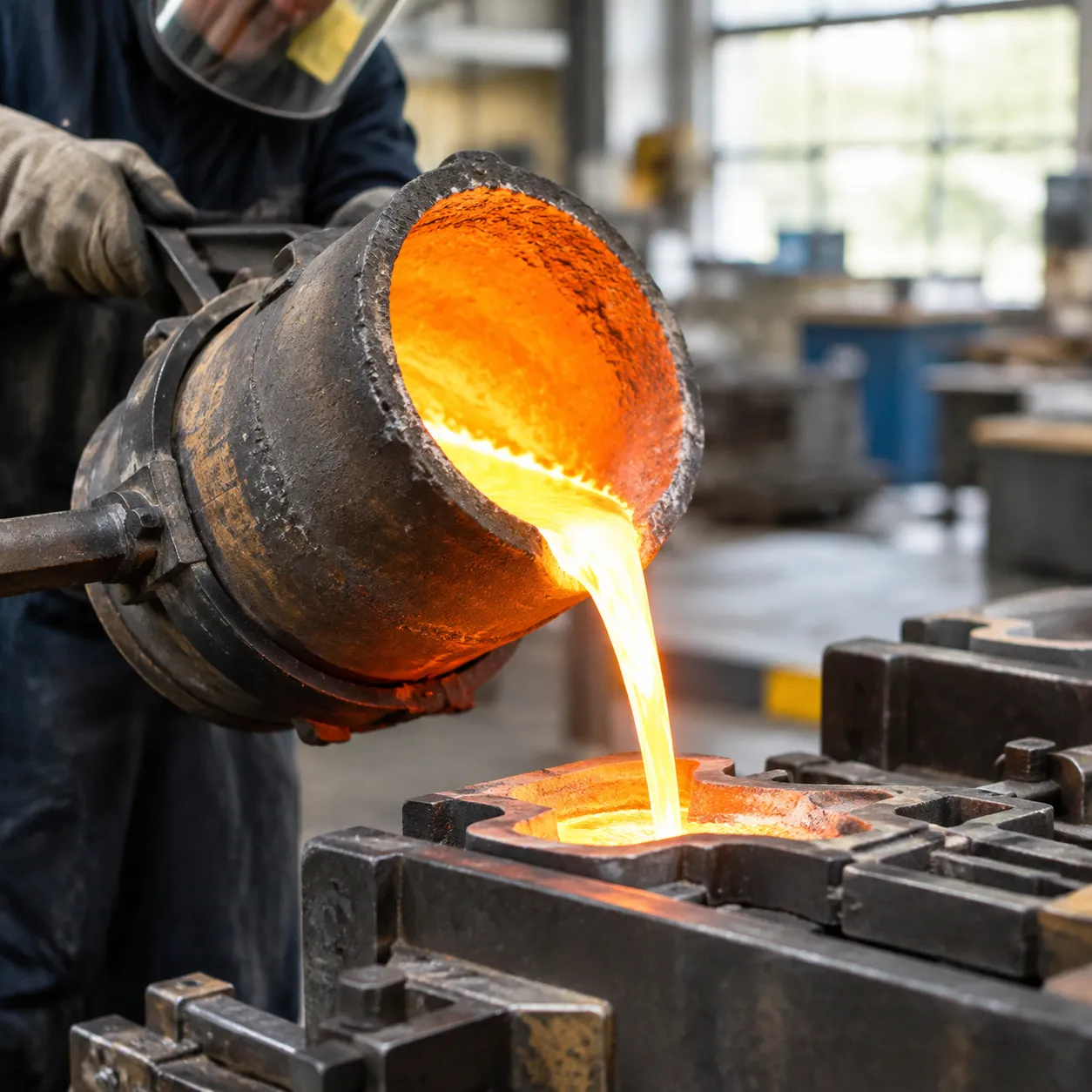
Flawless A356 aluminum alloy castings start with clean melt management. Our foundry controls maintain strict purity standards before every pour:
- Refining & Fluxing: Removes non-metallic inclusions and oxide skins to ensure clean metal.
- Rotary Degassing: Injecting argon gas reduces dissolved hydrogen and prevents internal gas porosity.
- Grain Refinement: Precise titanium-boron additions fine-tune the alloy microstructure for maximum mechanical strength.
For a deeper look into casting methods and material handling, explore our detailed mold and cast guide.
Rigorous Quality Inspection Methods
We test every batch of aluminum a356 to ensure complete compliance with global mechanical and dimensional standards.
| Inspection Area | Testing Method | Verification Goal |
|---|---|---|
| Chemical Analysis | Optical Emission Spectrometry (OES) | Verifies precise elemental composition (Si, Mg, Fe limits) |
| Mechanical Properties | Tensile, Yield, & Hardness Testing | Validates strength and elongation for T5 and T6 tempers |
| Internal Defects | X-Ray Radiography & Ultrasonic Testing | Identifies gas porosity, shrinkage, and inclusions |
| Dimensional Accuracy | CMM & Optical Scanners | Ensures tight tolerances across complex casting geometries |
Our quality control integrates automated measurement workflows, including advanced vision inspection equipment, ensuring zero-defect deliveries for high-precision applications.
Frequently Asked Questions About A356 Aluminum
We regularly help buyers and engineers select the right materials for high-performance cast parts. Here are direct answers to the most common questions we receive regarding A356 aluminum alloy.
What is A356 aluminum used for?
We utilize A356 aluminum casting primarily for structural, high-strength parts that require excellent pressure tightness and corrosion resistance.
- Automotive: Lightweight alloy wheels, engine blocks, cylinder heads, and suspension brackets.
- Aerospace: High-stress structural airframe castings and precision pump housings.
- Industrial & Marine: Compressor impellers, valve bodies, power tool housings, and marine hardware.
Is A356 better than 356 aluminum?
Yes, A356 aluminum is a higher-purity version of standard 356 alloy. By strictly limiting the iron content (0.20% max in A356 versus up to 0.6% in 356), A356 achieves significantly higher ductility, elongation, and impact toughness without sacrificing yield strength.
| Feature | Standard 356 | A356 Alloy |
|---|---|---|
| Max Iron (Fe) Content | 0.60% | 0.20% |
| Ductility / Elongation | Lower | Higher |
| Impact Resistance | Standard | Superior |
| Primary Use Case | General castings | Critical high-stress parts |
Can A356 aluminum be T6 heat treated?
Yes. In fact, A356 T6 aluminum is the most common specification we deliver to clients needing maximum mechanical strength. The T6 temper process involves solution heat treating, quenching, and artificial aging to maximize yield strength and hardness while maintaining structural stability.
What is the difference between A356 and 6061 aluminum?
The core difference lies in how these metals are processed. A356 is a cast aluminum alloy formulated to be melted and poured into molds, whereas 6061 is a wrought aluminum alloy designed for extruding, rolling, or machining. Reviewing the difference between forging and casting provides a clear view of how these manufacturing routes impact component performance and unit costs.
Is A356 suitable for marine applications and precision casting?
Absolutely. Cast aluminum A356 forms a protective natural oxide layer, giving it outstanding resistance to saltwater and outdoor atmospheric corrosion. Furthermore, its exceptional liquid fluidity makes it ideal for precision processes like investment casting and permanent mold casting, ensuring tight tolerances and excellent surface finishes for intricate components.
 English
  Russian
  German