
2026年10月4日
Cobalt based alloy delivering exceptional strength wear resistance and heat performance for demanding industrial applications

Core Material Properties & Engineering Advantages of Cobalt Based Alloys
We engineer our cobalt based alloy products to withstand the world's most aggressive operating environments. Where standard stainless steels, tool steels, and conventional nickel alloys fail under combined thermal, mechanical, and chemical stresses, our cobalt alloy solutions deliver uncompromising durability, continuous operational reliability, and extended component service life.
Exceptional High-Temperature Mechanical Strength & Creep Resistance
Our high-temperature cobalt alloy grades maintain structural integrity and load-bearing performance under sustained thermal loading: Elevated Temperature Hardness: Retains high yield strength and hardness at temperatures exceeding 600°C (1112°F) to over 1000°C (1832°F). Superior Creep & Stress-Rupture Resistance: The solid-solution strengthened matrix combined with hard refractory carbide dispersions resists plastic deformation under prolonged high-temperature stress. Thermal Fatigue Resistance: High resistance to thermal shock and cyclic degradation in rapid heating and cooling cycles.
Superior Wear, Galling, and Cavitation Resistance
Cobalt superalloy microstructures feature hard, uniformly distributed carbide networks within a tough, work-hardening cobalt-rich matrix: Anti-Galling Performance: Resists material transfer and self-welding during metal-to-metal contact, even under dry, unlubricated sliding conditions. Abrasive & Erosive Wear Protection: Tough carbide phases effectively resist aggressive particulate erosion, sliding abrasion, and surface scoring. Cavitation Erosion Resistance: Highly resistant to localized shock-wave micro-jetting and surface fatigue in high-velocity liquid flow systems.
Advanced Corrosion & Oxidation Resistance
Every wear-resistant cobalt alloy we manufacture is designed for severe chemical and atmospheric exposure: Protective Passive Film Formation: High chromium content enables the rapid formation of a self-healing, adherent Cr2O3 oxide surface layer. Hot Corrosion & Sulfidation Resistance: Exceptional resistance to hot gas attack, sulfur-bearing atmospheres, and combustion exhaust streams. Chemical Media Compatibility: Strong resistance to oxidizing acids, caustic solutions, chlorides, and harsh industrial process fluids.
Biocompatibility & Non-Magnetic Stability
Our specialized cobalt-chromium formulations deliver specialized physical and metallurgical stability: Biological Inertness: Outstanding biocompatibility and cell viability for surgical implants and medical devices. Non-Magnetic Properties: Retains a stable, non-magnetic austenitic crystal structure, making it ideal for sensitive instrumentation, downhole sensors, and specialized electronic housings. High Modulus of Elasticity: Provides rigid structural response with minimal elastic deflection in critical load-bearing assemblies.
Cobalt-Based Alloy Product Gallery & Form Factors

We supply cobalt based alloy materials in diverse structural forms to match exact engineering requirements, severe operating conditions, and distinct manufacturing workflows.
Precision Investment Castings
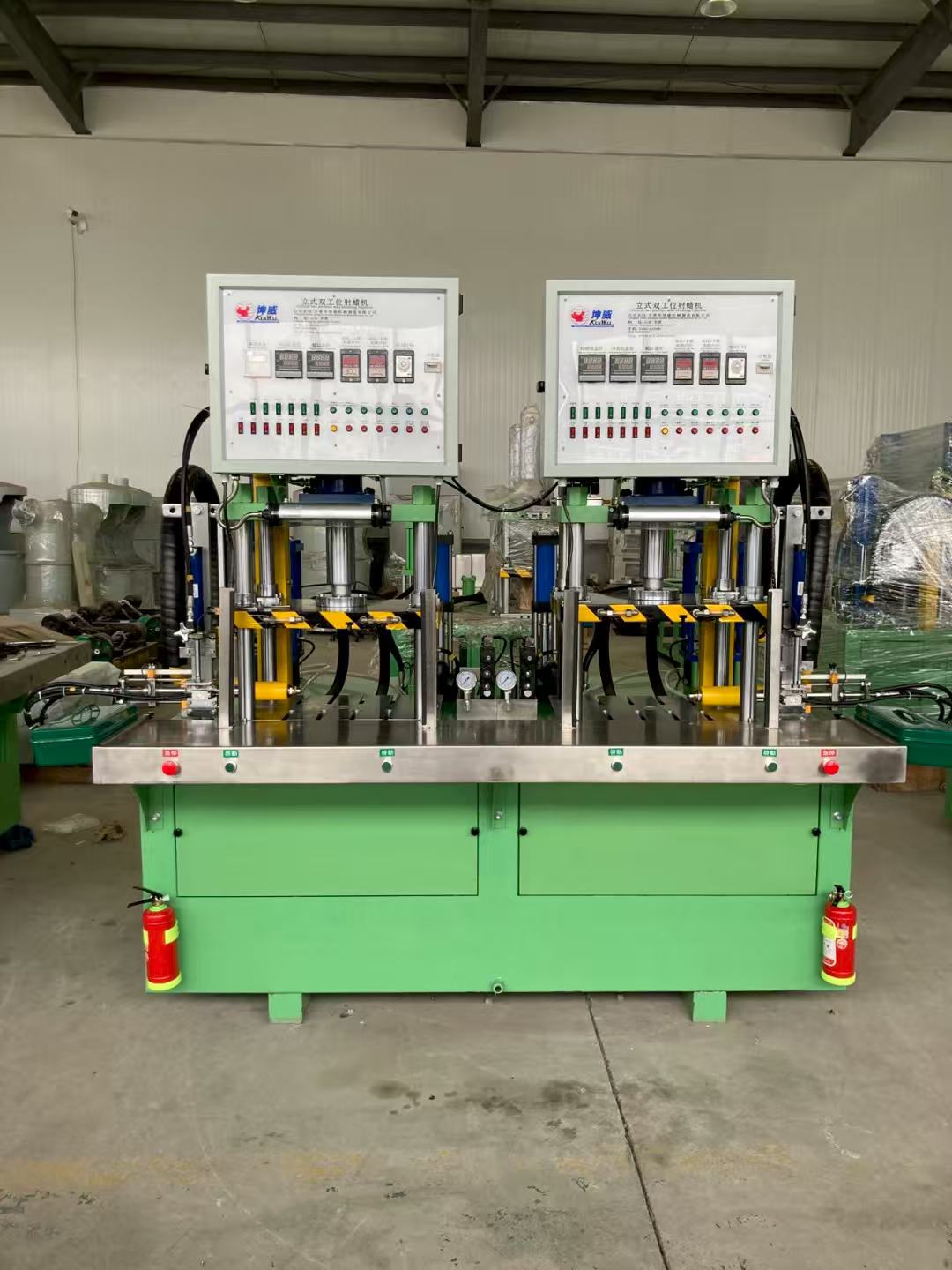
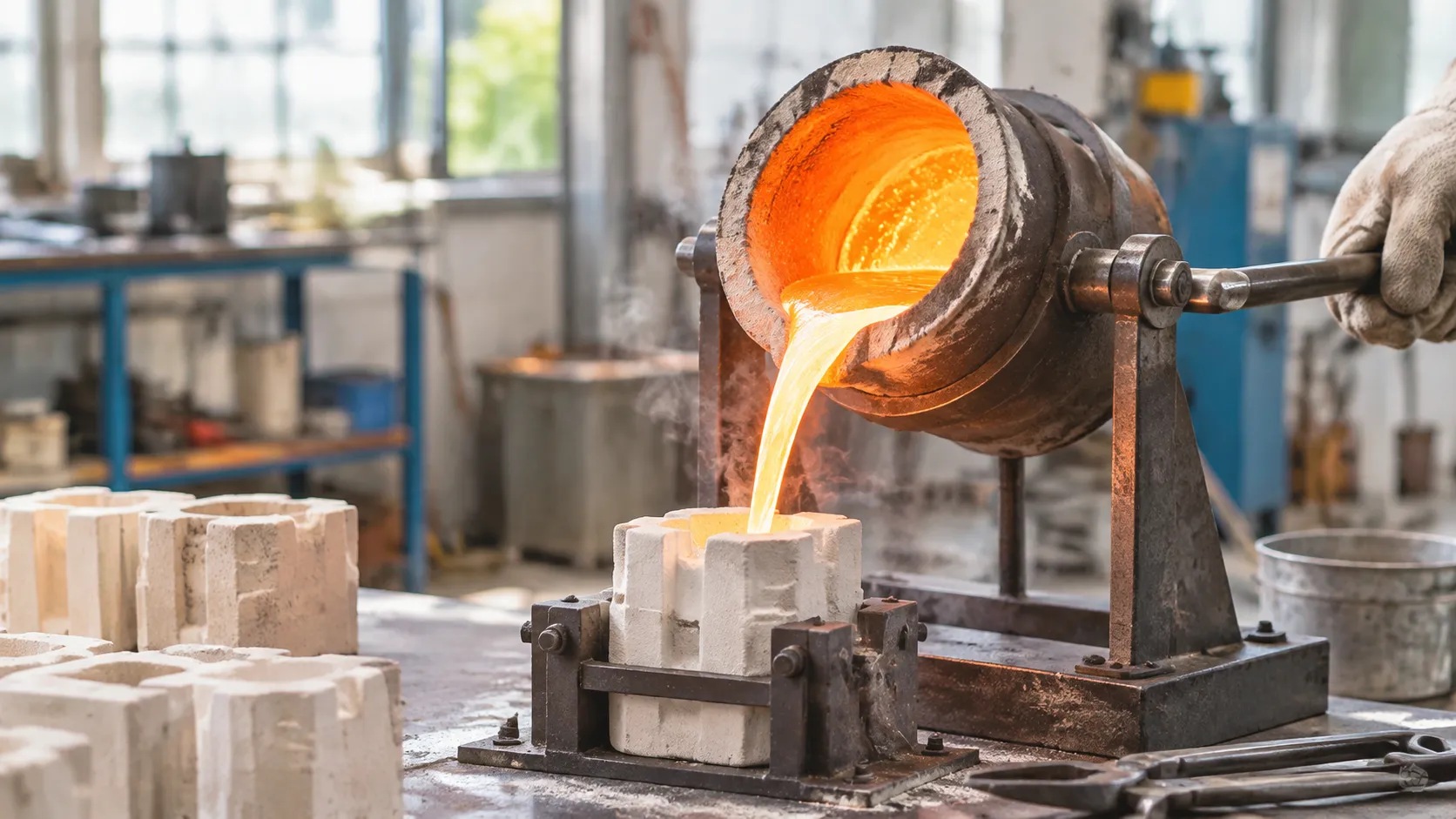
Using near-net-shape lost-wax techniques, we produce complex components with tight dimensional tolerances and superior surface finishes. We offer dedicated investment and precision casting services for metal parts to minimize secondary machining for turbine vanes, chemical impellers, and wear rings. For structural integrity in severe thermal environments, our cobalt-based casting alloys for durable precision parts provide consistent density, zero internal shrinkage, and high wear resistance.
Continuous Cast Bars & Forged Rods
Our continuous cast and forged cobalt base bar stock supplies high-density raw material for subtractive machining. Diameters: 6 mm to 150 mm (custom lengths available) Microstructure: Fine-grained, segregation-free carbide distribution Applications: Bushings, guide rollers, bearings, and non-galling shafts
Hardfacing & Welding Consumables
We provide cobalt-based hardfacing rod and wire materials engineered for surface overlay protection against severe abrasion, impact, and high-temperature oxidation. TIG & Oxy-Acetylene Rods: Bare cast rods for smooth manual overlays MIG & Submerged Arc Wires: Continuous solid and flux-cored spools for automated cladding PTA & Laser Cladding Powders: Sized for high-deposition efficiency and low dilution
Gas-Atomized Metal Powders for Additive Manufacturing
Spherical, gas-atomized powders optimized for selective laser melting (SLM), direct metal laser sintering (DMLS), and electron beam melting (EBM). Particle Size Distribution: 15–45 µm (Laser PBF) and 45–106 µm (DED / PTA) Powder Qualities: High flowability, low oxygen content, and consistent packing density
Custom Finished CNC Machined Valve Trims & Parts
We deliver turnkey, fully finished components machined to customer drawings using rigid CNC grinding and hard-turning processes. Specialties: Valve seats, flow control plugs, cavitation-resistant sleeves, and pump plungers Tolerances: Down to ±0.005 mm with mirror surface polishing (Ra < 0.2 µm)
Standard Cobalt Alloy Grades & Chemical Composition Matrix

We manufacture and supply a full range of industry-standard cobalt based alloy grades designed to handle extreme wear, mechanical shock, thermal fatigue, and corrosive environments. Choosing the correct grade ensures maximum component life and operational reliability.
Wear & General Purpose Hardfacing Grades (Grade 6, Grade 1, Grade 12)
These alloys rely on a robust cobalt-chromium-tungsten matrix reinforced with heavy carbide volume:
- Grade 6 (Stellite 6 equivalent): The industry benchmark wear-resistant cobalt alloy. It offers an optimal balance of impact strength, galling resistance, and hot hardness up to 500°C (932°F). Widely used for valve trims, fluid handling, and pump sleeves.
- Grade 1: High carbon and tungsten content delivers exceptional resistance to extreme abrasion, erosion, and sliding wear at the cost of some ductility.
- Grade 12: Features higher tungsten content than Grade 6, bridging the gap between impact strength and superior abrasion resistance for cutting edges, saw tips, and extrusion dies.
If your component requires near-net-shape geometries in these materials, our cobalt investment casting services provide tight dimensional control with minimal post-machining.
High-Temperature & Corrosion-Resistant Grades (Grade 21 / CoCrMo, Grade 25 / L605, Grade 31 / X-40)
These grades replace heavy tungsten with molybdenum or nickel to optimize ductility, thermal stability, and biocompatibility:
- Grade 21 (CoCrMo alloy): A low-carbon, molybdenum-strengthened alloy offering outstanding resistance to thermal shock, cavitation, and oxidizing acids. Common in aerospace valves, medical prosthetics, and turbine fluid seals.
- Grade 25 (L605): A wrought cobalt superalloy with high tungsten and nickel content, offering extreme tensile strength, oxidation resistance up to 980°C (1800°F), and excellent forming characteristics.
- Grade 31 (X-40): An established cast cobalt superalloy optimized for high stress-rupture strength in gas turbine vanes and high-temperature structural components.
Standard Grade Specification & Chemical Composition Table
| Alloy Grade | UNS / Werkstoff | Co (%) | Cr (%) | W (%) | Mo (%) | Ni (%) | C (%) | Fe (%) |
|---|---|---|---|---|---|---|---|---|
| Grade 6 | R30006 / 2.4996 | Bal. | 27.0–32.0 | 4.0–6.0 | ≤ 1.0 | ≤ 3.0 | 0.9–1.4 | ≤ 3.0 |
| Grade 1 | R30001 / 2.4994 | Bal. | 29.0–33.0 | 11.0–14.0 | ≤ 1.0 | ≤ 3.0 | 2.0–3.0 | ≤ 3.0 |
| Grade 12 | R30012 / 2.4995 | Bal. | 28.0–32.0 | 7.5–9.5 | ≤ 1.0 | ≤ 3.0 | 1.2–1.7 | ≤ 3.0 |
| Grade 21 | R30021 / 2.4997 | Bal. | 26.0–30.0 | ≤ 0.5 | 4.5–7.0 | 1.5–3.5 | 0.2–0.35 | ≤ 2.0 |
| Grade 25 (L605) | R30605 / 2.4964 | Bal. | 19.0–21.0 | 14.0–16.0 | — | 9.0–11.0 | 0.05–0.15 | ≤ 3.0 |
| Grade 31 (X-40) | R30031 / 2.4998 | Bal. | 24.5–26.5 | 7.0–8.0 | — | 9.5–11.5 | 0.45–0.55 | ≤ 2.0 |
Typical Mechanical & Physical Properties of Cobalt Base Alloys
When standard steels and standard nickel grades soften under friction and heat, a cobalt based alloy maintains its structural integrity. We rely on these materials because their solid-solution matrix and dispersed carbides provide unmatched mechanical stability across demanding temperature and load spectrums.
Material Property Performance Metrics Table
The balanced baseline values below reflect the core cobalt alloy mechanical properties across typical casting and wrought forms:
| Property Metric | Typical Value Range | Engineering Significance |
|---|---|---|
| Density | 8.3 – 8.8 g/cm³ | Provides high structural density and thermal mass |
| Tensile Strength (UTS) | 750 – 1,150 MPa | Resists mechanical failure under high working tension |
| Yield Strength (0.2% Offset) | 500 – 850 MPa | Prevents deformation under localized mechanical loads |
| Hardness (Room Temperature) | 30 – 62 HRC | Delivers high baseline resistance against abrasion |
| Melting Range | 1,280 – 1,395 °C | Ensures dimensional stability in extreme thermal zones |
| Coefficient of Thermal Expansion | 11.5 – 14.5 µm/m·K | Compatible with various mating steel components |
For demanding service environments, selecting the right form factor from our cobalt-based alloy products ensures components hit exact yield and hardness specifications under continuous operation.
Elevated Temperature Hardness Retention Curve vs. Nickel Alloys and Tool Steels
The true strength of a high-temperature cobalt alloy lies in its hot hardness (red hardness) retention:
- Tool Steels vs. Cobalt Alloys: High-speed and tool steels lose significant hardness rapidly once temperatures exceed 500°C to 550°C due to carbide coarsening and matrix recovery. In contrast, cobalt-based materials retain over 70% of their baseline room-temperature hardness past 700°C.
- Nickel Alloys vs. Cobalt Alloys: While nickel superalloys offer excellent creep strength at elevated temperatures, a wear-resistant cobalt alloy outperforms them in sliding contact and unlubricated environments. The stable cobalt crystal structure prevents galling and micro-welding at elevated operating temperatures where nickel grades typically bond and tear.
- Thermal Shock Durability: The low thermal expansion rate and high thermal fatigue resistance allow cobalt alloys to survive cyclic thermal loading without developing micro-cracks along critical load surfaces.
Available Product Forms & Manufacturing Methods

We supply every standard form factor of cobalt based alloy materials to match your specific production requirements, from raw stock to fully finished parts.
+-----------------------------------------------------------------------------------+ | COBALT ALLOY MANUFACTURING METHODS | +---------------------+-----------------------+------------------+------------------+ | Investment Casting | Continuous Cast Stock | Welding Alloys | Metal Powders | | - Complex geometry | - Round/flat bars | - Bare TIG rods | - Spherical atom | | - Near-net shape | - Precision ground | - MIG/PTA wire | - SLM/DMLS/EBM | | - Minimal machining | - Custom forgings | - SMAW electrode | - High purity | +---------------------+-----------------------+------------------+------------------+
Precision Investment Castings via Lost-Wax Process
We manufacture near-net-shape cobalt alloy investment casting components for parts with complex internal channels, thin walls, and tight dimensional tolerances.
- Process Advantage: Using automated pattern assembly and stable ceramic shells, we achieve consistent casting integrity with minimal material waste.
- Capabilities: Tight linear tolerances, exceptional surface finishes (Ra 3.2 µm or better), and sound internal metallurgy for high-stress applications.
- Applications: Valve cages, turbine nozzles, flow control trims, and wear pads.
Continuous Cast Bar Stock & Forged Rods for Subtractive Machining
Our solid cobalt base bar stock and forged rods provide dense, defect-free material for standard subtractive machining.
- Size Range: Diameters from 6 mm to over 150 mm in standard and custom lengths.
- Surface Condition: Centerless ground, peeled, or rough turned with strict straightness controls.
- Structure: Homogeneous grain distribution free from internal voids, shrinkage, or segregation.
Hardfacing & Welding Consumables (TIG, SMAW, MIG, PTA)
To protect critical wear zones on lower-cost base metals, we supply premium cobalt-based hardfacing rod and wire consumables.
- TIG & Oxy-Acetylene Rods: Bare cast rods providing clean, porosity-free deposit layers.
- PTA & Laser Cladding Powders: Optimized particle sizing for high deposition efficiency and smooth overlay profiles.
- MIG Wires & SMAW Electrodes: Solid and flux-coated options engineered for strong arc stability and crack-free weld beads.
Gas-Atomized Metal Powders for 3D Printing (SLM, DMLS, EBM)
We produce premium gas atomized cobalt powder tailored for additive manufacturing and metal injection molding.
- Morphology: Highly spherical particles with high flowability and tap density.
- Particle Size Distributions: 15–45 µm (SLM/DMLS), 45–106 µm (EBM), and custom ranges for laser cladding.
- Purity: Ultra-low oxygen and nitrogen levels to ensure full density in printed parts.
Turnkey Custom Finished CNC Machining and Surface Grinding
Because wear-resistant cobalt alloys work-harden rapidly, machining them demands specialized tooling and rigid setups. We deliver fully finished precision machining parts and custom CNC components directly to your exact print dimensions.
- Multi-Axis Milling & Turning: Tight tolerances down to ±0.005 mm on hard-faced or cast parts.
- Finishing Operations: Precision OD/ID grinding, lapping, and super-finishing for sealing faces.
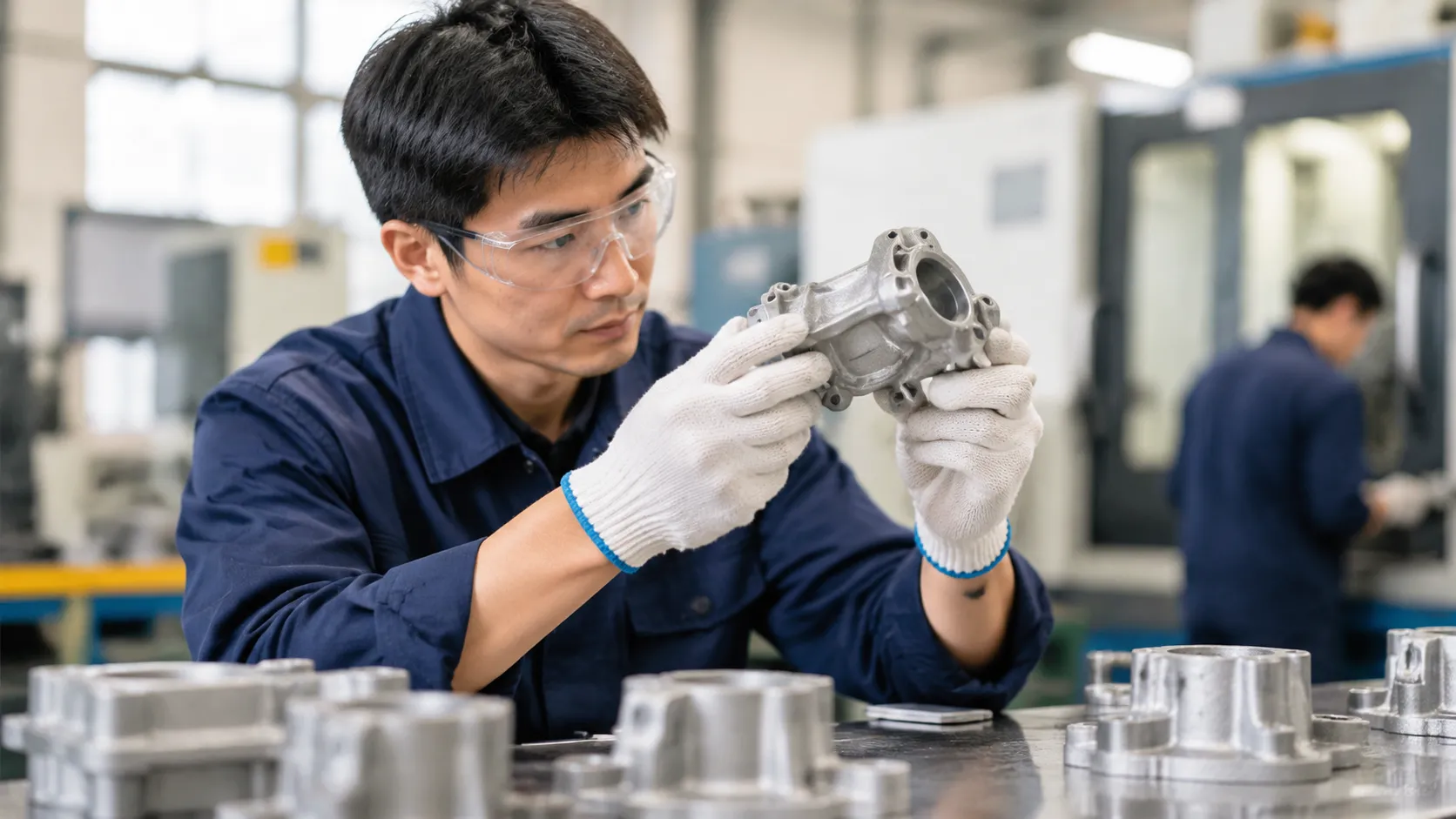
- Inspection: Full CMM verification, surface roughness reporting, and dimensional inspection reports included with every shipment.
Industrial Applications & Critical Service Environments for Cobalt Based Alloys

When standard stainless steels and nickel alloys fail under extreme heat, abrasion, and aggressive chemical attack, we deploy cobalt based alloy solutions. Our materials withstand severe mechanical shock, unlubricated metal-to-metal contact, and corrosive process streams across demanding operating environments.
Aerospace & Power Generation (Turbine Blades, Vanes, Combustors)
In modern jet engines and land-based gas turbines, components in the hot gas path face continuous thermal cycling and hot corrosion: High-stress hot components: We manufacture stator vanes, nozzle guide rings, combustor liners, and fuel nozzles that maintain structural integrity above 1000°C. Complex aerodynamics: Utilizing advanced manufacturing techniques like lost-wax casting turbine blades, we deliver parts with precise dimensional accuracy and superior creep rupture strength. Thermal fatigue resistance: Our high-temperature cobalt alloy grades prevent micro-cracking caused by rapid turbine startup and shutdown cycles.
Oil & Gas / Petrochemical Processing (Valve Trims, Chokes, Pump Sleeves)
Upstream drilling and downstream refining subject flow components to severe sand slurry erosion, sour gas ($H_2S$), and cavitation: Severe service trims: We supply wear-resistant cobalt alloy valve trim sets, seats, and plugs engineered for severe-drop pressure conditions. Durable flow solutions: Integrating hardfaced and solid cast elements into casting valve flow control components prevents galling and erosive washouts in subsea choke valves. Rotating equipment: Pump sleeves, mechanical seal rings, and hydrocyclone liners benefit from continuous metal-to-metal contact resistance without seizing.
Medical & Orthopedic Implants (Joint Prosthetics, ASTM F75 Fixation)
Biocompatibility and fatigue endurance make cobalt-chromium alloy materials the benchmark for long-term surgical implants: Total joint replacements: We cast and machine CoCrMo femoral heads, knee joints, and acetabular cups that resist joint fluid corrosion and micro-motion fretting. Surgical fixation: ASTM F75 and F1537 compliant bone plates, spinal fixation rods, and trauma screws ensure high yield strength and non-magnetic stability during MRI diagnostic imaging. Porous coating substrates: Ideal base structures for hydroxyapatite coatings that promote rapid osseointegration.
Metalworking, Tooling & Wood Processing (Extrusion Dies, Saw Tips, Cutters)
Industrial tooling operations demand high hot-hardness and resistance to edge chipping: Hot extrusion & forming: Cobalt base bar stock and inserts retain cutting-edge hardness during hot copper, aluminum, and steel extrusion cycles. Wood & biomass cutting: Stellite equivalent alloy saw tips and chipper knives resist abrasive wood minerals and organic tannic acid corrosion. Fluid shear tooling: Shredder blocks, guide rollers, and pulverizing hammer heads deliver extended tool life, reducing line changeovers and unexpected production downtime.
Quality Control, Testing & Global Certification Standards
We verify every batch of cobalt based alloy components to meet critical operational demands. Our testing infrastructure ensures dimensional precision, structural integrity, and full alloy compliance before dispatch.
Metallurgical & Dimensional Quality Assurance (OES, ICP, CMM)
We eliminate material variations and out-of-spec tolerances through multi-stage inspection:
- Chemical Verification: Optical Emission Spectroscopy (OES) and Inductively Coupled Plasma (ICP) analysis confirm elemental composition for every melt.
- Dimensional Accuracy: Coordinate Measuring Machines (CMM) and 3D optical scanning verify complex geometries against your CAD models.
- Microstructure & Hardness: Optical microscopy, Rockwell (HRC), and Vickers (HV) testing evaluate carbide distribution and surface hardness.
We enforce rigorous casting quality standards for reliable metal parts to ensure consistent mechanical performance in severe service environments.
Non-Destructive Testing Protocol (RT, LPI, UT, EN 10204 Traceability)
Our non-destructive testing (NDT) identifies internal and surface defects without compromising finished components:
- Liquid Penetrant Inspection (LPI): Detects surface-breaking cracks, porosity, and micro-fissures on critical sealing faces.
- Radiographic Testing (RT): X-ray inspection evaluates internal soundness for high-pressure applications.
- Ultrasonic Testing (UT): Assesses sub-surface integrity in continuous cast bars and forged shapes.
- Material Certification: Every delivery includes full traceability documentation conforming to EN 10204 3.1 or EN 10204 3.2 inspection certificates.
Global Industry Standards Compliance (ASTM, AMS, ISO 9001, AS9100)
Our manufacturing processes align with international quality frameworks to ensure compliance across critical industries:
| Standard | Scope & Application |
|---|---|
| ISO 9001 | General quality management and manufacturing process control |
| AS9100 | Aerospace quality requirements for high-temperature turbine components |
| ASTM F75 / ASTM F1537 | Medical-grade cobalt-chromium alloy specifications for surgical implants |
| AMS Standards | Aerospace material specifications for wear-resistant cobalt alloys |
Custom Manufacturing & RFQ Engineering Workflow
We streamline custom cobalt based alloy component production through an integrated engineering workflow designed to reduce lead times, minimize scrap rates, and ensure repeatable metallurgical performance in demanding operating environments.
Step 1: Drawing & Specification Review for Operating Media and Wear Modes
Our engineering team analyzes your 2D prints, 3D CAD models, and application requirements to identify the primary failure modes in your system. Service Environment Evaluation: We assess continuous operating temperatures, thermal cycling, corrosive chemical exposure, and mechanical load limits. Wear Analysis: We match the wear profile—such as metal-to-metal galling, high-stress abrasion, cavitation, or particle erosion—with the proper Stellite-equivalent or CoCrMo grade. Design for Manufacturability (DFM): We provide tolerance optimization, draft angle adjustments, and machining allowance recommendations to reduce overall unit costs.
Step 2: Prototyping & Pilot Casting/Machining
Once specifications are locked, we transition directly to pilot production to validate tooling, geometry, and surface finishes before full-scale manufacturing. We utilize precision tooling and advanced processes such as cobalt-based casting for heat, wear, and corrosion resistance to produce near-net-shape components. Prototype runs undergo complete subtractive CNC milling, wire EDM, and cylindrical grinding to ensure tight dimensional adherence. Initial pilot parts are supplied for fit-checks, bench testing, and field validation.
Step 3: Quality Control & Material Certification Validation
Every batch of cobalt based alloy parts undergoes non-destructive and destructive testing protocols to verify structural integrity. Chemical Composition: Optical Emission Spectrometry (OES) verifies exact elemental balances across cobalt, chromium, tungsten, molybdenum, and carbon. Mechanical & Hardness Testing: Rockwell and Vickers hardness testing confirms matrix hardness and elevated-temperature wear properties. Non-Destructive Examination (NDE): Liquid penetrant inspection (LPI) and radiographic testing (RT) ensure zero subsurface porosity, cracks, or inclusions. Traceability: Complete EN 10204 3.1 material test reports (MTR) accompany all shipments.
Step 4: Secure Packaging & Global Export Logistics
To protect finished surfaces, precision ground seats, and sealing edges, we apply industrial export-grade packaging standards. Components are treated with vapor corrosion inhibitors (VCI), shrink-wrapped, and packed in reinforced, foam-lined wooden crates. We manage international compliance, customs clearance documentation, and multi-modal logistics for reliable global delivery to your production facility.
Frequently Asked Questions About Cobalt Based Alloys
What is the difference between cobalt-based alloys and nickel-based superalloys?
While both materials operate reliably in severe thermal environments, their performance profiles address distinct engineering challenges:
| Feature | Cobalt Based Alloy | Nickel-Based Superalloy |
|---|---|---|
| Primary Strength Mechanism | Solid-solution matrix reinforced with hard refractory carbides | Gamma prime precipitation hardening |
| Wear & Galling Resistance | Superior in metal-to-metal contact and unlubricated sliding | Moderate; susceptible to galling under friction |
| Hot Corrosion & Sulfidation | Excellent resistance in sulfur-rich exhaust and flue gases | Good oxidation resistance, moderate sulfidation limits |
| Thermal Fatigue Retention | Maintains hardness through repeated high-heat thermal cycles | Superior absolute tensile and creep strength at peak limits |
How do cobalt-based alloys handle extreme wear and galling without lubrication?
A cobalt based alloy resists adhesive wear and galling due to its low stacking-fault energy. Under mechanical friction, the cobalt-chromium matrix undergoes a phase transformation that absorbs stress and forms a work-hardened surface glaze. Microscopic chromium and tungsten carbides distributed throughout the material block material transfer and micro-welding, allowing parts to function smoothly even when dry or unlubricated.
Can custom-machined finished components be manufactured directly from 2D/3D CAD drawings?
Yes. We manufacture fully finished components directly from standard CAD models (STEP, IGES, DXF, and DWG). Utilizing specialized cobalt alloy casting services alongside multi-axis CNC milling, turning, and EDM grinding, we deliver final parts that strictly adhere to print tolerances, surface finish specifications, and quality requirements.
Which cobalt alloy grade is best for high-temperature valve trim applications?
- Grade 6 (CoCr-A): The industry standard for general-purpose valve trims, steam seats, and pump sleeves operating under combined wear and corrosion up to 500°C (932°F).
- Grade 21 (CoCrMo): Best for components exposed to aggressive chemicals, thermal shock, and cavitation up to 800°C (1472°F).
- Grade 12 (CoCr-B): Recommended where higher abrasion and erosive wear resistance are required at elevated temperatures.
What lead times and minimum order quantities apply for custom castings versus stock bars?
- Stock Continuous Cast Bars & Cut Rods: Shipped within 3 to 7 business days with low or no minimum order requirements.
- Custom Precision Castings: Initial tooling and sample prototypes take approximately 3 to 5 weeks, followed by standard production runs of 4 to 6 weeks. Depending on your geometry and production volume, understanding the difference between forging and casting helps pinpoint the most cost-effective route for small batches and volume runs alike.
 English
 Russian
 German