
2026年9月3日
Aluminum investment casting for precision parts with tight tolerances smooth finish and custom alloys for aerospace and industrial use
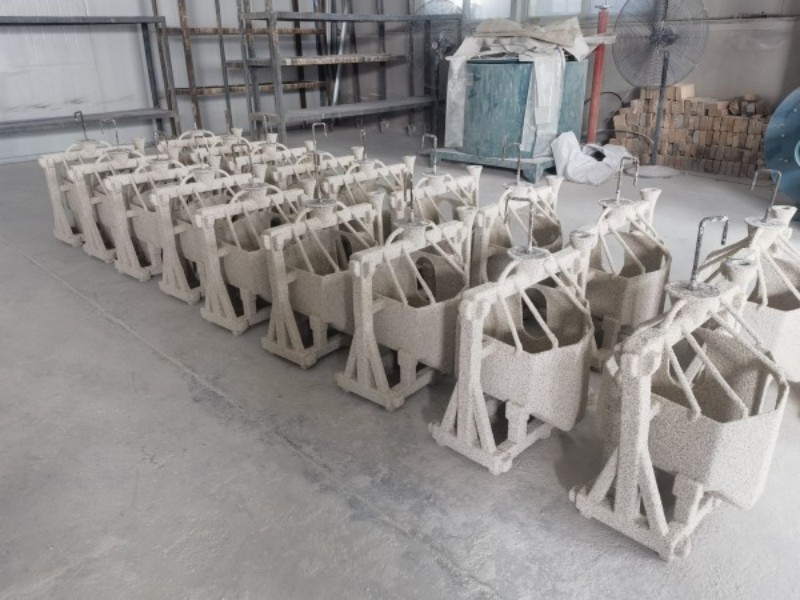
What is Aluminum Investment Casting?
We rely on aluminum investment casting—often called lost wax aluminum casting—to manufacture complex, net-shape components that eliminate costly secondary machining. When your engineering designs demand intricate internal passages, thin walls, and exceptional surface quality, this process delivers precision that sand and die casting cannot replicate.
Core Mechanics of Lost Wax Aluminum Casting
The process relies on expendable wax patterns and ceramic shell molds to achieve near-net-shape accuracy:
- Wax Pattern Injection: We inject molten wax into a precision aluminum die to create an exact replica of your part.
- Ceramic Shell Building: We submerge the wax tree into ceramic slurry and coat it with refractory sand to build a rigid, multi-layer shell mold.
- Dewaxing and Preheating: We steam-autoclave the mold to melt out the wax, then preheat the hollow ceramic shell to prepare it for liquid metal.
- Pouring and Knockout: We pour molten aluminum alloy into the preheated ceramic shell. Once cooled, we break away the ceramic shell to expose the raw aluminum casting.
Key Mechanical Properties of Cast Aluminum Alloys
Choosing investment cast aluminum gives your components a distinct performance advantage in critical applications:
- High Strength-to-Weight Ratio: Delivers structural rigidity while drastically reducing total assembly weight.
- Excellent Corrosion Resistance: Forms a natural oxide layer that protects parts in aggressive atmospheric and marine environments.
- Superior Thermal and Electrical Conductivity: Efficiently transfers heat away from critical power electronics and engine systems.
- Dimensional Stability: Maintains tight structural tolerances under severe operational stress and thermal cycling.
Investment Casting vs. Die Casting and Sand Casting
Selecting the wrong process inflates unit costs and leads to premature part failure. We break down how these three primary aluminum casting methods compare:
| Feature | Investment Casting | Die Casting | Sand Casting |
|---|---|---|---|
| Surface Finish | Smooth (Ra 3.2 µm / 125 µin) | Smooth (Ra 1.6–3.2 µm) | Rough (Ra 12.5+ µm) |
| Design Complexity | Extremely High (Undercuts & thin walls) | Moderate (Constrained by draft angles) | Low to Moderate |
| Dimensional Tolerance | Tight (±0.005 in/in) | Moderate to Tight | Loose |
| Tooling Cost | Moderate | High | Low |
| Optimal Production Volume | Low to Medium (10 – 10,000+ units) | High (10,000+ units) | Low (1 – 500 units) |
Common Aluminum Alloys for Investment Casting
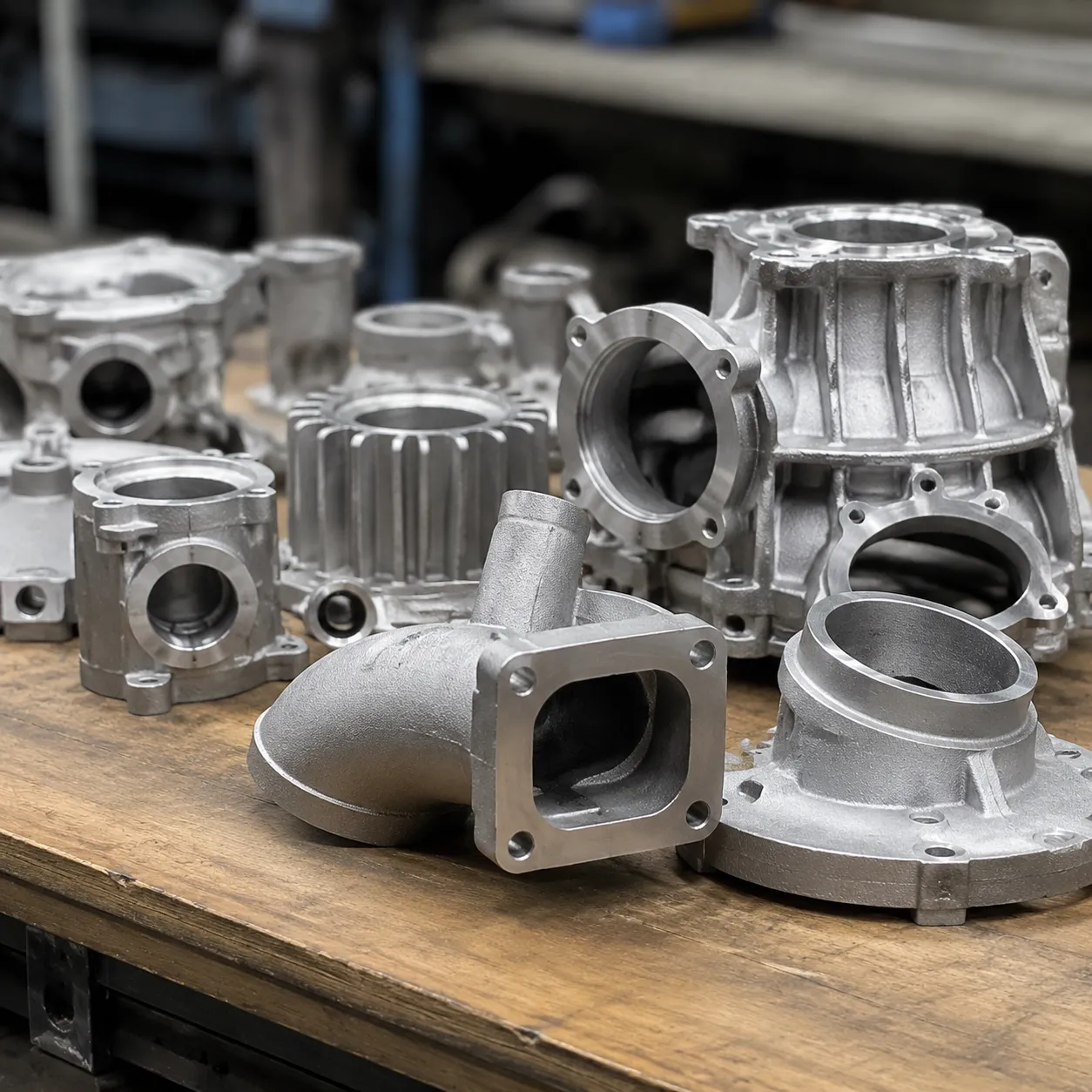
Selecting the right metal grade for your aluminum investment casting project determines whether your component can handle structural loads, resist pressure leaks, or stay within budget. We work with a wide range of foundry alloys to match your exact mechanical requirements.
A356 Aluminum for Structural Strength and Pressure Tightness
A356 aluminum casting alloy is our primary choice for structural parts that require leak prevention and high mechanical strength. When heat treated to T6 temper, it delivers exceptional ductility and corrosion resistance. Key Traits: High strength-to-weight ratio, superior weldability, excellent pressure tightness. Top Uses: Structural aerospace brackets, pump impellers, liquid-tight valve bodies, and defense hardware.
A380 Aluminum for High Fluidity and Cost Efficiency
For high-volume runs with thin walls or intricate surface details, A380 aluminum alloy offers maximum fluidity during pouring. It minimizes tooling wear and keeps unit costs low. Key Traits: Superior castability, tight dimensional stability, cost-effective for large production runs. Top Uses: Electronic enclosures, motor housings, brackets, and non-structural automotive parts.
C355 Aluminum for Elevated Temperature Resistance
When your components operate under heat and mechanical stress, C355 provides better thermal endurance and higher yield strength than standard alloys. Key Traits: Retains hardness and fatigue resistance at higher temperatures. Top Uses: Turbocharger housings, high-performance engine parts, and compressor wheels.
Choosing the Right Aluminum Alloy for Your Component
To balance weight, strength, and unit cost, evaluate your project's mechanical demands before committing to tooling. You can explore our comprehensive aluminum alloy casting guide for an in-depth comparison of process capabilities, or partner with our precision aluminum investment casting services to select the ideal material.
| Alloy Grade | Tensile Strength (MPa) | Yield Strength (MPa) | Best Feature | Primary Application |
|---|---|---|---|---|
| A356-T6 | 230 – 290 | 160 – 200 | Pressure tightness & high strength | Aerospace, valves, structural frames |
| A380 | 320 | 160 | High fluidity & low unit cost | Enclosures, heat sinks, covers |
| C355-T6 | 250 – 310 | 170 – 220 | Heat resistance & high yield | Turbochargers, engine components |
Step-by-Step Aluminum Investment Casting Process
We control every stage of our lost wax aluminum casting workflow to deliver dense, defect-free parts with tight tolerances.
Injecting the precision wax pattern
We inject specialized wax into precision metal tooling to replicate your component down to the micron. For short runs or rapid development, we utilize custom aluminum prototype casting by 3D printing wax or PMMA patterns directly without waiting for hard tooling. Once created, we assemble these patterns onto a central wax tree.
Building the multi-layer ceramic shell mold
We submerge the wax tree into a high-grade ceramic slurry and coat it with fine silica sand. We repeat this dipping and drying cycle 6 to 8 times to form a robust ceramic shell mold casting structure capable of withstanding molten metal pressure.
Wax burnout and shell preheating
We place the coated tree into a steam autoclave to quickly melt out the wax. We then bake the hollow shell at elevated temperatures in a flash-fire furnace to burn away lingering residues and eliminate moisture.
Process Breakdown Overview
| Step | Operation | Key Technical Objective |
|---|---|---|
| 1. Wax Patterning | Wax injection or direct 3D pattern printing | Replicate complex CAD geometry with high precision |
| 2. Shell Building | Multi-dip ceramic slurry and sand coating | Construct a rigid, thermal-shock resistant mold envelope |
| 3. Dewaxing & Baking | Autoclave steam dewax and high-temp burnout | Eliminate wax completely and prevent gas inclusions |
| 4. Alloy Pouring | Degassed aluminum induction pour | Fill thin walls fully without thermal drop or turbulence |
| 5. Knockout & Cutoff | Mechanical shell vibration and gate grinding | Separate raw castings cleanly from the central runner sprue |
| 6. Thermal Finishing | Solution heat treatment and surface treatments | Achieve peak mechanical temper and exact cosmetic finish |
Melting and pouring molten aluminum alloy
We melt primary aluminum ingots in induction furnaces and degas the melt with argon gas to remove trapped hydrogen gas. We pour the liquid metal directly into the preheated ceramic mold, allowing thin walls and intricate passages to fill cleanly. To see how we manage fast-turn prototyping alongside full production runs, explore our complete precision investment casting and prototypes services.
Shell removal, knockout, and gate trimming
After the metal cools and solidifies, we break the ceramic shell using pneumatic vibrators and high-pressure water cannons. We cut the raw castings off the tree sprue and grind down the gate stubs smooth to the surrounding profile.
Heat treatment and surface finishing options
We perform T6 solution heat treatment and artificial aging to deliver high-strength heat treated cast aluminum components ready for critical structural loads. We finish parts with shot blasting, CNC machining, anodizing, or powder coating based on your specifications. To understand how this method compares to alternative foundry routes, review our investment casting vs sand casting process comparison.
Core Advantages of Aluminum Investment Casting
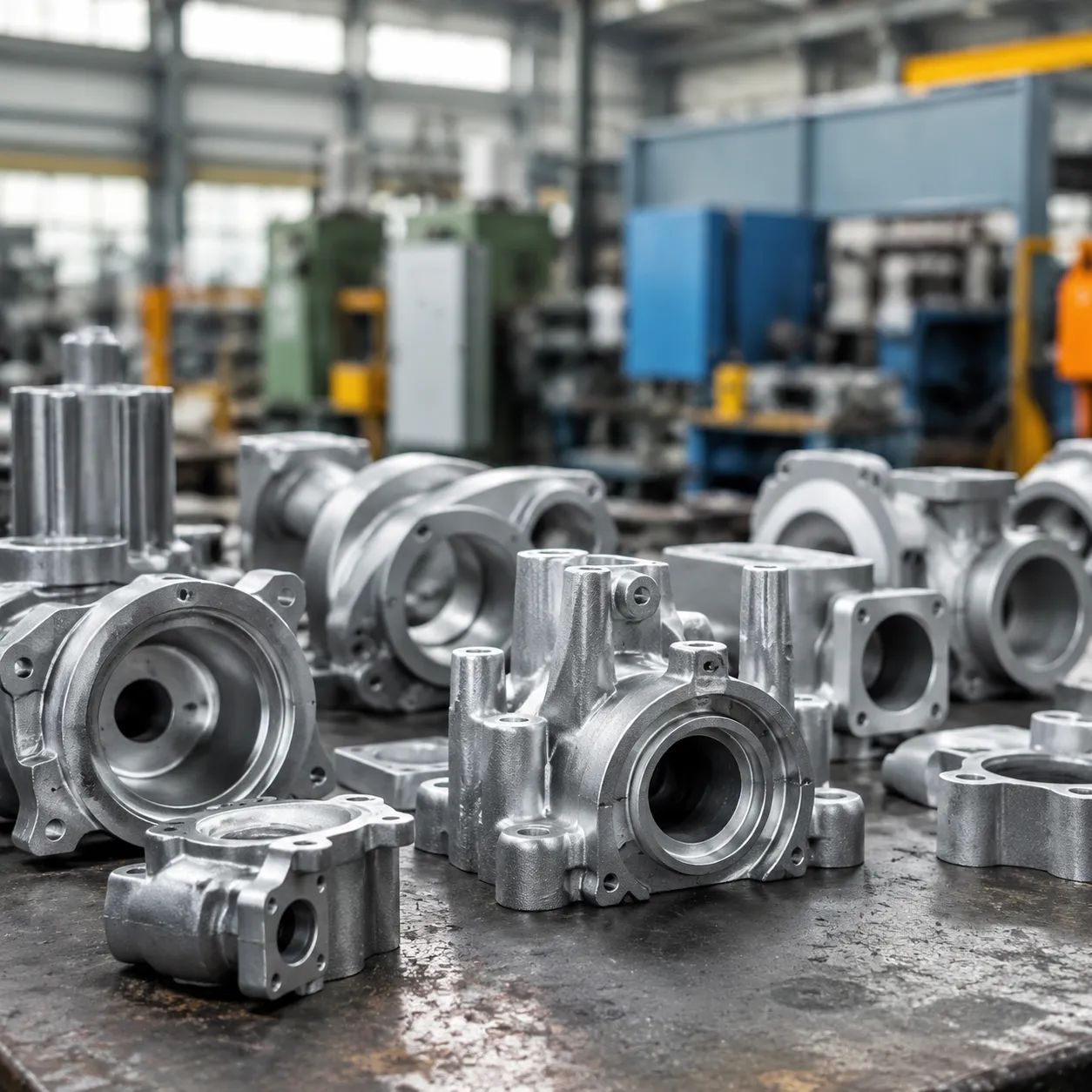
When engineering complex hardware, balancing strength, weight, and production speed is vital. We rely on aluminum investment casting to solve key manufacturing pain points where standard machining or alternative casting methods fall short.
Tight Dimensional Tolerances and Smooth Surface Finish
We achieve tight aluminum casting tolerances—typically ±0.003 to ±0.005 inches per inch—directly out of the mold. Our process yields an exceptional aluminum casting surface roughness of 125 RMS or better, drastically reducing the need for post-cast grinding or polished finishes. Review our guide on metal investment casting process tolerances and materials to see how these tight tolerances keep your final dimensions exact.
Complex Thin-Wall Geometry Without Secondary Machining
We cast intricate internal channels, undercuts, and fine thin wall aluminum casting profiles down to 0.060 inches (1.5 mm). Because the ceramic shell mold captures every detail of the original wax pattern, you get complex internal geometries in a single pour—completely eliminating multi-axis CNC machining steps.
Exceptional Strength-to-Weight Ratio for Lightweighting
Cast aluminum delivers high structural integrity without adding mass. By optimizing wall thicknesses and casting complex shapes into single consolidated components, we produce lightweight aerospace castings and heavy-duty structural brackets that handle extreme mechanical stress while cutting overall assembly weight.
Reduced Material Waste and Lower Long-Run Production Costs
Investment casting is a near-net-shape process that protects your bottom line over extended production runs:
- Minimal Metal Waste: You buy only the alloy that ends up in the final part, cutting down on expensive scrap material.
- Durable Tooling: Aluminum wax-injection dies withstand thousands of cycles with minimal wear.
- Overall Savings: As detailed in our die casting vs investment casting cost and material guide, skipping secondary machining and assembly labor makes investment casting significantly cheaper per unit for medium-to-high volume runs.
Key Applications Across Industries
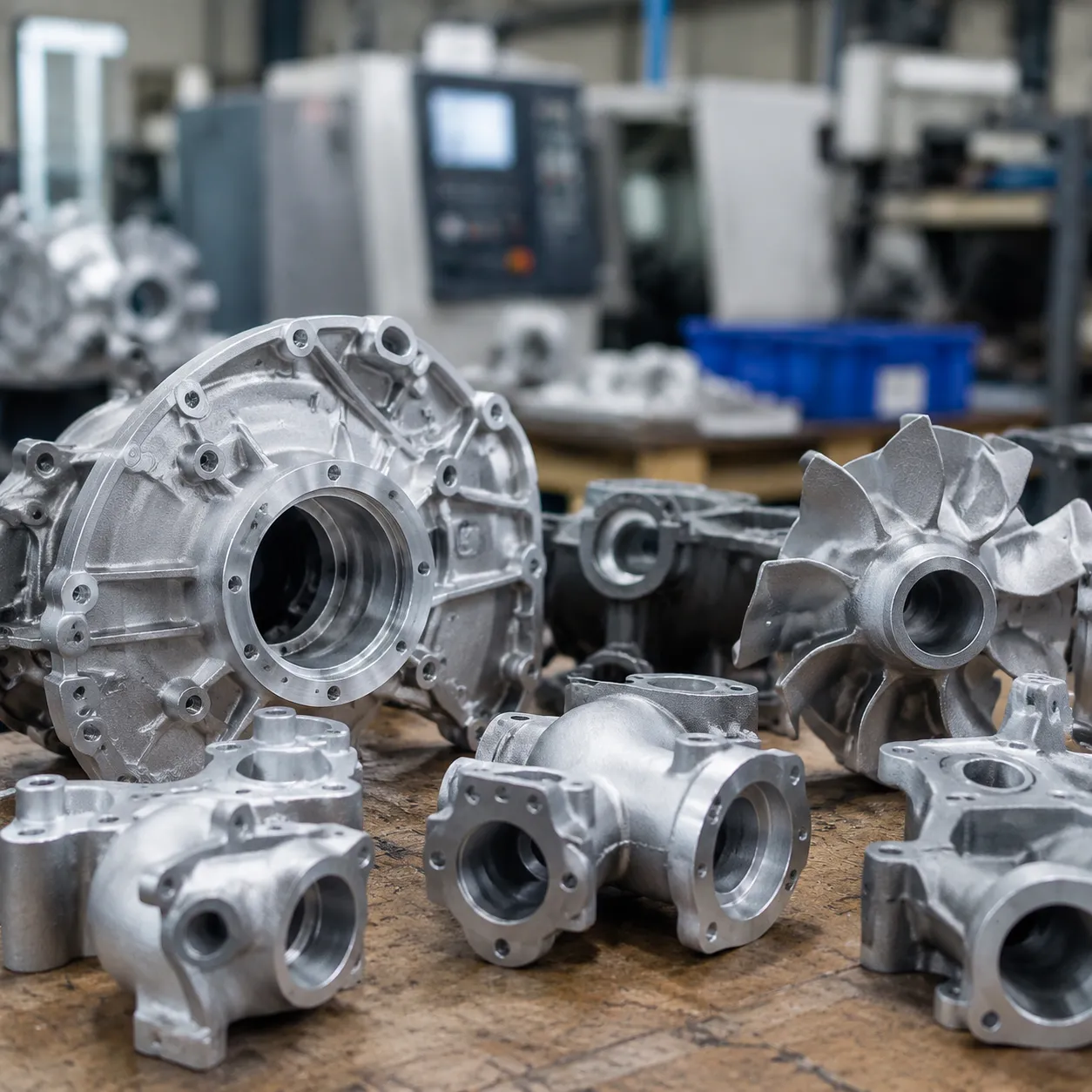
Engineers and buyers come to us when they need complex shapes, tight tolerances, and maximum weight savings without compromising structural integrity. We deliver aluminum investment casting solutions tailored to demanding high-performance environments across critical global industries.
Aerospace and Defense Structural Components
When every gram counts, lightweight aerospace castings are essential for reducing fuel consumption and increasing payload capacity. We produce critical components designed to withstand severe thermal shock and stress: Flight control hardware and hinge brackets Environmental control system (ECS) valve bodies Avionics chassis and radar mounting frames
For early-stage engineering validation, we leverage rapid metal casting to turn prototype concepts into flight-ready aluminum parts fast.
Automotive Engine, Bracket, and Powertrain Parts
Automotive OEM and performance engineering teams rely on investment casting aluminum to replace heavy iron and steel assemblies. We manufacture high-strength, pressure-tight parts that endure continuous vibration: Engine intake manifolds and turbocompressor housings Suspension mounts and structural control arms Electric vehicle (EV) motor housings and powertrain brackets
While lower-spec bulk components sometimes utilize basic custom metal parts, investment casting provides the superior surface finish and tight tolerances required for high-stress powertrain applications.
Medical Device Housings and Surgical Instruments
Medical equipment demands lightweight, ergonomic structures with smooth surface finishes right out of the mold. Our precision processes produce intricate components that simplify sterilization and assembly: Surgical robot articulation joints and mounting arms Portable diagnostic equipment chassis and frames Sterilization-tray handles and non-magnetic device enclosures
Electronics Heat Sinks and Protective Enclosures
Modern high-density power electronics require effective heat dissipation paired with electromagnetic shielding. Using specialized thin wall aluminum casting, we integrate detailed cooling geometries directly into the component shell: Pin-fin heat sinks for high-power LED and laser systems Sealed outdoor telecom transmitter enclosures Ruggedized military electronics chassis and junction boxes
Design Guidelines for Cast Aluminum Components
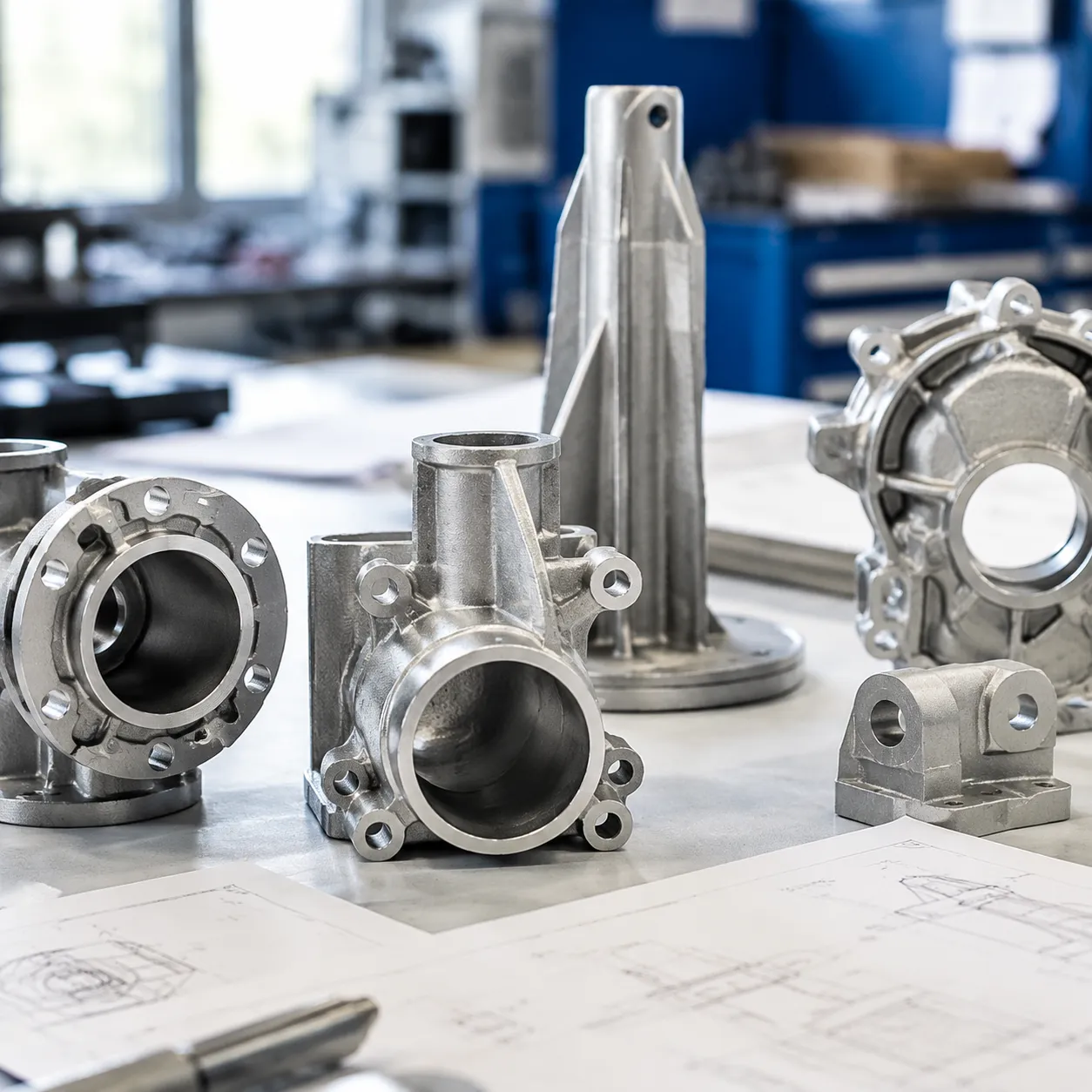
Designing parts for aluminum investment casting offers unmatched geometric freedom, but optimizing your design upfront is what keeps scrap rates near zero and holds tight aluminum casting tolerances. We work closely with engineering teams during early design stages to refine part geometries for the ceramic shell mold casting process before cutting any wax injection tooling.
Optimizing Uniform Wall Thickness and Blend Radii
Uneven wall thickness causes non-uniform cooling rates, internal stress, and warping. Maintaining consistent cross-sections ensures smooth metal flow and reliable structural integrity.
- Target Uniformity: Keep nominal wall thickness uniform across the component. We routinely achieve thin wall aluminum casting down to 0.060 in (1.5 mm) on small sections.
- Gradual Transitions: Taper walls at a 3:1 ratio when transitioning between thick and thin sections rather than using abrupt step-downs.
- Blend Radii: Eliminate sharp internal corners. Smooth transitions distribute mechanical stress evenly and stop hot spots from forming during solidification.
Draft Angles and Fillet Placement
While lost wax aluminum casting requires far less draft than die casting, incorporating minor draft angles protects wax patterns during pattern ejection. Understanding the broader capabilities and trade-offs explained in our guide on the advantages and disadvantages of lost wax casting helps engineers design features that minimize post-cast machining.
- Draft Angles: Add a 0.5° to 1° draft angle on deep vertical ribs and internal core pins to allow clean pattern removal from wax tooling.
- Fillet Placement: Use fillets at every wall intersection. A standard fillet radius equal to the local wall thickness prevents stress risers and mold erosion.
Preventing Shrinkage Porosity and Hot Tears
Cast aluminum alloys shrink as they freeze. Without proper thermal management in the mold, this volumetric contraction causes internal voids or micro-cracks called hot tears.
- Directional Solidification: Route wall thicknesses so freezing progresses naturally from thin outer sections toward heavier, gate-fed regions.
- Coring Out Heavy Masses: Hollow out thick bosses and heavy junctions to prevent localized heat sinks that freeze last.
- Staggered Joints: Stagger T-junctions into Y- or offset configurations to avoid high-stress hotspots susceptible to tear defects.
Frequently Asked Questions About Aluminum Investment Casting
Achievable Surface Finish for Cast Aluminum
We consistently achieve an standard surface roughness of 63 to 125 µin Ra (1.6 to 3.2 µm Ra) straight out of the shell mold. Because lost wax aluminum casting utilizes fine ceramic slurries, the final finish is noticeably smoother than sand casting, drastically reducing or eliminating secondary polishing.
Investment Casting vs CNC Machining Costs
For small, simple prototype batches, CNC machining might have lower upfront tooling fees. However, as component complexity increases or batch sizes grow, aluminum investment casting becomes significantly cheaper. By forming near-net-shape parts directly, we eliminate material waste and cut down machining time. You can leverage our precision investment casting services for custom parts to cut unit costs on complex geometries.
Heat Treatment and Weldability of Cast Parts
Yes, cast components handle post-processing exceptionally well: Heat Treatment: Premium materials like our A356 aluminum casting alloy readily undergo T6 heat treatment (solution heat treating, quenching, and aging) to maximize structural strength and hardness. Weldability: Low porosity levels allow our investment cast aluminum parts to be welded using standard TIG or MIG methods without risking structural cracks.
Minimum Wall Thickness Limits
Our general design baseline for wall thickness is 0.060 in (1.5 mm). For small, localized features, our thin wall aluminum casting capabilities allow us to cast walls down to 0.040 in (1.0 mm) depending on part geometry and alloy flow characteristics.
 English
  Russian
  German