
2026年11月2日
Discover reliable dental casting equipment for precise efficient laboratory casting and dependable professional results
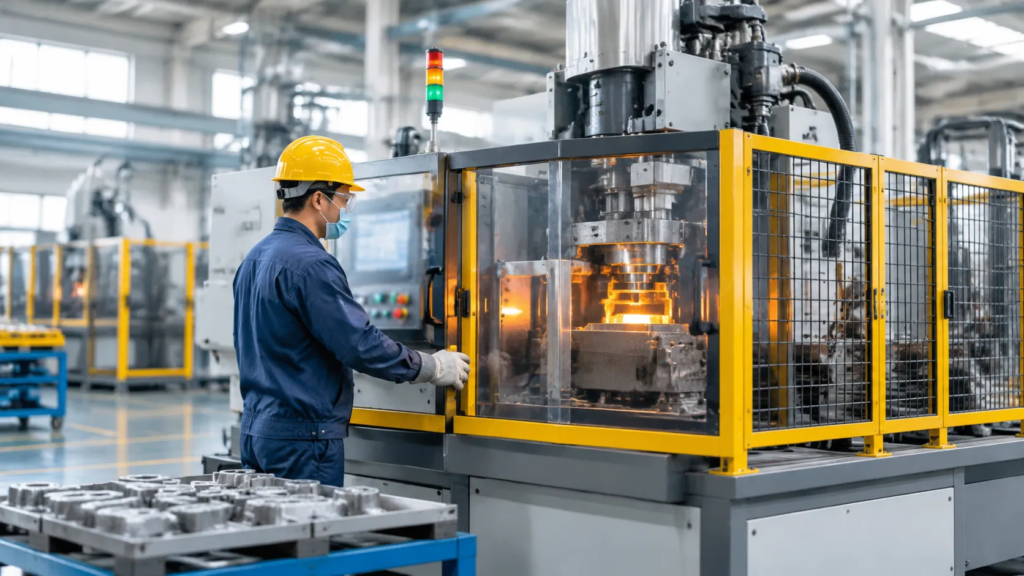
Dental Casting Equipment Overview
Role of Casting Machines in Modern Dental Laboratories
In contemporary restorative dentistry, high-precision dental casting equipment remains the backbone of durable, custom-fit metallic prosthetics. While digital scanning, milling, and 3D printing have revolutionized lab workflows, alloy casting remains irreplaceable for complex frameworks, load-bearing substructures, and cost-effective crown and bridge solutions.
Our dental laboratory casting machine systems ensure that digitized wax or 3D-printed resin patterns translate into dense, metallurgically sound restorations. By maintaining absolute control over the thermal cycle and mold filling dynamics, our equipment eliminates common casting errors such as micro-porosity, incomplete margins, and surface oxidation.
Core Melting and Casting Mechanisms
Achieving structural density and fine detail requires rapid heating coupled with decisive filling pressure. Our dental alloy casting machine technology utilizes advanced thermodynamic control to liquefy metals cleanly and drive them into the investment cavity before cooling begins.
- Induction Melting Systems: High-frequency induction coils generate rapid, uniform heat directly within the crucible, melting noble, semi-precious, and base metal alloys in seconds without flame contamination.
- Controlled Vacuum Evacuation: Degassing the melting chamber removes ambient air, suppressing the formation of oxides and gas inclusions during the heating cycle.
- Pressure-Assisted and Centrifugal Injection: Depending on configuration, molds are filled via controlled centrifugal acceleration or top-down vacuum-pressure injection. This forces the liquid metal into narrow margins down to tenths of a millimeter with zero miscasts.
Benchtop vs. Standalone Floor Configurations
We configure dental lab casting equipment into two physical formats to accommodate diverse facility layouts and production targets:
- Benchtop Units: Engineered for mid-sized laboratories and specialized crown-and-bridge departments. These units offer a compact footprint, integrated cooling options, and direct compatibility with standard workbench depths, all while delivering full-range induction melting power.
- Standalone Floor Models: Designed for high-volume commercial production centers running continuous casting cycles. These heavy-duty platforms incorporate reinforced structural frames, oversized internal closed-loop chillers, high-output vacuum pumps, and heavy-gauge power infrastructure for round-the-clock throughput.
Target Lab Operating Environments and Workflow Integration
Our vacuum pressure dental casting machine systems integrate seamlessly into standardized digital and traditional dental fabrication chains:
- CAD/CAM Workflow Synergy: Optimally balanced to burn out and cast modern photopolymer resin patterns and milled wax copings without cracking the investment material.
- Furnace Synchronization: Designed for rapid, ergonomic transfer of investment rings directly from preheating burnout furnaces into the casting chamber, minimizing mold heat loss.
- Safe Facility Operation: Fully sealed chambers, automatic interlocks, and low exterior heat radiation protect technicians, stabilize laboratory ambient temperatures, and streamline daily production schedules.
Key Features and Operational Benefits of Dental Casting Equipment
Our dental casting equipment is engineered to eliminate casting defects, cut cycle times, and deliver predictable metal density for dental labs of all sizes.
High-Frequency Induction vs. Resistance Heating
We utilize high-frequency induction heating across our systems rather than conventional resistance coils. Induction provides instant, concentrated electromagnetic energy directly into the alloy, bringing both base and precious metals to pouring temperature in seconds.
| Heating Method | Melting Speed | Thermal Control | Oxidation Risk |
|---|---|---|---|
| High-Frequency Induction | Extremely fast (30–60 seconds) | Instantaneous power modulation | Minimal (fast melt limits exposure) |
| Resistance Heating | Slow (several minutes) | Significant thermal lag | Higher (prolonged heating exposure) |
Automated Cycles and Programmable Digital Controls
Our microprocessors take the guesswork out of alloy melting. You can store custom presets for distinct alloys, standardizing the heating curve, dwell time, and injection pressure.
- One-touch execution: Technicians select the stored profile and start the cycle, removing operator variability.
- Repeatable density: Automated timing ensures identical results whether casting single copings or multi-unit frameworks.
- Real-time monitoring: Optical sensors continuously track melt conditions to prevent alloy overheating and element burnoff.
Integrated Vacuum and Pressure Injection Capabilities
Porosity ruins delicate margins. Our systems combine a strong pre-evacuation vacuum with high-pressure injection to fill every detail of the investment mold. Evacuating the chamber removes trapped air, and the immediate application of positive gas pressure drives the molten metal into the thinnest margins. Following a standard casting process guide with pressure-assisted filling prevents voids and drastically reduces remakes.
Crucible Capacity and Continuous Batch Processing
We build our melting chambers to handle varied laboratory workloads:
- Flexible volume: Accommodates small precious-metal buttons up to large base-metal charges required for full-arch partial dentures.
- Continuous throughput: The power electronics support back-to-back melts without requiring cool-down delays between rings.
- Universal crucible compatibility: Accepts ceramic, graphite, and coated crucibles tailored to specific alloy chemistries.
Built-In Safety Interlocks and Closed-Loop Cooling
Operator safety and hardware longevity are built into every unit:
- Dual safety interlocks: Pneumatic and electronic chamber locks prevent cycle initiation or chamber opening while under pressure or active induction power.
- Internal closed-loop cooling: Integrated water chillers circulate coolant directly through the induction coils, maintaining safe operating temperatures without external water hookups or drain lines.
- Fault diagnostics: Automated sensors stop the cycle immediately if water flow, gas pressure, or chamber vacuum deviates from set thresholds.
Streamlined Maintenance and Quick-Clean Chambers
Laboratory dust and investment residues can shorten machine life if not managed. We design our chambers with smooth, accessible stainless steel surfaces:
- Debris containment: Excess flux and spatter drop into accessible catchment areas for simple vacuuming.
- Fast seal replacements: High-temperature chamber gaskets swap out in minutes without specialized tools.
- Protected optics: Optical sensors feature protective quartz shielding to stay clear of metallic vapors during high-volume production.
Technical Specifications of Our Dental Casting Equipment
We engineer our dental casting equipment to meet the strict dimensional, thermal, and metallurgical tolerances required by busy production laboratories. Below are the standard operational parameters and hardware specifications across our casting systems.
Core Engineering Specifications
| Parameter | Standard Benchtop Spec | High-Capacity Lab Spec |
|---|---|---|
| Crucible Alloy Melting Capacity | 30g – 60g (precious & base) | 80g – 120g (Co-Cr, Ni-Cr, Noble) |
| Max Operating Temperature | 1,750°C (3,182°F) | 2,000°C (3,632°F) |
| Heating Speed | 45–60 seconds to melt | 30–45 seconds to melt |
| Power Rating | 3.5 kW – 4.5 kW | 5.5 kW – 7.5 kW |
| Input Voltage / Phase | 220V–240V AC, 50/60 Hz, Single Phase | 380V–415V AC, 50/60 Hz, 3-Phase |
| Ultimate Vacuum Level | -0.09 MPa to -0.098 MPa (≤ 20 mbar) | ≤ 10 mbar absolute vacuum |
| Injection Gas Pressure | 2.5 to 3.5 bar (Argon / Compressed Air) | 3.0 to 4.5 bar (Argon / Compressed Air) |
| Cooling Method | Integrated closed-loop water cooling | External industrial closed-loop chiller |
| Machine Footprint (W × D × H) | 620 × 580 × 520 mm | 780 × 720 × 1,150 mm |
| Total Equipment Weight | 68 kg (150 lbs) | 145 kg (320 lbs) |
Crucible Alloy Melting Capacity and Thermal Delivery
- Alloy Volume Flexibility: Our induction chambers accept standard crucible sizes handling batch weights from fine single-unit copings (15g) up to heavy multi-unit frameworks (up to 120g).
- Heating Speed and Thermal Limits: High-frequency induction coils generate instant, uniform eddy currents, liquefying high-fusion cobalt-chromium and nickel-chromium alloys within seconds while maintaining tight thermal boundaries to protect delicate alloy compositions. Technicians handling diverse formulas can review our casting alloy properties and material selection guide to align liquidus temperatures with melt profiles.
Power, Atmosphere, and Vacuum Parameters
- Electrical Infrastructure: Designed for quick facility integration, our systems operate on standard 220V single-phase lines for smaller footprint models or dedicated 3-phase industrial feeds for continuous casting duty.
- Vacuum and Pressure Thresholds: Dual-stage evacuation removes atmospheric oxygen before heating commences to curb oxide layer formation. Automated inert gas backfill (argon) coupled with pneumatic top-pressure forces molten metal into the finest investment margins, virtually eliminating porosity.
Footprint, Ergonomics, and Standard Accessories
Every unit is engineered to fit into existing lab bench rows without structural modifications, featuring vibration-isolated chassis designs and balanced safety lids.
Each dental casting machine package ships complete with: High-density ceramic crucibles and graphite inserts (pre-fitted for base and precious alloys) Universal casting ring cradles (compatible with sizes 1X through 9X) Precision crucible handling tongs and safety load tools High-temperature fluoroelastomer chamber sealing gaskets (full spare set) Pneumatic connection kit with quick-fit gas and vacuum connectors Digital calibration kit and maintenance instruction manual
Dental Casting Equipment Workflow and Standard Procedures

A consistent, repeatable workflow is essential for eliminating porosity, preserving fine margins, and controlling metal loss. We configure our dental casting equipment to automate critical timing variables while giving technicians complete oversight during the melt.
1. Burnout Ring Preheating and Crucible Positioning
Achieving a solid cast begins before the metal even melts: Thermal Synchronization: Bring the investment ring to its target soaking temperature in the burnout furnace to eliminate wax residues and expand the mold. Rapid Transfer: Seat the hot investment ring firmly into the cradle of the dental casting machine within seconds to prevent thermal shock and mold cooling. Crucible Alignment: Position the matched graphite, ceramic, or zirconia crucible directly inline with the mold sprue to guarantee an unobstructed flow path.
2. Alloy Loading and Optical Temperature Monitoring
Precise temperature management prevents alloy element burn-off and surface oxidation: Ingot Placement: Load weighed alloy ingots directly into the crucible without overpacking. Infrared Tracking: Our systems utilize integrated optical pyrometers that continuously read the molten pool’s liquidus state in real time. Eliminating Guesswork: Instead of relying on visual torch inspection, digital temperature readouts ensure the cast triggers at the exact melting point recommended by the alloy manufacturer.
3. Atmosphere Evacuation, Melt Cycle, and Mold Injection
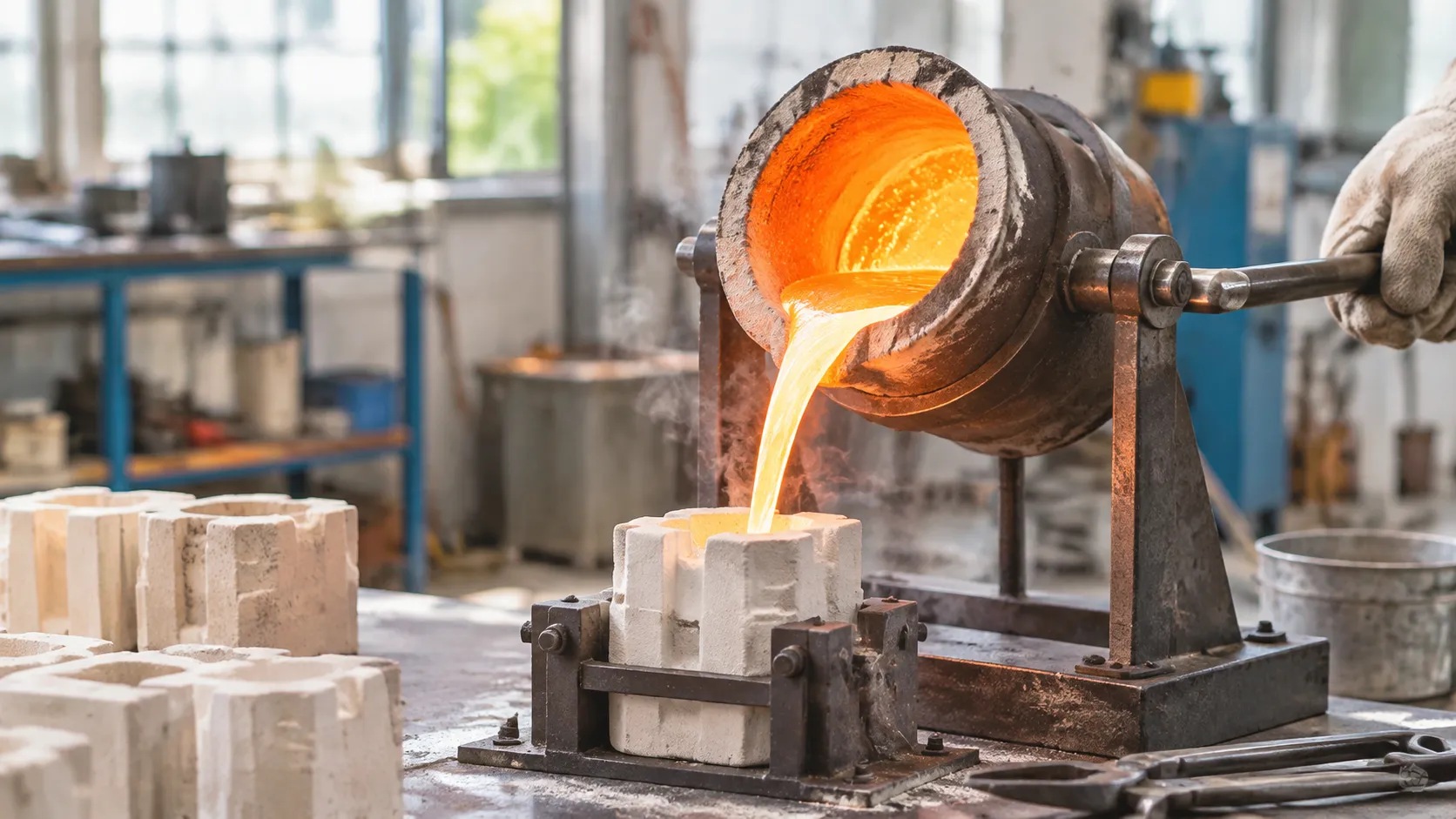
Controlling the chamber environment guarantees metallurgical density: Vacuum Pull: Once the chamber seals, high-efficiency vacuum pumps evacuate ambient oxygen to eliminate porosity and oxidation risks. Rapid Induction Melt: High-frequency induction coils melt base metals, noble alloys, or titanium within seconds under uniform electromagnetic stirring. Pressure Injection: The machine immediately flips or seals to drive molten metal into the mold under positive pressure, meeting strict casting quality standards for reliable metal parts and capturing the sharpest restorative margins.
4. Post-Cast Cooling, Divesting, and Oxide Cleanup
Standardizing the cooldown phase preserves the physical properties of the restoration: Bench Cooling: Allow the casting ring to cool according to the alloy’s specific cooling curve to avoid micro-cracks or distortion in long-span frameworks. Pneumatic Divesting: Use standard pneumatic devesting chisels and air-abrasion units to free the metal casting from the investment material safely. Surface Cleanup: A quick blast with aluminum oxide abrasive media strips remaining investment, leaving a clean, dense casting ready for sprue cutting, seating, and final finishing.
Compatible Dental Alloys and Lab Consumables
We build our dental casting equipment to process the full range of restorative alloys without cross-contamination, gas pickup, or metal loss. Whether your lab runs high-volume base metal frameworks or delicate noble restorations, matching the right alloy with the correct crucible and investment is essential for clean, margin-perfect margins.
Base Metal Alloys: Cobalt-Chromium (Co-Cr) and Nickel-Chromium (Ni-Cr)
Co-Cr and Ni-Cr alloys require high thermal output and fast melting cycles to prevent alloy segregation.
- Melting Range: 1,300°C to 1,450°C (2,372°F to 2,642°F).
- Crucible Selection: Carbon-free ceramic or stabilized zirconia crucibles. Never use graphite crucibles with base metals, as carbon pickup embrittles the alloy and ruins porcelain bonding.
- Atmospheric Control: Argon shielding or quick-melt vacuum pulls minimize surface dross and preserve active bond-promoting trace elements.
Precious and Noble Metals: Gold, Platinum, and Palladium
Noble metals demand tight temperature control to prevent the vaporization of lower-melting constituents such as zinc or indium.
- Melting Range: 900°C to 1,150°C for gold alloys; up to 1,550°C for high-palladium and platinum formulations.
- Crucible Selection: High-density graphite or graphite-lined ceramic crucibles. The graphite provides a reducing environment that prevents precious metal oxidation.
- Flux Application: Minimal borax-based flux during melting helps dissolve surface oxides without damaging the crucible lining.
Specialized Titanium Casting Parameters
Titanium's high chemical reactivity at elevated temperatures makes it prone to rapid oxygen contamination and alpha-case embrittlement.
- Melt Chamber Environment: Deep-vacuum evacuation followed by high-purity argon (grade 5.0 or better) backfill before melting.
- Crucible Specs: Contamination-free copper cold-hearth or specialized yttria/zirconia liners designed specifically for reactive metals.
- Cycle Dynamics: Instantaneous pressure injection ensures the molten titanium fills thin margins before surface chilling occurs.
Crucible Liners, Flux Usage, and Investment Compatibility
Successful laboratory yields rely on pairing the proper consumable package with precision investment casting principles:
| Alloy System | Melting Temperature | Recommended Crucible | Investment Material | Flux Compatibility |
|---|---|---|---|---|
| Co-Cr Frameworks | 1,350°C – 1,450°C | Sintered Zirconia / Ceramic | Phosphate-bonded (high-heat) | No flux recommended |
| Ni-Cr Crown & Bridge | 1,280°C – 1,380°C | Mullite / High-Alumina | Phosphate-bonded | Neutral casting flux (minimal) |
| High-Gold Noble | 950°C – 1,100°C | Dense Isostatic Graphite | Gypsum-bonded or Phosphate | Reducing / Borax flux |
| Palladium / Platinum | 1,380°C – 1,550°C | High-Purity Ceramic | Phosphate-bonded (carbon-free) | Specialized noble flux |
| Pure Titanium (Gr. 2/4) | 1,660°C – 1,720°C | Specialized inert oxide / copper | Magnesia / Alumina-based | Zero flux (vacuum/inert only) |
- Investment Molds: Use rapid-fire or standard phosphate-bonded investments for high-temperature base metals. Gypsum investments remain reserved strictly for low-fusing noble gold alloys to prevent sulfur gas contamination at temperatures above 1,000°C.
- Crucible Maintenance: Inspect crucibles before every melt. Discard liners showing glaze degradation, micro-cracks, or slag accumulation to eliminate the risk of inclusion defects in your final restorations.
Versatile Restorative Applications for Dental Casting Equipment
Our dental casting equipment provides the high-level precision required for a wide range of complex dental restorations. We understand that consistent quality is non-negotiable for modern dental laboratories, which is why our casting systems are engineered to handle diverse restorative tasks with efficiency and reliability.
Key restorative applications supported by our dental lab casting equipment include:
- Crowns and Bridges: Achieve high-density casting for single-unit crowns and multi-unit bridgework, ensuring superior marginal integrity and long-term structural stability.
- Removable Partial Dentures (RPD): Ensure consistent results for complex RPD frameworks and tension-holding clasps using a variety of base metal alloys.
- Implant Prosthetics: Produce accurate implant copings, precise substructures, and custom abutments that meet the demanding tolerance requirements of modern implant dentistry.
- Inlays and Onlays: Rely on exceptional surface finish and fine detail reproduction for precise inlays and onlays.
- Orthodontic Appliances: Utilize the stability of our casting processes for specialized orthodontic metal components.
By utilizing high-frequency or vacuum pressure dental casting machines, technicians can guarantee bubble-free results and optimal alloy flow, even when working with the most intricate anatomical designs. Our systems provide the control necessary to manage shrinkage and porosity, ensuring every unit produced meets the exact fit required for clinical success.
Choosing the Right Dental Casting Machine
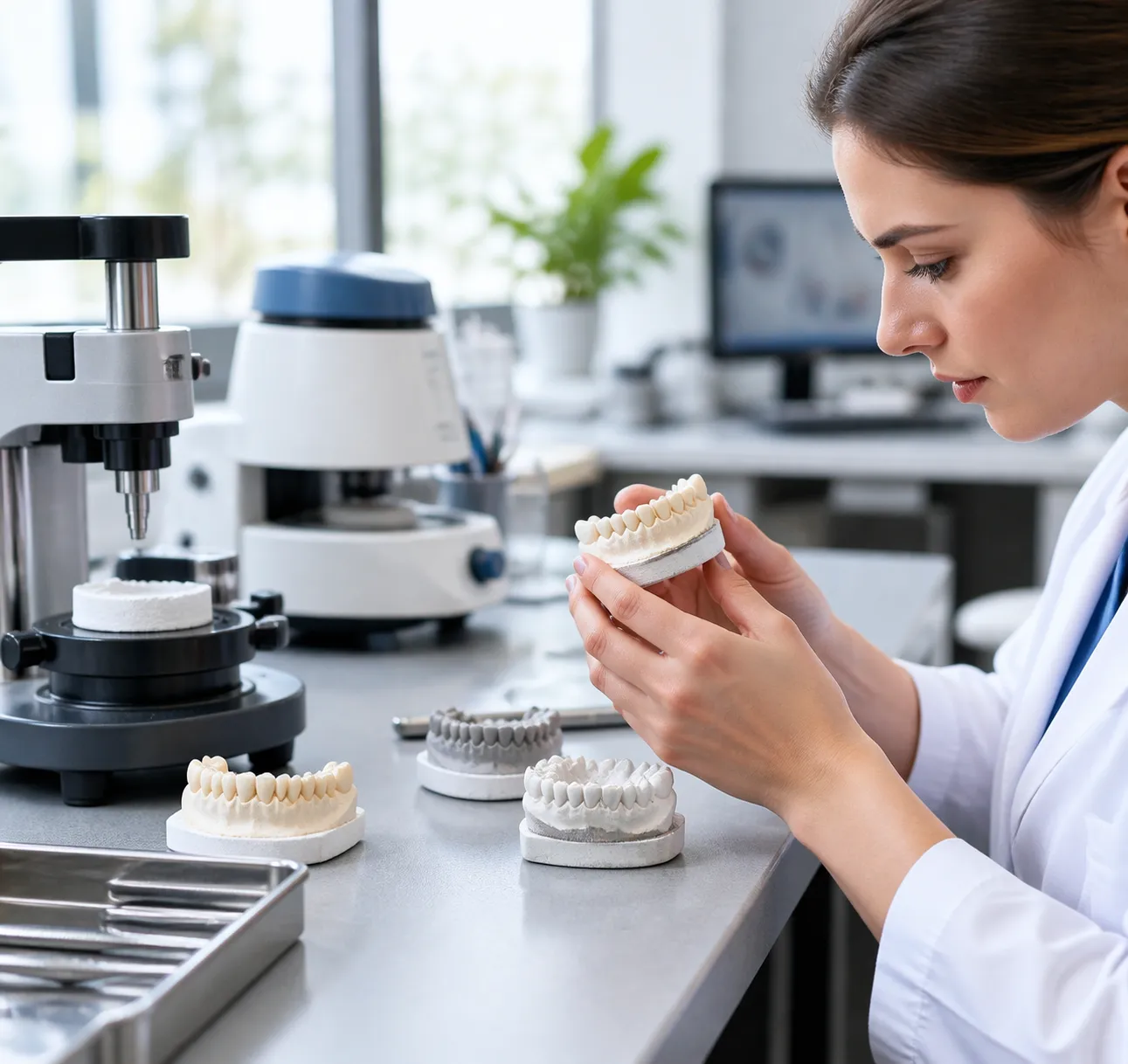
Selecting the right dental casting equipment comes down to matching your daily ring output, alloy selection, and physical facility layout. We help laboratories pinpoint the exact system configuration needed to eliminate casting porosity and streamline production costs.
Balancing Daily Production Volume Against Machine Throughput
Your daily workflow dictates the duty cycle and speed required from your dental laboratory casting machine: Low-to-Medium Volume Labs (1–8 rings/day): Compact benchtop units with fast heating cycles provide immediate turnaround without high idle energy costs. High-Volume Production Centers (10+ rings/day): Require high-frequency induction units built for continuous back-to-back runs, rapid chamber venting, and minimal cool-down delays between cycles. Labs scaling up pattern preparation often pair their workflow with a wax injection machine for investment casting to ensure flask preparation matches machine throughput.
Evaluating Vacuum-Pressure Injection vs. Centrifugal Casting
Choosing between these two core melting and injection methods directly impacts your finish quality and scrap rate:
| Feature | Vacuum Pressure Dental Casting Machine | Centrifugal Dental Casting Machine |
|---|---|---|
| Metal Filling Mechanism | Vacuum pull combined with positive gas pressure injection | Centrifugal rotational force |
| Oxidation Protection | Full vacuum chamber with inert gas (Argon) shielding | Exposed or semi-enclosed chamber options |
| Margin Detail | Exceptional fill on thin clasp tips and feather margins | Reliable on standard crown and bridge patterns |
| Turbulence & Porosity | Low turbulence laminar flow; dense microstructures | Higher mechanical turbulence; requires balanced sprue reservoirs |
Matching Machine Electrical Demands with Lab Facility Power
Power requirements vary significantly based on induction generator capacity: Standard Lab Power: Smaller induction casting systems typically utilize single-phase 208V–230V lines drawing 16A to 20A, integrating cleanly into standard lab benches. Heavy-Duty Industrial Units: High-capacity dental alloy casting machines require dedicated three-phase 380V–480V lines to support sustained 4 kW to 7 kW melting output without power dips. Pneumatic & Gas Utility: Verify your lab compressor delivers at least 6 bar (87 psi) of clean, dry air, along with standard high-purity argon hookups for inert atmosphere casting.
Assessing Operator Skill Curves and Automation Safety Levels
Manual torch melting and visual melt tracking depend heavily on individual technician experience, leading to inconsistent densities. Modern dental metal casting systems replace guesswork with micro-processor automation: One-Touch Presets: Pre-programmed thermal parameters for Co-Cr, Ni-Cr, and noble alloys guarantee identical heating curves regardless of shift changes. Optical Pyrometer Control: Contactless infrared monitoring trips casting injection at exact liquidus temperatures, preventing alloy boiling or cold shuts. Chamber Safety Interlocks: Pneumatic lid-locking pins and water-flow sensors prevent induction start-up until all safety seals are verified, protecting your team throughout high-heat cycles.
Dental Casting Equipment Model Options and Packages
We configure our dental casting equipment packages to match your laboratory’s daily output, bench space, and alloy requirements. Whether you run a specialized boutique studio or a high-volume commercial production center, our modular configurations ensure consistent, porosity-free melts.
Compact Induction Casting Units for Boutique Labs
Designed for crown and bridge specialists, our benchtop dental induction casting machine line delivers rapid melt cycles in a space-saving footprint.
- Best For: Inlays, onlays, single copings, and short-span bridgework.
- Footprint: Compact benchtop chassis engineered for standard laboratory counters.
- Melting Performance: Fast, clean induction heating tailored for precious, semi-precious, and small-batch base metal alloys.
- Operation: Intuitive push-button cycles with manual or semi-automated chamber evacuation.
High-Capacity Automatic Casting Systems for Production Centers
For commercial dental laboratories running continuous shifts, our heavy-duty vacuum pressure dental casting machine systems maximize yield and minimize cycle times. These units handle heavy cobalt-chromium (Co-Cr) and nickel-chromium (Ni-Cr) charges for multi-unit frameworks. Dental technicians rely on these systems alongside standardized investment casting procedures to capture fine margins and clasp details on large partial denture frameworks.
- Best For: Removable partial denture (RPD) frameworks, full-arch restorations, and implant bars.
- Automation: Fully programmable multi-stage vacuum, melt, and overpressure injection sequences.
- Capacity: Heavy crucible chambers designed for continuous, back-to-back melts without thermal drop.
Package Comparison
| System Configuration | Target Output | Alloy Compatibility | Heating / Injection Method | Footprint Type |
|---|---|---|---|---|
| Studio Compact | 1–15 casts/day | Precious, Semi-Precious, Light Base | High-Frequency Induction / Pressure | Benchtop |
| Lab Standard | 15–40 casts/day | Precious, Co-Cr, Ni-Cr | Induction / Vacuum-Pressure | Benchtop / Mobile Cart |
| Production Max | 40+ casts/day | All Dental Alloys (Base & Noble) | Automated Vacuum-Pressure Injection | Standalone Floor Unit |
Stand-Alone Closed-Loop Chillers and Auxiliary Vacuum Pumps
To maintain consistent throughput, we supply dedicated utility packages that eliminate external plumbing constraints:
- Closed-Loop Water Chillers: Maintain precise temperature control across induction coils and chamber gaskets, preventing overheating during back-to-back melts.
- Auxiliary High-Flow Vacuum Pumps: Rapidly evacuate the casting chamber below ambient thresholds, pulling air out of the investment ring prior to alloy release to eliminate micro-porosity.
Optional Optical Pyrometers and Inert Gas Regulators
Upgrade your dental casting machine setup with integrated process control hardware:
- Dual-Wave Optical Pyrometers: Deliver real-time, non-contact melt temperature readouts on the digital display, eliminating visual guessing and alloy overheating.
- Argon Shielding Regulators: Direct inert gas blankets across the crucible to prevent base metal oxidation, preserving alloy chemistry and clean surface finishes.
Pricing, Lead Times, and Requesting a Quote
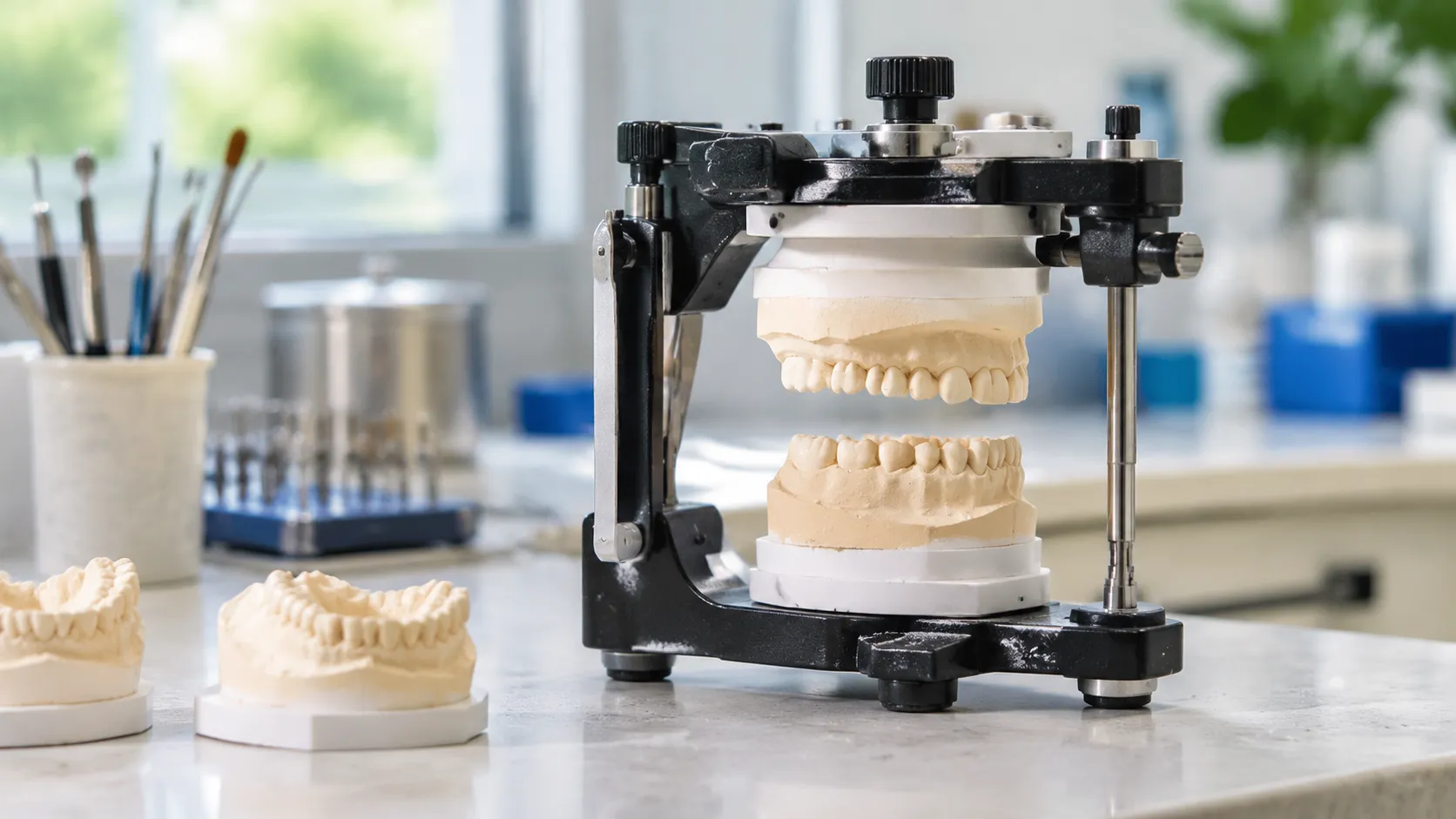
We supply professional dental laboratories and milling centers directly with high-performance dental casting equipment built to minimize metal loss and eliminate porosity. Because every lab operates under different power constraints and production volumes, our pricing structure is transparent and customized to your specific setup.
Key Pricing Variables for Lab-Grade Casting Machines
The final dental casting machine price depends primarily on your configuration choices and technical requirements:
- Melting Technology: Compact benchtop resistance units carry a lower capital investment, whereas high-frequency induction systems require a higher initial outlay balanced by rapid melt cycles and lower operating costs.
- Atmosphere & Injection Controls: Basic vacuum-assisted models are budget-friendly, while dual-stage vacuum plus argon pressure-over injection chambers involve more advanced pneumatic valves and control boards.
- Thermal Monitoring: Standard manual optical sighting is cost-effective, while integrated dual-color infrared pyrometers add precision automation for high-value noble alloys.
- Ancillary Equipment: Adding integrated closed-loop water chillers, auxiliary vacuum pumps, and specialized crucible packages will adjust the baseline equipment package cost.
Essential Details to Supply in a Request for Quotation (RFQ)
To ensure an accurate quote and proper equipment sizing from our engineering team, please include the following technical details in your RFQ:
- Primary Dental Alloys: State whether you process base metals (Co-Cr, Ni-Cr), noble gold alloys, or specialized reactive alloys. (For laboratory groups handling both benchtop prosthetic work and industrial-scale mold components, review our cast stainless steel casting services, grades, and RFQ guide to align technical specifications).
- Daily Production Volume: Expected number of casting rings per 8-hour shift.
- Facility Electrical Supply: Available voltage (e.g., 208V, 220V, 240V, 380V), phase configuration (single-phase or 3-phase), and dedicated circuit breaker amperage.
- Pneumatics & Gas Lines: Indicate whether your facility has existing compressed dry air (minimum 6 bar) and an argon gas hookup for inert casting atmospheres.
- Destination Port/Facility: City and postal code to calculate direct door-to-door freight or port delivery.
Estimated Production Lead Times and Export Packing
As a direct dental casting equipment supplier, we maintain strict quality-control protocols before dispatching any unit:
- Standard Lead Times: Standard configurations ship within 10 to 15 business days. Customized systems or units requiring specific electrical phase builds typically ship within 3 to 4 weeks.
- Factory Acceptance Testing: Every machine undergoes continuous test melts, vacuum seal verification, and pneumatic pressure decay tests prior to crating.
- Export-Grade Crating: Equipment is secured on shock-absorbing bases, sealed in vapor-barrier barrier foil with desiccant packs, and crated in heavy-duty, heat-treated ISPM-15 compliant plywood boxes suitable for international air or ocean freight.
- Shipping Options: We handle international logistics via air freight (3–7 days transit) for urgent replacements or ocean freight (20–35 days transit) for standard delivery, fully insured under standard international carriage.
Payment Milestones, Trade Terms, and Multi-Unit Discounts
- Commercial Trade Terms: Standard quotations are issued under EXW, FOB, CIF, or DDP terms based on your customs clearance preferences.
- Payment Schedules: Standard orders follow a 30% advance deposit upon purchase order confirmation to initiate production and factory allocation, with the remaining 70% balance due following pre-shipment video inspection and testing sign-off.
- Multi-Unit & Laboratory Group Discounts: Tiered pricing incentives apply for centralized labs, dental school procurement programs, and dental laboratory chains ordering two or more units concurrently. Full consumable starter kits (graphite and ceramic crucibles, carbon rods, sealing rings) are bundled with all multi-unit orders.
Installation, Commissioning, and Ongoing Support for Dental Casting Equipment
We back every dental casting equipment installation with end-to-end technical support to guarantee your unit achieves peak melting precision and process repeatability straight out of the crate.
Site Preparation Guidelines and Utility Requirements
Before your dental laboratory casting machine arrives, we provide a pre-installation checklist to ensure your facility infrastructure is ready for immediate drop-in integration.
| Utility / Parameter | Standard Requirement | Technical Objective |
|---|---|---|
| Electrical Supply | 220V–240V AC / 50–60 Hz (Single or 3-Phase) | Stable power feed to prevent induction heating drops |
| Pneumatic Supply | 6.0 – 8.0 bar (85 – 115 psi) dry, oil-free air | Fast, positive pressure injection during mold fill |
| Shielding Gas | High-purity Argon (99.99%) at 2.0 – 3.0 bar | Prevents metal oxidation in reactive alloys |
| Cooling Circuit | Integrated closed-loop chiller / 2–4 L/min flow | Protects induction coils and chamber seals |
| Exhaust & Air | Dedicated local benchtop exhaust venting | Evacuates stray flux residues and burnout vapors |
Careful utility setup ensures your dental casting machine delivers dense, porosity-free alloy structures while avoiding early component wear, reinforcing the established advantages and disadvantages of lost wax casting across daily laboratory workflows.
Onsite and Virtual Operator Training Protocols
We make sure your dental technicians hit production targets quickly through structured training modules:
- Machine Calibration: Balancing centrifugal arms or setting vacuum-pressure cycle parameters.
- Temperature Management: Optical pyrometer calibration for precise liquidus tracking across base and noble alloys.
- Chamber Hygiene: Proper alignment of investment rings, sealing gaskets, and ceramic crucibles.
- Safety Procedures: Training on emergency stop routines, chamber interlock overrides, and pressure relief triggers.
Virtual video onboarding is available for immediate setup, supplemented by dedicated onsite engineering commissioning for high-throughput labs.
Manufacturer Warranty Coverage and Service Contracts
- Standard Warranty: 12 to 24 months of comprehensive coverage covering induction generators, vacuum boards, pressure valves, and motor drives.
- Factory Service Plans: Scheduled annual inspections, circuit recalibrations, and priority turnaround on replacement modules.
- Direct Remote Support: Immediate remote diagnostic troubleshooting to check error codes and sensor readings without production downtime.
Preventive Maintenance Schedules and Consumable Replacement
Routine care extends the operational life of your dental lab casting equipment and keeps melt losses to a minimum:
- Daily: Inspect crucible holders, brush out loose investment powder, and wipe down vacuum chamber silicone seals.
- Weekly: Inspect water cooling levels, check pneumatic moisture traps, and clean optical temperature sensors.
- Monthly: Test pressure-vacuum decay rates to identify micro-leaks in sealing rings.
- Semi-Annually: Flush closed-loop coolant systems and inspect induction heating coil shielding.
We stock and dispatch standard consumables—including ceramic crucibles, graphite liners, viton sealing rings, and vacuum filter cartridges—for rapid dispatch to keep your casting lines running without interruption.
Frequently Asked Questions About Dental Casting Equipment
What is dental casting equipment used for?
We build dental casting equipment to melt dental alloys and inject them into prepared investment molds under strictly controlled conditions. Dental laboratories use our systems to manufacture high-density copings, multi-unit bridges, full crowns, removable partial denture (RPD) frameworks, and custom implant abutments with minimal porosity and tight margin fit.
What is the difference between centrifugal and vacuum-pressure casting?
Both mechanisms force molten metal into an investment mold, but their drive systems and porosity controls differ significantly:
| Feature | Centrifugal Dental Casting Machine | Vacuum Pressure Dental Casting Machine |
|---|---|---|
| Injection Method | Mechanical centrifugal arm rotation | Pneumatic pressure differential |
| Atmospheric Control | Torch-melt open air or partial vacuum | Full chamber vacuum plus inert gas shielding |
| Porosity Risk | Higher risk of turbulence and air inclusion | Minimal; fills fine margins cleanly under pressure |
| Alloy Compatibility | Co-Cr, Ni-Cr, high-gold alloys | Full spectrum: base, noble, and reactive alloys |
| Lab Footprint | Requires balance counterweights and clearance | Enclosed, compact benchtop or floor cabinet |
While traditional industrial foundries often weigh sand casting vs. investment casting for bulk components, dental laboratories rely exclusively on precision lost-wax investment molds paired with vacuum-pressure or centrifugal force to hit sub-millimeter tolerances.
Which dental alloys can be melted in this machine?
Our dental alloy casting machine handles both base and noble metals without cross-contamination: Base Metals: Cobalt-Chromium (Co-Cr) and Nickel-Chromium (Ni-Cr) frameworks and clasps. Precious & Noble Alloys: High-gold, gold-palladium, and silver-palladium restorative alloys. Specialty Metals: Specific configurations support inert-gas melting for titanium copings.
What power supply and ventilation do I need to install the unit?
Standard benchtop induction units require a 208–240V, 50/60 Hz single-phase or three-phase line depending on the melting power rating. Standalone units require: Electrical: Dedicated circuit (typically 16A to 32A). Air/Gas Supply: Clean, dry compressed air regulated to 6–8 bar (85–115 psi) or high-purity argon for inert gas casting. Ventilation: Direct exhaust venting or installation under a dedicated lab exhaust hood to extract burnout ring fumes. Cooling: An integrated or external closed-loop chiller line to protect induction coils.
How often should crucibles and seals be replaced?
Crucible life depends on alloy chemistry and melt temperature. Ceramic crucibles for high-melting-point base metals generally yield 20 to 35 melts before micro-cracking occurs. Graphite crucibles used for gold alloys last longer under reduction atmospheres. We recommend inspecting the chamber silicone door seals weekly and replacing them every 6 to 12 months to maintain strict vacuum integrity.
Does the equipment require special operator training?
Our high-frequency dental casting machine features programmable automated cycles, meaning operators only need basic orientation rather than years of manual torch-casting experience. We provide detailed operating manuals, standardized parameter sheets for common alloys, and direct remote technical onboarding for your technicians.
How can our laboratory request an official quote and technical spec sheet?
Contact our equipment technical sales team with your lab’s daily ring volume, primary alloy choices, and electrical supply specifications. We provide formal commercial quotations, comprehensive technical spec sheets, and shipping dimensions within one business day.
 English
 Russian
 German